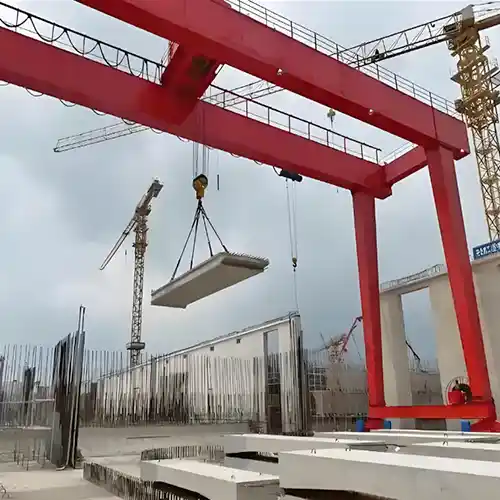
Rail Mounted Gantry Crane Applications for Long Materials
Learn how rail mounted gantry cranes handle aluminum profiles, lumber, steel sections, and pipes for safer storage, higher throughput, and efficient yard operations.
| Crane Type | Gantry Crane with rail travelling or rail mounted gantry crane design - Rail Mounted Gantry Crane (RMG) for long-material handling; typically double-girder for heavier loads ISO A3–A6 / FEM 1Am–3M 380/400/415V, 50Hz, 3Ph |
| Crane Capacity | Typically 5–50 ton; capacity selected according to material weight, bundle weight, lifting attachment dead weight, load length, and handling frequency. |
| Span Length | 10–35 m span; rail gauge and runway length customized according to the storage yard dimensions and material flow. |
| Lifting Height | 6–15 m; customized according to storage height, material stacking method, vehicle clearance, and required lifting path. |
| Coverage Area Type | Rail-defined rectangular coverage; long-material storage yards, steel sections yards, pipe yards, lumber storage areas, aluminum profile warehouses, fabrication zones, loading areas, and production lines. |
| Application | Handling aluminum profiles, lumber, timber bundles, steel sections, H-beams, I-beams, pipes, tubes, bars, structural steel, and other long or bundled materials in storage yards, fabrication plants, mills, warehouses, and logistics areas. |
| Certifications | CE / ISO / SGS / Other third-party inspection |
| Customization | Customized single- or double-girder structure, wire rope/chain hoist or open winch, electric trolley, hook, spreader beam, lifting tong, pipe clamp, bundle clamp, magnet, or other long-material lifting devices; optional VFD, positioning, anti-collision, a |
Crane Manufacturer: Yuantai Cranes – 30+ Years Professional Crane Manufacturer from China
Category: Featured
Tags: rmgcrane
Your Trusted Rail Mounted Gantry Crane Manufacturer & Supplier
Rail Mounted Gantry Crane Applications for Aluminum Profiles, Lumber, Steel Sections, and Pipes
Rail mounted gantry cranes are one of the most effective solutions for handling long materials in outdoor storage yards because they combine high lifting capacity, large coverage areas, safer stacking, efficient truck loading, and optimized storage density. Whether handling aluminum profiles, lumber bundles, structural steel, or pipe products, a properly designed RMG system can significantly improve productivity while reducing handling costs and safety risks.
Key Takeaways
- Rail mounted gantry cranes provide a single handling solution for multiple long-material industries.
- Long loads require specialized lifting, stacking, and storage methods due to their length and flexibility.
- RMG systems improve storage density by reducing aisle requirements and enabling higher stacking.
- Fixed rail travel improves positioning accuracy compared to forklifts and mobile equipment.
- Material damage can be reduced through controlled lifting and precise load placement.
- Well-designed crane yards improve truck turnaround times and inventory accessibility.
- Different materials require different lifting attachments and storage configurations.
- Automation and remote operation can further improve efficiency in high-volume yards.
FAQs Solved Here
Common questions about rail mounted gantry crane systems for long material handling across industrial storage yards.
Q: What industries commonly use rail mounted gantry crane for long material handling?
A: Rail mounted gantry crane systems are commonly used in aluminum extrusion plants, steel service centers, lumber yards, pipe storage facilities, and fabrication yards handling long materials.
- These industries regularly manage long loads such as steel beams, aluminum profiles, timber bundles, and pipe stacks that require structured outdoor yard handling systems.
- Facilities searching for "outdoor yard crane for long bundle storage" or "industrial crane for steel and pipe handling yard" typically adopt rail mounted gantry crane solutions.
Q: Why are rail mounted gantry crane systems suitable for aluminum profiles, lumber, steel sections, and pipes?
A: They are suitable because they provide stable, guided lifting and full-yard coverage for long and irregular materials that are difficult to handle with forklifts.
- Aluminum needs surface protection, lumber requires high-volume stacking, steel demands heavy lifting, and pipes require anti-rolling control during handling.
- Common search intent includes "best crane for long material yard handling" or "pipe and steel outdoor storage lifting system."
Q: How do rail mounted gantry crane systems improve outdoor storage yard efficiency?
A: They improve efficiency by enabling direct, controlled movement of materials between receiving, storage, and dispatch areas with fewer handling steps.
- Fixed rail movement reduces congestion and improves cycle time for repetitive loading and unloading operations.
- This aligns with queries like "how to improve steel yard efficiency" or "outdoor material storage handling system for long products."
Q: What are the differences between handling aluminum, timber, steel, and pipe products?
A: Each material requires different handling control due to differences in weight, surface sensitivity, shape stability, and deformation risk.
- Aluminum requires careful surface protection, timber focuses on volume stacking, steel requires high-capacity lifting, and pipes need stability against rolling.
- Typical search phrases include "safe handling of long steel beams," "pipe storage yard handling method," and "aluminum profile lifting system."
Q: How can storage density be increased using a rail mounted gantry crane?
A: Storage density can be increased by using vertical stacking, narrower aisle spacing, and full-span crane coverage across the yard.
- Rail mounted gantry crane systems reduce the need for wide forklift lanes, allowing tighter and more efficient storage layouts.
- This matches search intent such as "increase steel yard storage capacity" or "high density outdoor material storage solution."
Q: What crane capacity, span, and lift height should be considered?
A: These should be selected based on maximum load weight, full yard width coverage, and required stacking height including truck loading clearance.
- Capacity must match the heaviest bundles, span must cover all storage lanes, and lift height must support stacked inventory and loading operations.
- Common queries include "how to choose crane capacity for steel yard," "gantry crane span calculation," and "lifting height requirement for pipe storage yard."
Q: Which lifting attachments are best for different long materials?
A: The best lifting attachments depend on material type, including spreader beams for aluminum, C-hooks for steel, and pipe lifting beams for bundled pipes.
- Timber often uses sling or clamp systems, while aluminum extrusion benefits from vacuum or soft-contact lifting to prevent surface damage.
- Search intent often includes "lifting equipment for steel beams and pipes" or "safe aluminum profile lifting method."
Q: How can rail mounted gantry crane systems improve truck loading and unloading operations?
A: They improve truck operations by enabling direct transfer of long materials between storage areas and transport vehicles with precise positioning.
- This reduces forklift usage, shortens loading time, and improves overall shipment turnaround efficiency.
- Common searches include "faster truck loading system for steel yard" or "pipe loading crane solution outdoor yard."
Q: What yard layout principles maximize productivity and safety?
A: Productivity and safety are improved through structured storage lanes, defined traffic routes, dedicated loading zones, and clear separation between crane and pedestrian areas.
- A well-planned rail mounted gantry crane yard reduces congestion and ensures safe, predictable movement of long materials.
- Frequently searched terms include "steel yard layout design for crane system" and "safe outdoor storage yard planning for long materials."
Q: When should automation be considered for long material storage yards?
A: Automation should be considered when high throughput, repetitive handling cycles, or improved inventory accuracy is required in large outdoor storage operations.
- Semi-automatic or fully automated rail mounted gantry crane systems reduce labor dependency and improve consistency in material tracking and scheduling.
- Common search phrases include "automated crane system for steel yard" and "smart warehouse yard management for long materials."
Your Trusted Rail Mounted Gantry Crane Manufacturer & Supplier
Introduction to Long Material Handling with Rail Mounted Gantry Cranes
Handling long materials such as aluminum profiles, lumber, structural steel sections, pipes, and fabricated assemblies requires a different approach than handling pallets or packaged goods. The main challenge is often not the weight of the load but its length. Long products occupy more storage space, require larger lifting clearances, and can be difficult to access once stacked in the yard.
As production volumes increase, many facilities find that forklifts and mobile equipment become less efficient. Travel distances grow longer, storage lanes become congested, and loading operations take more time. This is where rail mounted gantry cranes provide a practical solution. By covering large outdoor storage areas and handling materials directly from storage to truck loading zones, an RMG crane can improve material flow while making better use of available yard space.
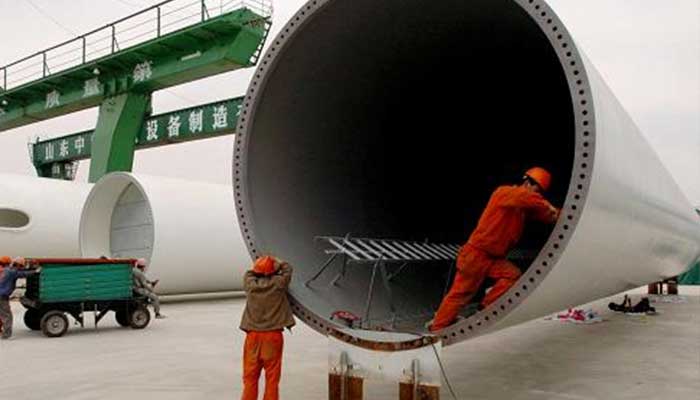
Growing Demand for Efficient Long Material Handling
Industries that handle long products are facing increasing pressure to move more materials, reduce operating costs, and maximize storage capacity. Rail mounted gantry cranes are becoming a preferred solution because they can support high-volume operations while maintaining organized storage yards.
Aluminum Extrusion Plants
Aluminum extrusion facilities produce profiles that commonly range from 6 to 15 meters in length, although longer sections are not uncommon.
Typical handling requirements include:
- Moving extrusion bundles from production lines to cooling and storage areas
- Organizing finished aluminum profiles by size, alloy, and customer order
- Handling lightweight but flexible products that can bend if improperly supported
- Protecting painted, anodized, or finished surfaces from scratches during lifting
- Loading profile bundles onto trucks and trailers for shipment
In many extrusion plants, the crane must handle both raw extrusion stock and finished products while maintaining product quality throughout the process.
Lumber Mills
Lumber yards and wood processing facilities often store thousands of cubic meters of timber products in outdoor environments.
Common materials include:
- Dimensional lumber
- Timber beams
- Engineered wood products
- Laminated timber
- Treated wood products
- Finished lumber bundles
Typical handling tasks include:
- Receiving timber from production lines
- Stacking lumber bundles in designated storage zones
- Retrieving specific products for customer orders
- Loading trucks for local distribution or export
- Managing seasonal inventory fluctuations
Because lumber yards often require large storage areas, efficient crane coverage can reduce the need for excessive forklift traffic.
Steel Service Centers
Steel service centers handle some of the heaviest and longest products found in industrial storage yards.
Common products include:
- H-beams
- I-beams
- Wide flange beams
- Channels
- Angles
- Structural tubing
- Hollow sections
- Flat bars and steel profiles
Typical operations include:
- Unloading incoming steel deliveries
- Organizing inventory by size and grade
- Retrieving stock for processing operations
- Supplying fabrication shops
- Loading outbound shipments
Many steel yards require high-capacity rail mounted gantry cranes capable of handling both individual members and bundled steel sections.
Pipe Manufacturing Facilities
Pipe storage yards often cover large outdoor areas and require efficient access to inventory.
Common products include:
- Carbon steel pipes
- Stainless steel pipes
- HDPE pipes
- Water transmission pipes
- Oil and gas pipeline products
- Large-diameter industrial pipes
Typical handling activities include:
- Storing pipe bundles after production
- Managing inventory across multiple storage lanes
- Loading export shipments
- Supporting coating and finishing operations
- Handling oversized pipe sections safely
Pipe handling requires careful load control because round products can shift or roll if improperly secured.
Fabrication and Assembly Yards
Fabrication yards often handle products that vary significantly in size, shape, and weight.
Examples include:
- Welded structures
- Industrial platforms
- Equipment frames
- Process modules
- Structural assemblies
- Custom project components
Common crane operations include:
- Moving materials between fabrication areas
- Staging completed assemblies
- Organizing project components
- Preparing products for transportation
- Loading oversized cargo onto trucks
The flexibility of a rail mounted gantry crane makes it suitable for facilities that handle changing product dimensions and project requirements.
Operational Challenges Driving Equipment Upgrades
As facilities grow, traditional handling methods often become less effective. Several operational challenges are driving investment in rail mounted gantry crane systems.
Higher Throughput Requirements
Many facilities are expected to process more material without increasing operating hours.
Common challenges include:
- More truck arrivals and departures each day
- Faster customer delivery schedules
- Increased inventory turnover
- Higher daily lifting cycles
- Reduced allowable loading times
- Greater pressure on storage yard operations
As throughput increases, handling efficiency becomes a critical factor in maintaining productivity.
Limited Yard Space
Expanding a storage yard is often expensive or simply not possible.
Many facilities are therefore looking to:
- Increase storage density within existing boundaries
- Store more material in the same footprint
- Reduce unused space between storage rows
- Improve accessibility without expanding the yard
- Create additional storage capacity through better layout design
Rail mounted gantry cranes help achieve these goals because they operate above the storage area rather than within it.
Labor Shortages
Labor availability continues to affect many industrial sectors.
Facilities often face:
- Difficulty recruiting skilled equipment operators
- Rising labor costs
- Increased training requirements
- High employee turnover
- Dependence on multiple forklift operators
By centralizing material handling operations, RMG systems can help reduce labor requirements while maintaining operational consistency.
Increased Safety Requirements
Safety remains one of the most important considerations in long material handling.
Common safety objectives include:
- Reducing pedestrian exposure to moving equipment
- Minimizing forklift traffic throughout the yard
- Improving load stability during lifting
- Reducing product damage incidents
- Creating controlled travel paths for heavy loads
- Improving visibility during material handling operations
For many companies, safety improvements alone can justify investment in a rail mounted gantry crane system.
What Is a Rail Mounted Gantry Crane?
A rail mounted or rail travelling gantry crane is a large outdoor lifting system that travels on fixed rails installed along the length of a storage yarThe crane spans across storage lanes and can access materials throughout its operating area without requiring additional transport equipment.
Because the crane follows a fixed travel path, operators can move long materials with greater accuracy and consistency than many mobile handling methods. Click to check typical type of u frame double girder rail mounted gantry crane for long , large loads handling such as, container handling, etc.
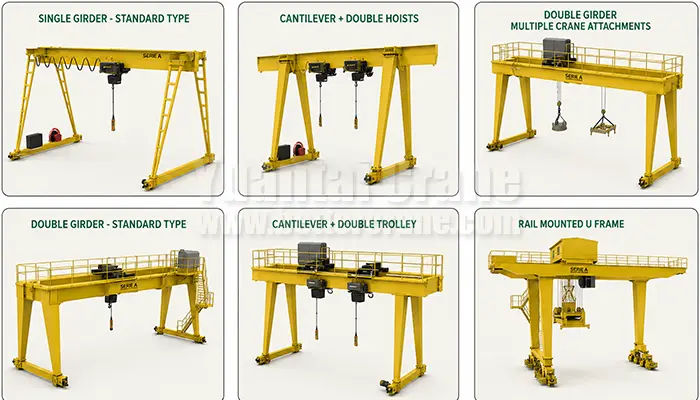
Basic Structure and Working Principle
The crane operates using three coordinated movements:
- Hoisting movement for lifting and lowering loads
- Trolley travel across the bridge span
- Gantry travel along the rail track
These movements allow the crane to:
- Pick up materials from receiving zones
- Move products to storage locations
- Retrieve inventory for processing
- Deliver materials to truck loading areas
- Support continuous yard operations
A properly designed RMG system can often cover the entire storage yard with a single crane.
Key Components
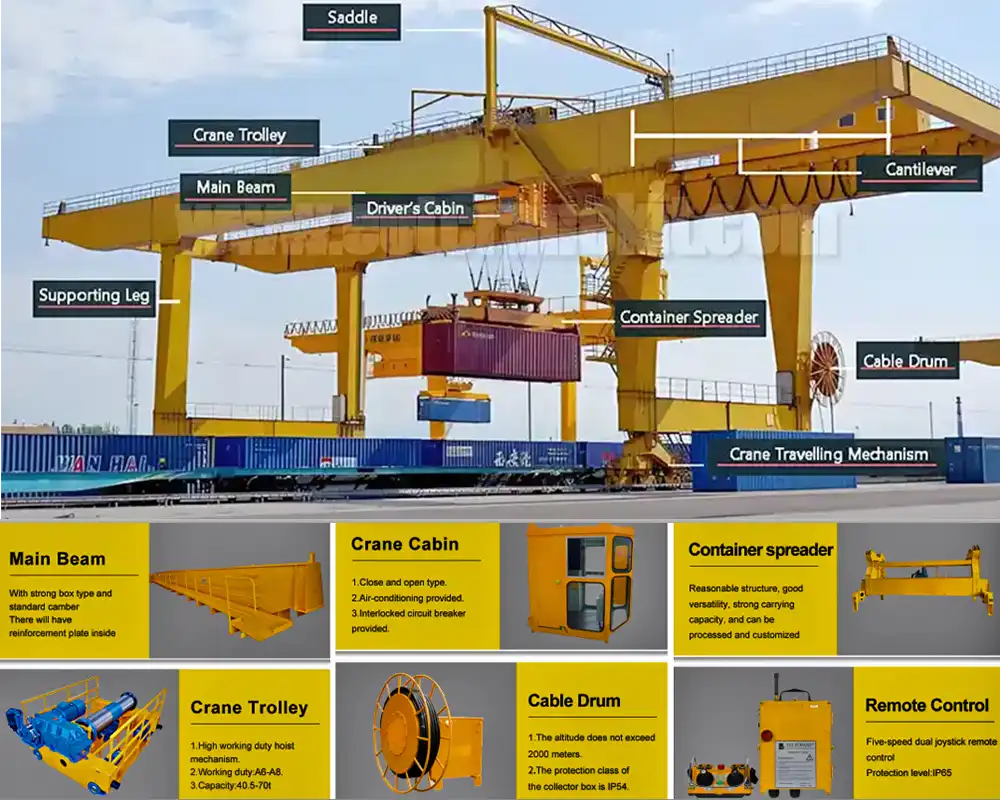
Gantry Structure
The gantry structure forms the main load-bearing framework. Check more on the main parts and conponents of rail mounted gantry cranes for container handling.
Its functions include:
- Supporting all lifting loads
- Providing crane stability during operation
- Creating clearance over storage rows
- Supporting trolley travel mechanisms
- Withstanding wind loads and outdoor conditions
Span widths may range from 20 meters to over 100 meters depending on yard layout requirements.
Hoisting Mechanism
The hoist performs the lifting operation and is one of the most critical crane components.
Common configurations include:
- Wire rope electric hoists
- Open winch hoist systems
- Dual-hoist arrangements
- Synchronized lifting systems for long loads
Hoist selection depends on:
- Load capacity
- Lift height
- Duty cycle
- Daily operating hours
- Material characteristics
Rail Travel System
The rail system guides the crane along a fixed operating path.
Advantages include:
- Smooth and stable movement
- Precise positioning accuracy
- Reduced tire maintenance compared to mobile equipment
- Consistent travel performance
- Reliable operation in large outdoor yards
Travel lengths may vary from several dozen meters to several hundred meters.
Control Systems
Modern rail mounted gantry cranes can incorporate different levels of automation.
Common options include:
- Pendant control
- Radio remote control
- Operator cabin control
- Semi-automatic positioning systems
- Fully automated crane operation
Automation is becoming increasingly common in high-volume steel yards and pipe storage facilities.
Lifting Devices
The lifting attachment is selected according to the type of material being handled.
Examples include:
- Spreader beams for long products
- Pipe lifting beams for pipe bundles
- Electromagnetic lifting systems for steel products
- Vacuum lifting systems for aluminum products
- Timber lifting frames for lumber bundles
- C-hooks for steel coils and bundled materials
The correct lifting device improves load stability and reduces product damage.
Why Rail Mounted Gantry Cranes Are Popular for Long Loads
Rail mounted gantry cranes have become a preferred solution for long material storage yards because they address many of the operational challenges associated with handling oversized products.
Wide Coverage Areas
One crane can often cover multiple storage rows and loading zones.
Benefits include:
- Full-yard material access
- Reduced equipment congestion
- Fewer internal transport movements
- Improved inventory accessibility
- Reduced dependence on multiple forklifts
This is particularly valuable in steel storage yards, pipe yards, and lumber storage facilities where travel distances can be substantial.
High Storage Capacity Utilization
Storage density is often one of the primary reasons facilities install rail mounted gantry cranes.
Key advantages include:
- Higher stacking heights
- Narrower storage aisles
- Better organization of inventory
- Improved use of available land
- Increased storage capacity without yard expansion
Many facilities can store more material within the same footprint after converting to an RMG-based yard layout.
Efficient Repetitive Handling
Most outdoor material yards perform similar handling operations every day.
Typical crane activities include:
- Unloading incoming trucks
- Moving materials into storage
- Retrieving inventory for production
- Preparing orders for shipment
- Loading outbound transportation vehicles
- Reorganizing inventory when required
Because the crane follows fixed travel paths and repeatable operating cycles, handling operations become more predictable, more organized, and easier to manage. This is one of the main reasons rail mounted gantry cranes continue to be widely used for aluminum profile handling, lumber storage, structural steel yards, pipe storage facilities, and fabrication yards.
Your Trusted Rail Mounted Gantry Crane Manufacturer & Supplier
Challenges of Handling Long Materials
Long material handling is often more complex than handling heavy loads. A 3-ton steel beam that is 12 meters long may be more difficult to control than a compact 10-ton machine component. The reason is simple. Length introduces challenges related to load balance, stability, storage, and accessibility.
Whether the material is aluminum profiles, timber bundles, structural steel sections, pipes, or fabricated assemblies, the same fundamental issues appear throughout receiving, storage, retrieval, and shipping operations. Understanding these challenges is essential when selecting a rail mounted gantry crane and designing an efficient storage yard. Check rail mounted or rail travelling gantry cranes with truss girder design for conceret beam handling for outdoor handling.

Characteristics of Long Loads
Long products behave differently from compact loads during lifting and storage. Their dimensions affect how they must be supported, transported, and stacked.
Length-to-Weight Relationships
The difficulty of handling a load is not determined by weight alone. Length often has an equally important impact on lifting operations.
For example:
- A 12-meter bundle of aluminum profiles may weigh only 2 tons but requires multiple lifting points to prevent bending.
- A 15-meter pipe bundle may have a relatively low weight but occupies significant storage space.
- A 20-meter steel beam creates larger turning and positioning challenges than a shorter beam of the same weight.
- Long timber packages can extend well beyond forklift forks, reducing stability during transport.
As load length increases, operators must consider:
- Lifting point spacing
- Load support requirements
- Available storage space
- Travel clearances
- Crane span requirements
- Truck loading configurations
In many outdoor storage yards, product length becomes the primary factor influencing crane design and yard layout.
Load Flexibility and Deflection
Many long materials do not remain perfectly rigid during lifting.
Common examples include:
- Aluminum extrusion profiles
- Thin-wall steel sections
- Long timber beams
- Plastic pipes
- Fabricated assemblies
When lifting these products, the material may bend slightly under its own weight. This natural bending is known as deflection.
Excessive deflection can create several problems:
- Permanent deformation of the product
- Surface damage at lifting points
- Uneven load distribution
- Increased stress on lifting equipment
- Reduced load stability during movement
This is why spreader beams and multiple lifting points are commonly used when handling long materials. Proper support helps distribute the load evenly and reduces bending during lifting.
Uneven Center of Gravity Considerations
Long loads often have centers of gravity that are difficult to identify visually.
This is especially common with:
- Fabricated structures
- Welded assemblies
- Mixed-material loads
- Bundled steel products
- Irregular pipe packages
Several factors can shift the center of gravity:
- Uneven material distribution
- Different section sizes within a bundle
- Attached components
- Variable wall thicknesses
- Partial bundle configurations
If lifting points are positioned incorrectly, operators may experience:
- Unexpected load tilting
- Load rotation during lifting
- Uneven sling loading
- Difficulty placing materials accurately
For this reason, long-load lifting plans often include center-of-gravity calculations before handling begins.
Common Operational Difficulties
Even when loads are lifted safely, daily operations can still become inefficient if the storage yard is not designed properly.
Safe Lifting and Positioning
Long materials require greater control during lifting than compact loads.
Operators must account for:
- Load length
- Wind conditions
- Clearance requirements
- Load flexibility
- Nearby storage structures
Positioning a 15-meter pipe bundle onto a storage rack requires far more precision than placing a pallet on the ground.
Common operational difficulties include:
- Aligning loads with storage supports
- Preventing load rotation
- Maintaining load level during lifting
- Avoiding contact with nearby materials
- Positioning loads accurately on trucks
The longer the load, the more noticeable these challenges become.
Material Accessibility
Many storage yards focus on maximizing capacity but overlook accessibility.
As inventory grows, operators often encounter:
- Materials buried behind other products
- Frequent reshuffling of inventory
- Longer retrieval times
- Increased equipment movements
- Delays during truck loading
For example, retrieving a specific bundle of steel beams may require moving several other bundles first if storage lanes are poorly organized.
Poor accessibility often leads to:
- Higher labor costs
- Lower throughput
- Increased equipment wear
- Longer truck waiting times
Efficient storage systems must balance storage density with direct access to materials.
Storage Density Limitations
Long products consume significant space, even when inventory volumes are moderate.
Common challenges include:
- Wide storage lanes
- Large turning areas for forklifts
- Limited stacking heights
- Clearance requirements between rows
- Restricted access routes
As a result, many facilities run out of storage space long before reaching their maximum yard capacity.
Without an optimized layout, operators may experience:
- Reduced inventory capacity
- Increased congestion
- Longer travel distances
- More material handling steps
Rail mounted gantry crane systems are often introduced specifically to improve storage density while maintaining accessibility.
Traffic Congestion in Outdoor Yards
Outdoor material yards often rely heavily on forklifts, side loaders, reach stackers, and trucks.
As activity levels increase, traffic congestion becomes a common problem.
Typical sources of congestion include:
- Receiving trucks waiting for unloading
- Forklifts crossing storage lanes
- Internal material transfers
- Simultaneous loading and unloading activities
- Limited access roads
Congested yards can create:
- Longer cycle times
- Increased accident risk
- Reduced productivity
- Vehicle bottlenecks
- Difficulty coordinating operations
Reducing unnecessary vehicle movements is often one of the primary goals when implementing a rail mounted gantry crane system.
Safety Risks Associated with Long Material Handling
Safety is a major concern whenever long products are lifted, transported, or storeEven experienced operators face additional risks when handling loads with large dimensions.
Load Swing
Long loads can swing more easily than compact loads during lifting and travel.
Factors contributing to load swing include:
- Sudden crane movements
- Wind exposure
- Uneven lifting points
- Long sling lengths
- Improper load balancing
Excessive load swing can result in:
- Difficult positioning
- Product damage
- Contact with nearby structures
- Increased risk to personnel
Controlling load movement becomes increasingly important as load length increases.
Instability During Transport
Long products can become unstable if not properly supported.
Examples include:
- Pipes rolling during movement
- Timber bundles shifting during lifting
- Steel sections rotating unexpectedly
- Fabricated assemblies tilting during transport
Instability may occur due to:
- Incorrect lifting points
- Uneven load distribution
- Insufficient support spacing
- Improper rigging arrangements
Maintaining load stability is one of the most critical aspects of safe long material handling.
Personnel Exposure Zones
Long loads occupy a larger operating area than compact loads.
This increases the number of locations where personnel may be exposed to lifting operations.
Common exposure risks include:
- Workers walking beneath suspended loads
- Personnel entering crane travel paths
- Ground workers positioned near moving materials
- Operators working in congested loading zones
Well-designed storage yards establish clear exclusion zones and controlled traffic routes to reduce these risks.
Product Damage Risks
Long materials are often valuable products that must arrive at customers in excellent condition.
Common damage risks include:
- Bent aluminum profiles
- Scratched finished surfaces
- Deformed pipe sections
- Damaged timber bundles
- Distorted fabricated assemblies
Product damage frequently occurs during:
- Improper lifting
- Poor storage practices
- Excessive load deflection
- Contact with adjacent materials
- Uncontrolled load movement
In many facilities, reducing product damage is one of the key reasons for upgrading from conventional handling methods to rail mounted gantry crane systems designed specifically for long-load applications.
Your Trusted Rail Mounted Gantry Crane Manufacturer & Supplier
Why Rail Mounted Gantry Cranes Are Ideal for Outdoor Material Yards
Outdoor material yards that handle long products such as aluminum profiles, timber, structural steel, and pipes face unique operational challenges. Traditional forklifts and mobile handling equipment often struggle with long travel distances, congested storage lanes, and repetitive lifting cycles. Rail mounted gantry cranes (RMGs) address these challenges by providing efficient, reliable, and safe handling solutions for large, elongated materials.
Large Area Coverage
Rail mounted gantry cranes are designed to operate over wide spans and cover long distances, making them particularly suitable for outdoor yards where material is spread across multiple storage rows. These cranes provide full-yard accessibility, allowing operators to move materials directly from receiving areas to storage or loading zones without multiple handling steps. By operating along fixed rails, RMG cranes deliver consistent positioning, minimize unnecessary equipment travel, and reduce congestion caused by forklifts and trucks.
Key aspects include:
- Wide-span operation enables the crane to reach across multiple storage rows without moving other equipment.
- Long travel distances allow a single crane to cover an entire yard, eliminating the need for multiple machines.
- Full-yard accessibility ensures direct handling of materials from receiving to storage or dispatch zones, improving operational efficiency.
Improved Storage Density
Outdoor material yards often face space constraints. Rail mounted gantry cranes improve storage density by allowing vertical stacking and narrower aisle widths while maintaining safe access to materials. Unlike forklifts, which require wide travel lanes for maneuvering, RMG cranes operate above the storage area, freeing up ground space for additional inventory. This vertical and efficient approach maximizes land utilization and helps facilities handle growing volumes without expanding the yard footprint.
Key benefits include:
- Vertical storage strategies enable higher stacking of long materials while maintaining stability.
- Reduced aisle requirements create more usable storage space.
- Better land utilization allows facilities to store more inventory without additional land costs.
Consistent Material Flow
Rail mounted gantry cranes support smooth and predictable material flow throughout the yarBy providing direct handling from receiving through storage, retrieval, and dispatch, these cranes help facilities maintain a consistent operational rhythm and reduce delays caused by inefficient material movement.
Key operational improvements include:
- Receiving operations: unload trucks directly and place materials in designated storage zones with minimal handling.
- Storage operations: organize materials systematically, enabling quick access to specific products.
- Retrieval operations: efficiently pick materials for processing or shipping without moving other inventory.
- Dispatch operations: load outbound shipments accurately and safely, reducing handling time and risk of product damage.
In practice, RMG cranes turn complex yard operations into a streamlined system, reducing labor demands, increasing throughput, and enhancing safety when handling long, bulky, or awkward materials.
Aluminum Profile Handling Applications
Aluminum extrusion plants handle one of the most sensitive long materials in industrial storage yards. Profiles are often long, thin-walled, and easily damaged if lifting or stacking is not properly controlleEven small mistakes in handling can lead to surface scratches, bending, or deformation that affects product quality and customer acceptance. Rail mounted gantry cranes are commonly used in aluminum profile yards because they provide stable, controlled, and repeatable movement across large storage areas, especially when handling bundled extrusion products.
Characteristics of Aluminum Extrusion Products
Aluminum profiles behave differently from steel or timber because they combine low weight with high flexibility and sensitive surface finishes. This creates handling conditions that require more control than simple lifting.
Key characteristics include:
- Long profile lengths, often ranging from 6 to over 15 meters, requiring wide-span lifting and accurate positioning.
- Lightweight but flexible material behavior, meaning profiles can bend if supported incorrectly during lifting or transport.
- Surface-sensitive finishes such as anodized, powder-coated, or polished surfaces that are easily scratched by rough contact or improper rigging.
Because of these factors, aluminum handling is less about lifting power and more about controlled movement and protection of product quality.
Typical Yard Operations
In aluminum extrusion facilities, material handling is continuous and follows a structured flow from production to shipment.
Common operations include:
- Extrusion cooling and storage, where freshly produced profiles are transferred from production lines to storage areas and allowed to stabilize before further processing or packaging.
- Finished product inventory management, where bundles are organized by profile type, alloy, customer order, or production batch for easier retrieval.
- Shipping preparation, where selected bundles are staged, checked, and prepared for loading onto trucks or containers for distribution.
Each step requires careful handling to avoid surface damage and maintain accurate inventory control, especially in high-volume production environments.
Benefits of Rail Mounted Gantry Cranes
Rail mounted gantry cranes provide practical advantages in aluminum profile yards where both precision and protection are important.
Key benefits include:
- Reduced scratching and deformation because lifting is controlled, stable, and performed with proper load distribution across the bundle.
- Faster bundle movement between storage areas, production zones, and loading stations, reducing idle time and improving workflow efficiency.
- Better inventory organization by allowing precise placement of bundles in designated storage locations, improving traceability and retrieval speed.
These benefits are especially important in large extrusion plants where multiple profile sizes and customer orders must be managed simultaneously.
Recommended Lifting Attachments
The choice of lifting attachment plays a critical role in preventing damage and ensuring safe handling of aluminum profiles.
Commonly used lifting devices include:
- Spreader beams, which distribute load evenly across long bundles and reduce bending stress during lifting.
- Vacuum lifting systems, which are suitable for flat or finished aluminum surfaces where contact points must be minimized.
- Soft sling arrangements, which provide flexible support and reduce the risk of surface scratching when handling delicate or coated profiles.
In practice, many aluminum extrusion yards combine these lifting methods depending on bundle type, surface finish, and handling requirements, ensuring both efficiency and product protection in daily operations.
Typical Gantry Crane Types, Configurations, and Capacity
Aluminum profile handling commonly uses specific types of rail mounted gantry cranes optimized for long, lightweight materials:
- Single-Girder Gantry Cranes: Ideal for lighter loads and moderate spans. Typically handle 2–10 tons per lift and span 15–30 meters.
- Double-Girder Gantry Cranes: Used for longer spans and heavier or wider bundles. Capacities range from 10–20 tons with spans exceeding 30 meters.
- Low-Headroom Gantry Cranes: Suitable for yards with height limitations, capable of lifting 3–15 tons without compromising overhead clearance.
- Semi-Automatic or Radio-Controlled Configurations: Common in high-density aluminum yards, allowing precise placement without an operator cabin, reducing labor demands and improving safety.
These configurations allow facilities to match crane type and lifting capacity to profile lengths, bundle weights, and yard layout, ensuring both safe handling and operational efficiency.
Lumber Yard Applications
Lumber yards handle some of the most varied and bulky long materials in industrial outdoor storage. From raw timber logs to finished lumber bundles and treated wood products, each type requires careful handling to maintain product integrity and optimize storage efficiency. Rail mounted gantry cranes are widely adopted in lumber mills because they can move heavy and long bundles safely across large yards while improving stacking, accessibility, and operational flow.
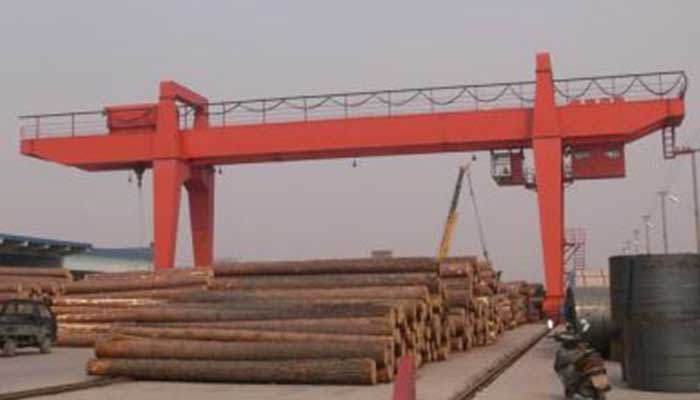
Lumber Storage and Distribution Requirements
Lumber storage requires accommodating different types of products with varying lengths, widths, and weights. Efficient distribution is essential to keep production and shipping operations running smoothly.
Key storage and distribution requirements include:
- Raw timber storage: Logs and unprocessed timber need stable stacking with proper support to prevent rolling or warping.
- Finished lumber bundles: Stacked and labeled according to dimensions, species, and order priority for easy retrieval.
- Treated wood products: Require careful handling to avoid surface damage, moisture exposure, or contamination during storage and movement.
Effective handling also ensures material is staged for downstream processes, including sawing, drying, and customer dispatch.
Common Material Handling Challenges
Lumber yards face operational difficulties due to the size variability and outdoor storage environment. These challenges affect safety, efficiency, and throughput.
Typical challenges include:
- Variable bundle dimensions: Timber bundles differ in length, width, and weight, complicating lifting and stacking operations.
- Outdoor weather exposure: Rain, snow, or sunlight can affect load stability and product condition if handling is delayed or improper.
- High-volume storage demands: Large inventories require dense stacking and wide-area coverage, which may exceed the reach of conventional forklifts.
Without proper equipment, these issues can lead to slower material flow, damaged products, and increased labor requirements.
Advantages of Rail Mounted Gantry Cranes in Lumber Mills
Rail mounted gantry cranes provide solutions that address most of the common challenges in lumber yards, improving both safety and efficiency.
Key advantages include:
- Efficient bundle stacking: Cranes can lift and place lumber bundles accurately, even in tall stacks, reducing ground congestion.
- Improved yard organization: Full-yard accessibility allows for systematic storage, easier inventory management, and faster retrieval.
- Faster truck loading: Bundles can be moved directly from storage to trucks, eliminating multiple handling steps and minimizing delays.
RMG cranes enable a predictable material flow, supporting continuous operations while reducing manual handling risks.
Layout Considerations for Lumber Storage Yards
A well-designed yard layout enhances the efficiency of crane operations and overall material handling. Key elements include:
- Storage lanes: Properly spaced lanes allow for high-density stacking while maintaining safe lifting clearances.
- Loading zones: Dedicated areas for truck loading reduce interference with storage and retrieval operations.
- Traffic flow planning: Defined paths for cranes, forklifts, and trucks prevent congestion, improve safety, and increase operational throughput.
Rail mounted gantry cranes are flexible enough to integrate seamlessly into these layouts, enabling taller stacks, narrower lanes, and faster handling cycles compared to conventional forklifts.
Typical Gantry Crane Types, Configurations, and Capacity
Lumber yards require cranes capable of handling variable bundle sizes and outdoor conditions. Common configurations include:
- Single-Girder Gantry Cranes: Suitable for lighter timber bundles and moderate span widths. Typical lifting capacity ranges from 2–10 tons.
- Double-Girder Gantry Cranes: Used for long spans or heavier lumber stacks, with capacities from 10–20 tons and spans over 30 meters.
- Low-Headroom Gantry Cranes: Designed for yards with limited vertical clearance while still lifting 3–15 tons.
- Semi-Automatic or Radio-Controlled Cranes: Improve precision placement of bundles in tight spaces and reduce labor requirements, allowing operators to manage yard operations safely from a distance.
Selecting the right crane type ensures that timber bundles of all sizes can be handled safely and efficiently, while supporting high-density storage and rapid truck loading operations.
Structural Steel Handling Applications
Structural steel service centers and fabrication yards handle some of the heaviest and longest products in industrial storage yards. Items such as beams, channels, angles, and structural tubing require precise handling to avoid damage, ensure operator safety, and maintain workflow efficiency. Rail mounted gantry cranes (RMGs) are widely used because they combine high lifting capacity with the ability to cover large outdoor storage areas, making them ideal for heavy and long steel products.
Types of Steel Products Commonly Handled
Steel service centers manage a variety of structural steel shapes and sizes, each with specific handling requirements:
- H-beams: Long, heavy beams that require stable support and careful lifting to prevent bending.
- I-beams: Commonly used for building structures, often bundled and stored in dense stacks.
- Channels: Medium-length steel sections that can be handled in bundles or individually.
- Angles: Smaller, lighter profiles that may be stacked or grouped in large quantities.
- Structural tubing: Hollow sections that require balanced lifting and careful placement to prevent deformation.
The diversity of shapes and sizes in steel inventories demands cranes that can handle varying weights and lengths efficiently.
Operational Requirements in Steel Service Centers
Steel yards operate under high-volume and heavy-load conditions, creating specific operational requirements for material handling equipment:
- Heavy load handling: Cranes must lift single beams or bundled products safely without overloading equipment.
- High inventory turnover: Frequent receiving and dispatch cycles require efficient handling systems to avoid bottlenecks.
- Large storage volumes: Stacking and organizing steel products over wide areas necessitates full-yard coverage and precise placement.
In practice, steel service centers benefit from equipment that reduces manual handling, minimizes forklift movements, and supports predictable material flow.
Benefits of Rail Mounted Gantry Cranes
Rail mounted gantry cranes provide tangible advantages in structural steel handling:
- Higher lifting capacities: Capable of handling individual heavy beams or bundled steel sections safely.
- Improved stock accessibility: Full-yard coverage enables quick retrieval of specific sizes or bundles without moving other inventory.
- Reduced forklift dependency: Fewer forklifts are required, which reduces congestion, risk of accidents, and product damage.
These advantages translate into faster operations, safer handling, and better utilization of yard space.
Specialized Lifting Solutions
Handling long and heavy steel products often requires specialized lifting attachments tailored to the load type:
- Magnetic lifting systems: Ideal for steel plates and flat sections, allowing for fast and secure lifting without slings.
- C-hooks: Used for individual beams or bundled steel sections, providing stability during transport.
- Steel spreader beams: Distribute weight evenly across long or heavy bundles, reducing deflection and preventing bending or deformation.
Selecting the correct lifting solution ensures that steel products maintain their structural integrity and that lifting operations remain safe and efficient.
Typical Gantry Crane Types, Configurations, and Capacity
Steel handling operations usually employ gantry cranes designed for heavy loads and long spans, and structure steel handling:
- Single-Girder Gantry Cranes: Suitable for moderate spans and lighter steel sections, typically 5–15 tons capacity.
- Double-Girder Gantry Cranes: Preferred for longer spans and heavier bundles, lifting 15–50 tons or more depending on yard needs.
- Low-Headroom Gantry Cranes: Used in yards with vertical restrictions, still capable of lifting 10–25 tons safely.
- Semi-Automatic or Radio-Controlled Cranes: Facilitate precise movement of heavy or awkward steel shapes with minimal manual intervention.
Choosing the right crane type and lifting configuration ensures efficient handling, minimizes product damage, and supports high-volume steel operations.
Pipe Handling Applications
Pipes, especially long and heavy sections used in industrial applications, present unique handling challenges in outdoor storage yards. Whether carbon steel, stainless steel, HDPE, or large-diameter industrial pipes, efficient handling requires equipment that can control load stability, prevent rolling, and maintain fast, organized material flow. Rail mounted gantry cranes (RMGs) provide practical solutions for these challenges by offering precise movement, full-yard coverage, and adaptable lifting configurations. Check gantry cranes for conceret pipe handling, steel pipe handling, etc.
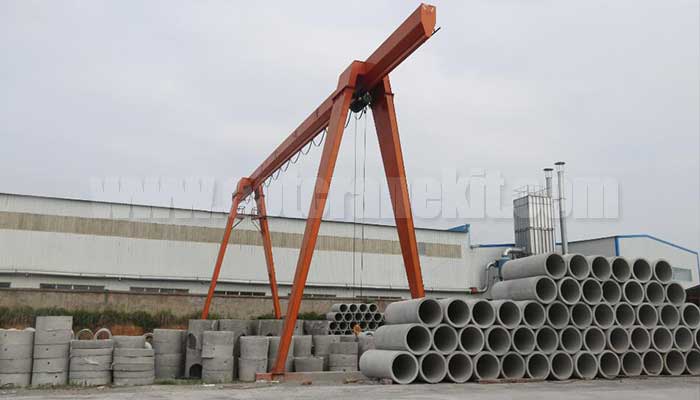
Pipe Types Commonly Stored in Outdoor Yards
Pipe yards typically handle a wide variety of products, each with different handling requirements:
- Carbon steel pipe: Often used in construction and oil & gas industries; typically stored in bundles and requires careful support to prevent deformation.
- Stainless steel pipe: Corrosion-resistant and often more expensive; surface protection during lifting and stacking is critical.
- HDPE pipe: Lightweight and flexible; requires gentle handling to prevent bending or surface marks.
- Large-diameter industrial pipe: Heavier and longer sections used for water, sewage, or pipeline projects; stability during lifting and storage is essential.
The diversity in material type, diameter, and wall thickness necessitates versatile handling solutions.
Pipe Yard Handling Challenges
Pipes are inherently prone to movement and instability, and outdoor storage increases exposure to environmental conditions. Key operational challenges include:
- Rolling hazards: Round shapes can easily roll during lifting or transport if not properly secured.
- Bundle stability: Pipes are often stacked in multiple layers; uneven stacking or shifting can lead to accidents.
- Inventory accessibility: Retrieving a specific size or bundle without moving other pipes requires precise positioning and careful planning.
These challenges can lead to product damage, safety incidents, and slower yard operations if not managed with appropriate equipment.
How Rail Mounted Gantry Cranes Improve Pipe Yard Operations
Rail mounted gantry cranes address these issues by providing controlled, repeatable, and precise handling for pipes:
- Controlled load movement: Cranes can lift, transport, and lower pipes without sudden shifts or swings, reducing the risk of roll or slide.
- Accurate placement: Operators can position bundles exactly where needed, improving stacking density and minimizing reshuffling.
- Reduced product damage: Properly supported lifting beams and spreaders reduce bending, surface scratches, and deformation.
In practice, RMG cranes streamline yard operations, reduce labor reliance, and improve safety compared with forklift-dependent handling systems.
Pipe Lifting Equipment Selection
The right lifting attachment is critical for safe and efficient pipe handling:
- Pipe lifting beams: Designed to cradle single or multiple pipes, distributing weight evenly to prevent bending.
- Bundle lifting systems: Handle multiple pipes at once, maintaining stability during transport and stacking.
- Adjustable spreaders: Adapt to different pipe lengths and diameters, ensuring proper support and load balance for varying inventory.
By combining the right crane configuration with specialized lifting devices, pipe yards can manage diverse pipe inventories safely, reduce handling time, and improve throughput.
Typical Gantry Crane Types, Configurations, and Capacity
Pipe handling operations usually require cranes with longer spans and sufficient lifting capacity for heavy bundles:
- Single-Girder Gantry Cranes: Suitable for lighter pipe bundles, typically 2–10 tons capacity with moderate spans.
- Double-Girder Gantry Cranes: Ideal for heavier or longer bundles, handling 10–30 tons or more across wide spans.
- Low-Headroom Gantry Cranes: Used in yards with height restrictions while still lifting 5–20 tons.
- Semi-Automatic or Radio-Controlled Cranes: Enable precise, safe placement of pipe bundles in dense stacks, reducing manual intervention and improving yard safety.
Selecting the appropriate crane type ensures efficient handling of pipes of varying diameters and materials while maintaining high productivity and safety standards.
Aluminum Profile Handling Applications
Aluminum extrusion plants handle one of the most sensitive long materials in industrial storage yards. Profiles are often long, thin-walled, and easily damaged if lifting or stacking is not properly controlleRail mounted gantry cranes are commonly used in aluminum profile yards because they provide stable, controlled, and repeatable movement across large storage areas, especially when handling bundled extrusion products.
Characteristics of Aluminum Extrusion Products
Aluminum profiles behave differently from steel or timber because they combine low weight with high flexibility and sensitive surface finishes. This creates handling conditions that require more control than simple lifting.
- Long profile lengths, often ranging from 6 to over 15 meters, requiring wide-span lifting and accurate positioning.
- Lightweight but flexible material behavior, meaning profiles can bend if supported incorrectly during lifting or transport.
- Surface-sensitive finishes such as anodized, powder-coated, or polished surfaces that are easily scratched by rough contact or improper rigging.
Because of these factors, aluminum handling is less about lifting power and more about controlled movement and protection of product quality.
Typical Yard Operations
In aluminum extrusion facilities, material handling is continuous and follows a structured flow from production to shipment.
- Extrusion cooling and storage, where freshly produced profiles are transferred from production lines to storage areas and allowed to stabilize before further processing or packaging.
- Finished product inventory management, where bundles are organized by profile type, alloy, customer order, or production batch for easier retrieval.
- Shipping preparation, where selected bundles are staged, checked, and prepared for loading onto trucks or containers for distribution.
Each step requires careful handling to avoid surface damage and maintain accurate inventory control, especially in high-volume production environments.
Benefits of Rail Mounted Gantry Cranes
Rail mounted gantry cranes provide practical advantages in aluminum profile yards where both precision and protection are important.
- Reduced scratching and deformation because lifting is controlled, stable, and performed with proper load distribution across the bundle.
- Faster bundle movement between storage areas, production zones, and loading stations, reducing idle time and improving workflow efficiency.
- Better inventory organization by allowing precise placement of bundles in designated storage locations, improving traceability and retrieval speed.
These benefits are especially important in large extrusion plants where multiple profile sizes and customer orders must be managed simultaneously.
Recommended Lifting Attachments
The choice of lifting attachment plays a critical role in preventing damage and ensuring safe handling of aluminum profiles.
- Spreader beams, which distribute load evenly across long bundles and reduce bending stress during lifting.
- Vacuum lifting systems, which are suitable for flat or finished aluminum surfaces where contact points must be minimized.
- Soft sling arrangements, which provide flexible support and reduce the risk of surface scratching when handling delicate or coated profiles.
In practice, many aluminum extrusion yards combine these lifting methods depending on bundle type, surface finish, and handling requirements, ensuring both efficiency and product protection in daily operations.
Your Trusted Rail Mounted Gantry Crane Manufacturer & Supplier
Comparing Material Handling Requirements Across Industries
| Industry | Key Material Characteristics | Primary Handling Focus | Typical Challenges | RMG Crane / Handling Solution Focus |
|---|---|---|---|---|
| Aluminum Profiles | Long, lightweight, flexible, surface-sensitive | Precision handling and surface protection | Scratching, bending, coating damage, misalignment in storage | Controlled lifting with spreader beams, vacuum lifters, soft slings; accurate placement in racks and loading zones |
| Lumber | High-volume bundles, variable sizes, outdoor storage exposure | High-volume movement and storage efficiency | Weather exposure, inconsistent bundle dimensions, storage congestion | Efficient stacking, wide-area yard coverage, fast truck loading, optimized storage lane usage |
| Structural Steel | Heavy beams, channels, angles, high-density inventory | Heavy lifting and fast retrieval | High load weight, inventory congestion, forklift dependency | High-capacity double-girder cranes, magnetic lifters, C-hooks, rapid dispatch cycles |
| Pipes | Long cylindrical loads, bundle storage, rolling tendency | Stability and controlled movement | Rolling hazards, bundle shifting, difficult stacking and retrieval | Pipe lifting beams, adjustable spreaders, stable multi-point lifting, controlled positioning |
| Fabricated Assemblies | Irregular shapes, project-based components, mixed weights | Flexible handling and staging | Variable geometry, complex lifting points, project sequencing | Radio-controlled or semi-automatic RMG cranes, adaptable lifting attachments, precise placement |
Each industry uses rail mounted gantry cranes differently, even though the core system is the same. Aluminum handling focuses on protection and precision, lumber emphasizes volume and speed, steel prioritizes heavy-duty lifting, pipe yards require stability control, and fabrication yards demand flexibility. This variation is what makes RMG systems suitable across multiple long-material industries, as the crane configuration and lifting attachments can be adapted to match real operational conditions.
Designing an Efficient Rail Mounted Gantry Crane Yard
Designing a rail mounted gantry (RMG) crane yard for long materials is more than just placing a crane on rails. It requires careful planning of storage layout, traffic flow, and capacity utilization to ensure smooth operations, safety, and maximum efficiency. Proper design enables yards to handle high-volume, long products such as aluminum profiles, timber, steel, pipes, and fabricated assemblies without bottlenecks or material damage.
Storage Layout Planning
An effective yard layout begins with how materials are organized and where they are stored:
- Storage row configuration: Organize storage rows to match crane reach and lifting span, allowing direct access to bundles without excessive repositioning.
- Material segregation: Separate different types of materials (aluminum, timber, steel, pipes) to prevent cross-handling issues and simplify inventory tracking.
- Future expansion planning: Leave space for additional rows or taller stacks to accommodate growing inventories or new product lines without major redesign.
Proper layout ensures that every crane movement is purposeful, reducing wasted time and avoiding unnecessary travel across the yard.
Traffic Flow Optimization
Efficient traffic flow reduces congestion, improves safety, and speeds up material handling:
- Truck routes: Define clear paths for trucks delivering and picking up materials to minimize interference with crane operations.
- Loading zones: Designate dedicated areas for receiving and dispatching goods, keeping cranes focused on lifting rather than maneuvering around vehicles.
- Safety separation areas: Maintain safe distances between crane operating zones, pedestrian walkways, and other mobile equipment to prevent accidents.
Optimizing flow ensures cranes can move materials without interruption and that personnel can work safely alongside moving loads.
Maximizing Yard Capacity
To handle more material within the same footprint, the yard must maximize storage density and crane coverage:
- Stack height considerations: Use RMG cranes' lifting capabilities to stack materials vertically while maintaining safe load distribution.
- Crane span utilization: Design rows to match crane spans, ensuring that the full reach of the crane is used for lifting across multiple lanes.
- Storage density improvements: Implement narrow aisles, vertical stacking, and organized lane layouts to store more material without reducing accessibility.
Selecting the Right Rail Mounted Gantry Crane for Long Material Handling
Choosing the right rail mounted gantry crane for long material handling is crucial for outdoor storage yards and industrial facilities handling aluminum profiles, timber, structural steel, pipes, or fabricated assemblies. The correct selection affects efficiency, safety, and productivity, while poor matching can create bottlenecks, increase material damage, and limit yard capacity. This guide focuses on practical considerations for crane capacity, span, lift height, duty class, and environmental factors, integrating long-tail keywords and semantic search terms relevant to overhead lifting, industrial yard cranes, and long-load material handling.
Capacity Selection
Selecting the correct crane capacity is about more than average load weight; it must account for the heaviest bundles and projected operational growth.
- Maximum load weight: Identify the heaviest single item or bundled materials such as structural steel beams, pipe racks, or lumber bundles. Choose a crane that can safely lift these loads with a sufficient safety margin to meet industrial standards.
- Future growth considerations: Plan for increased storage density, longer aluminum profiles, or heavier fabricated modules. A crane rated slightly above current requirements ensures long-term flexibility and avoids early equipment replacement.
Typical rail mounted gantry cranes for long material handling range from 5 tons for lightweight aluminum or lumber applications to 50 tons or more for steel, pipes, and fabrication yards.
Span Selection
The crane span determines how effectively the RMG crane can reach all storage lanes and material rows in outdoor yards.
- Yard width: Ensure the rail track separation matches the total storage area width to allow complete coverage of the yard without blind spots.
- Storage lane requirements: Plan row spacing, aisle widths, and loading zones in alignment with crane reach and hoisting range. Proper span selection prevents unused storage areas and reduces unnecessary material handling steps.
A well-planned span maximizes long-load material handling efficiency and minimizes crane travel time.
Lift Height Requirements
Lift height is critical for stacking long materials efficiently while maintaining safe clearance for trucks and personnel.
- Stack height: Ensure the crane can lift materials above the tallest planned stacks of aluminum profiles, timber, or steel beams.
- Truck loading clearance: Adequate vertical clearance allows direct loading and unloading onto flatbed trucks or trailers, reducing handling steps.
Proper lift height enables dense, organized stacking and smooth material flow in high-volume outdoor yards.
Duty Classification
Duty classification ensures that the crane can withstand operational intensity over its service life.
- Daily handling frequency: Yards with continuous receipt, storage, and dispatch of long materials require higher-duty cranes designed for frequent cycles.
- Operational cycles: The number of lifts per hour or per shift impacts motor selection, hoist durability, and structural reinforcement.
Industrial facilities handling structural steel, pipe racks, or fabrication modules often require heavy-duty rail mounted gantry cranes for safe, reliable operation.
Environmental Considerations
Outdoor rail mounted gantry cranes are exposed to environmental stresses that must be considered during specification.
- Wind loads: Long-span cranes lifting extended loads such as pipes or aluminum profiles must be engineered to resist lateral forces.
- Temperature conditions: Extreme heat or cold affects motors, electrical systems, and lubrication performance.
- Corrosion protection: Coastal or high-humidity environments require specialized coatings and maintenance plans to prevent rust and extend crane life.
Selecting the right rail mounted gantry crane for long material handling in outdoor yards requires a system-level approach. By considering capacity, span, lift height, duty classification, and environmental factors, industrial facilities can achieve optimized storage, safer operations, and faster material movement. Properly specified RMG cranes are essential for handling aluminum profiles, lumber bundles, structural steel, pipes, and fabricated assemblies efficiently, reducing bottlenecks, preventing product damage, and improving overall yard productivity.
Automation Opportunities for Long Material Storage Yards
Automation in long material storage yards is becoming increasingly important as industries seek higher throughput, reduced labor costs, and more accurate inventory management. Rail mounted gantry cranes are ideal candidates for automation because they already provide precise and repeatable movement across large outdoor areas. Integrating semi-automatic or fully automated systems enhances efficiency in handling aluminum profiles, lumber, structural steel, pipes, and fabricated assemblies. Check rail mounted gantry crane for container handling .
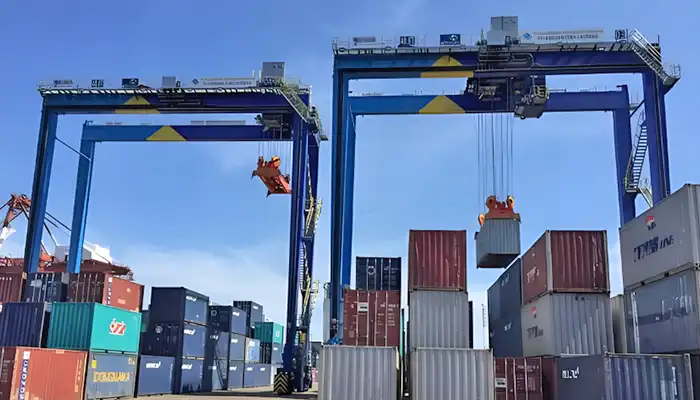
Semi-Automatic Crane Operation
Semi-automatic operation allows operators to control RMG cranes remotely while relying on system-assisted positioning for improved safety and precision.
- Remote control systems: Operators can move cranes, adjust lifting heights, and transport loads from a safe distance, reducing exposure to hazardous areas.
- Positioning assistance: Built-in sensors or guidance systems help accurately align bundles or individual items during stacking, retrieval, or loading, minimizing product damage and increasing handling speed.
Semi-automatic operation is a practical step for yards upgrading from manual crane systems to more efficient and controlled handling.
Fully Automated Yard Management
Fully automated yards integrate crane control with inventory and workflow management systems, enabling hands-free operation and optimized material handling.
- Inventory tracking: Automated systems log each material movement, ensuring accurate location and status of aluminum profiles, timber bundles, steel sections, or pipe racks.
- Crane scheduling: Intelligent scheduling assigns specific cranes to loads, balancing workload and reducing idle time.
- Material location management: Automated positioning and storage reduce the need for manual guidance, improve stacking density, and accelerate retrieval for shipping or production support.
Fully automated RMG systems provide consistent, repeatable operations that are particularly beneficial in high-volume industrial yards.
Benefits of Automation
Automation in long material yards offers tangible improvements in productivity, safety, and operational efficiency:
- Labor reduction: Fewer operators are needed for routine movements, freeing personnel for other tasks.
- Improved accuracy: Sensors and control systems ensure precise placement and retrieval of long materials, reducing errors and product damage.
- Higher throughput: Automated scheduling and optimized crane movements minimize downtime, increasing the number of loads handled per shift.
By integrating semi-automatic or fully automated rail mounted gantry cranes into long material storage yards, industrial facilities can significantly improve handling efficiency, enhance safety, and maintain organized, high-throughput operations for diverse materials including aluminum profiles, lumber, structural steel, pipes, and fabricated assemblies.
Your Trusted Rail Mounted Gantry Crane Manufacturer & Supplier
Cost and Return on Investment Considerations
Investing in a rail mounted gantry crane system for long material storage yards is typically a long-term infrastructure decision rather than a single equipment purchase. The total cost is influenced not only by the crane itself, but also by rail construction, yard preparation, and integration with existing material handling workflows. When properly designed, an RMG system delivers measurable returns through reduced labor dependency, improved yard efficiency, and lower material damage rates.
Cost and Return on Investment Considerations
Understanding investment structure, operational savings, and long-term value of rail mounted gantry crane systems in long material handling yards.
What are the initial investment factors for an RMG crane system?
The initial cost of a rail mounted gantry crane system is shaped by several components that must be considered together rather than individually.
- Crane system costs: This includes the gantry structure, hoisting system, trolley, electrical systems, control configuration, and lifting attachments designed for long material handling such as aluminum profiles, steel beams, pipes, or lumber bundles. Capacity, span, and duty class significantly affect pricing.
- Rail installation costs: Ground rail systems require civil engineering work, including rail beams, foundations, alignment, and anchoring. Outdoor yards with long travel distances typically require more extensive rail infrastructure.
- Yard infrastructure costs: Storage layout modifications, loading zones, drainage systems, and reinforcement of ground conditions may be required to support efficient crane operation and heavy long-load storage.
These initial investments are closely tied to the rail mounted gantry crane yard design, where proper planning reduces unnecessary rework and improves long-term performance.
What operational savings can rail mounted gantry crane systems provide?
Once installed, RMG crane systems generate ongoing operational savings that directly impact material handling efficiency and overall yard cost structure.
- Reduced labor costs: Fewer forklifts and operators are required because a single crane can handle large areas of storage, reducing manual material movement.
- Lower equipment fleet requirements: Dependence on multiple handling machines such as forklifts, reach stackers, or mobile cranes is significantly reduced, lowering maintenance and fuel costs.
- Reduced product damage: Controlled lifting of long materials reduces bending, surface scratching, and improper stacking, which directly lowers replacement and rework costs.
In many steel service centers, pipe yards, and aluminum extrusion plants, these savings accumulate quickly due to the repetitive nature of daily operations.
What is the long-term value of an RMG crane system?
Beyond immediate cost savings, rail mounted gantry crane systems provide long-term operational value that supports industrial growth and scalability.
- Increased throughput: Faster and more consistent handling cycles allow higher volumes of aluminum profiles, timber bundles, steel sections, or pipe racks to be processed daily.
- Improved storage utilization: Higher stacking capability and optimized yard layout increase usable storage capacity without expanding land area.
- Scalability for future growth: RMG systems can be extended in span, capacity, or automation level to match future production increases or new product lines.
The return on investment for a rail mounted gantry crane system for long material handling yards is driven by a combination of reduced operational costs, improved material flow, and increased storage efficiency. While the initial investment includes crane equipment, rail infrastructure, and yard preparation, the long-term benefits in productivity, safety, and scalability make RMG systems a practical solution for industries handling aluminum profiles, lumber, structural steel, pipes, and fabricated assemblies in high-volume outdoor environments.
Your Trusted Rail Mounted Gantry Crane Manufacturer & Supplier
Buyer Specification Checklist for Rail Mounted Gantry Crane Projects
A clear and detailed specification checklist is critical when planning a rail mounted gantry crane (RMG) project for long material handling. This ensures that the crane system matches operational needs, material types, and yard layout, while providing guidance for suppliers to propose accurate solutions. A structured checklist reduces errors, avoids overspecification, and improves project efficiency.
Buyer Specification Checklist for RMG Crane Projects
A structured procurement checklist covering material data, yard layout, operational intensity, and crane configuration for long material handling systems.
What material information is required for an RMG crane project?
Understanding the types of materials handled is the first step in determining the crane configuration and lifting attachments:
- Material type: Aluminum profiles, timber, structural steel, pipes, or fabricated assemblies.
- Length range: Typical material lengths to be lifted, including maximum lengths for safe handling.
- Weight range: Maximum and average bundle or single-piece weight to define crane capacity.
- Bundle dimensions: Width, height, and shape of bundled materials to select appropriate lifting beams, spreaders, or clamps.
Providing precise material data ensures that crane capacity, hoist selection, and lifting attachments are correctly specified.
What yard information is needed for proper crane design?
Yard dimensions and layout determine crane span, travel distance, and storage density requirements:
- Yard width: Distance between rail tracks and overall span needed for full coverage.
- Yard length: Maximum crane travel length and number of storage lanes.
- Storage capacity requirements: Anticipated inventory volume, stacking height, and future growth projections.
These details guide the selection of single-girder, double-girder, or low-headroom RMG cranes, as well as the layout of storage rows for efficient material handling.
How do operational requirements affect RMG crane selection?
Operational frequency and handling intensity affect duty classification, cycle times, and automation level:
- Daily movements: Number of lifts per shift or day to determine duty class and motor sizing.
- Loading frequency: Frequency of truck loading or unloading to define travel speed and hoist speed.
- Future expansion plans: Potential increase in material volume, stack height, or yard extension to ensure crane scalability.
A clear understanding of operational intensity helps optimize crane lifecycle, maintenance schedules, and throughput.
What are the key crane specification parameters?
Final specification elements define the physical capabilities and features of the RMG crane:
- Capacity: Maximum lifting weight with safety margin, considering bundled or single long materials.
- Span: Crane width to cover all storage lanes efficiently.
- Lift height: Maximum stack height and clearance for trucks or trailers.
- Automation level: Manual, semi-automatic, or fully automated operation depending on yard workflow and labor availability.
Providing these parameters allows suppliers to design a customized rail mounted gantry crane system tailored to the specific long material handling requirements of your yard.
Buyer Specification Checklist for Rail Mounted Gantry Crane Projects
A clear and structured specification checklist is essential when planning a rail mounted gantry crane system for long material handling. It ensures that the crane design matches actual site conditions, material flow requirements, and outdoor yard layout. This also helps suppliers provide accurate technical proposals without misinterpretation, especially for aluminum profiles, timber bundles, structural steel, pipes, and fabricated assemblies.
Material Information
To correctly design a rail mounted gantry crane system, please provide detailed information about the materials to be handled:
- Material type: _______________________________ (e.g., aluminum profiles / timber / steel beams / pipes / fabricated modules)
- Length range: _______________________________ (minimum – maximum length of single piece or bundle)
- Weight range: _______________________________ (minimum – maximum weight per piece or bundle)
- Bundle dimensions: _______________________________ (width × height × packing style or stacking method)
These details directly influence crane capacity selection, lifting beam design, and handling safety for long and irregular loads.
Yard Information
Yard layout and available space determine the crane span, travel distance, and storage efficiency:
- Yard width (rail span requirement): _______________________________
- Yard length (travel distance): _______________________________
- Storage arrangement: _______________________________ (single row / multi-row / rack storage / open stacking yard)
- Storage capacity requirement: _______________________________ (estimated tonnage or number of bundles)
- Future expansion space available: _______________________________ (yes / no / planned extension details)
This information ensures the rail mounted gantry crane is properly matched to the full yard layout and long-term storage strategy.
Operational Requirements
Operational intensity determines crane duty classification, working speed, and automation level:
- Daily material movements (lifting cycles per day): _______________________________
- Loading/unloading frequency (trucks per day or shift): _______________________________
- Working hours per day: _______________________________
- Future production or storage expansion plan: _______________________________ (expected increase in volume or load type changes)
These parameters help define whether the system should be light, medium, or heavy duty for continuous long material handling operations.
Crane Requirements
Final technical requirements define the configuration of the rail mounted gantry crane system:
- Required lifting capacity: _______________________________ (tons, including safety margin)
- Crane span (rail center distance): _______________________________
- Maximum lifting height: _______________________________ (stack height + truck clearance)
- Operating mode: _______________________________ (manual / radio remote / semi-automatic / fully automated)
- Preferred lifting attachments: _______________________________ (spreader beam / C-hook / magnetic lifter / pipe lifting beam / soft sling system)
These specifications allow the crane system to be accurately engineered for safe and efficient long-load handling.
A properly completed rail mounted gantry crane buyer specification checklist ensures that all key project parameters—material characteristics, yard dimensions, operational intensity, and crane configuration—are clearly defineThis reduces design uncertainty, improves supplier quotation accuracy, and ensures the final system is suitable for efficient and safe long material handling across outdoor industrial yards.
A well-prepared buyer specification checklist for rail mounted gantry crane projects ensures that every critical factor—from material characteristics to yard layout, operational frequency, and crane configuration—is captureThis not only simplifies vendor communication but also guarantees that the selected RMG system is safe, efficient, and fully aligned with current and future long material handling needs.
Conclusion:Send Us An Inquiry
Rail mounted gantry cranes have become a proven solution for handling aluminum profiles, lumber, steel sections, pipes, and fabricated components in outdoor storage environments. While each industry has unique operational requirements, they share the same objectives: safer handling, higher storage density, faster material flow, and lower operating costs.
By matching crane capacity, span, lifting attachments, and yard layout to the specific characteristics of long materials, companies can create highly efficient storage and logistics systems that support future growth. For facilities handling repetitive long-load movements, a properly engineered rail mounted gantry crane system often delivers significant improvements in productivity, safety, and overall yard performance.
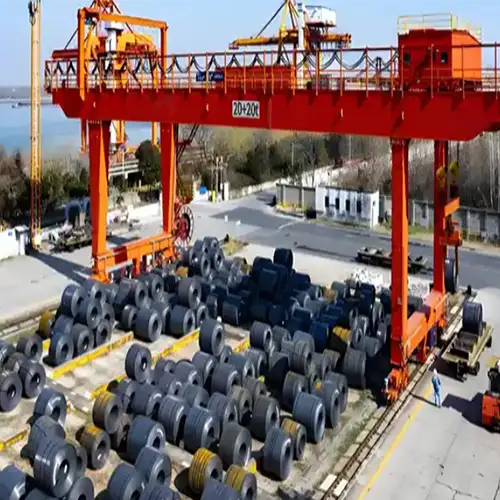
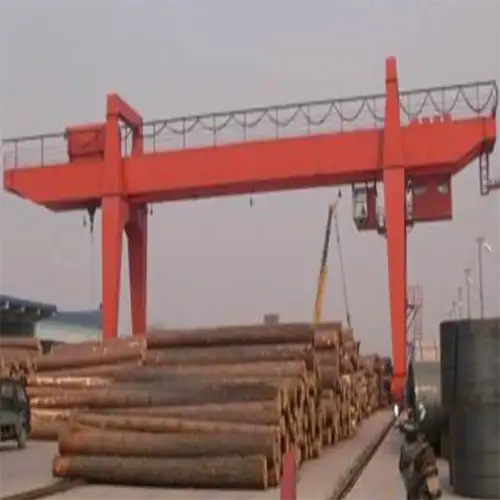

Yuantai Cranes
Overhead Crane Manufacturer with CE, ISO, SGS, CNEX Certificates.
- Main Specifications - Capacity: 0.5–550 tons | Span: up to 40m | Speed: 0.8–12 m/min | Duty: A3–A7 | Power: 380–690V, 50/60Hz | Control: pendant/remote/cabin
- Full engineering: FEA/PLC/VFD + in-house build + global delivery + on-site support, for workshops, factories, EPC contractors, industrial projects, etc.
- Support: design, manufacturing, testing, service – end-to-end, customized lifting solutions worldwide.
How to Get an Accurate Crane Price for Your Application?
Tips: Copy the spec list, fill in your details, and paste it into the form on the right/ down-below for a quick price.
- Crane type:_____ . (e.g., overhead crane, gantry crane, jib crane)
- Max weight to lift:_____ tons. (e.g., 2t, 5t, 10t, 20t, 50t)
- Lifting height:_____ m. (How high does the hook need to reach?
- Workshop width (span):_____ m . (Distance between the two crane rails)
- Travel distance:_____ m . (How long does the crane need to move along the runway?)
- Control type:_____. (Pendant / remote / cabin Control)
- Power supply:_____. (Local voltage & frequency – e.g., 380V, 50Hz, 3-phase)
- What will it be used for?_____ (e.g., steel fabrication, concrete products, mold handling, general manufacturing, etc.)
- Any special requirements?_____ (e.g., extreme temperature, dusty or explosive environment, special paint color, etc.)
Just leave a message via the contact form and our hoist and crane engineer will contact you with in 24working hours.
Get Your Custom Quote–Quick & Easy
Fill in what you know. Skip what you don't – we'll help.Any question will be reply with 24 working hours