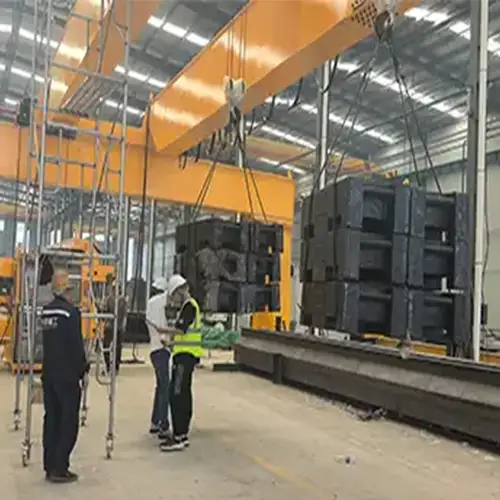
5–20 Ton Overhead Cranes for Harsh Conditions in Sugar Mill Plant
Buyer guide to 5–20t overhead cranes for sugar mills covering corrosion, dust, humidity, heat protection, design selection, and failure prevention.
| Crane Type | 5–20 ton overhead/EOT crane; single- or double-girder; ISO A4–A6 / FEM 2M–3M; 380/400/415V, 50Hz, 3Ph; corrosion-, dust-, and heat-protected options available. |
| Crane Capacity | 5–20 ton rated lifting capacity; 5–20 ton configurations selected according to equipment weight, maintenance loads, handling frequency, and process requirements. |
| Span Length | 10–30 m span; customized according to sugar-mill building dimensions and required equipment coverage. |
| Lifting Height | 6–15 m; customized according to plant structure, machinery height, maintenance clearance, and required lifting path. |
| Coverage Area Type | Rectangular crane-bay coverage; sugar-processing areas, workshops, maintenance bays, machinery zones, boiler areas, equipment installation areas, warehouses, and loading zones. |
| Application | Sugar mill maintenance, cane-processing equipment, crushers, mills, boilers, pumps, motors, gearboxes, conveyors, production equipment, machinery installation, and material handling. |
| Certifications | CE / ISO / SGS / Other third-party inspection |
| Customization | Customized single- or double-girder structure, overhead/EOT configuration, electric wire rope or chain hoist, electric trolley, pendant/radio/cabin control, corrosion-resistant treatment, dust protection, heat protection, and application-specific lifting |
Crane Manufacturer: Yuantai Cranes – 30+ Years Professional Crane Manufacturer from China
Category: Featured
Tags: 20ton,20TonOverheadCrane
Your Trusted Overhead Crane Manufacturer & Supplier
Overhead Cranes for Sugar Mills (5–20t)
Overcoming Corrosion, Dust, Humidity & Heat — A Buyer's Guide to Avoid Costly Failures
Most Important Takeaway
In sugar mills, crane failures rarely come from lifting capacity errors—they come from environmental breakdown. If corrosion, sugar dust, humidity, and heat are not addressed in the design stage, even a correctly rated 10t or 20t overhead crane can fail early, causing unplanned shutdowns during critical crushing operations.
- 5–20t overhead cranes in sugar plants must be selected based on environment + duty cycle, not only load capacity
- Corrosion and sugar dust are the two fastest causes of crane degradation in mills
- IP-rated electrical systems and sealed motors are essential for stable operation
- Tropical and semi-arid sugar plants require different protection strategies
- Proper maintenance planning directly extends crane service life and reduces downtime risk
Questions This Guide Solves
What overhead crane capacity (5t, 10t, 16t, 20t) is suitable for sugar mill workshops?
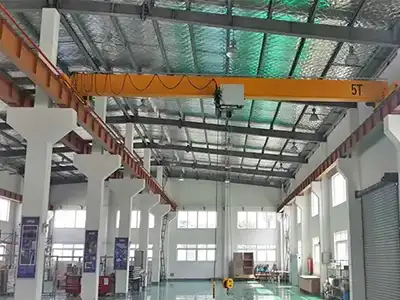
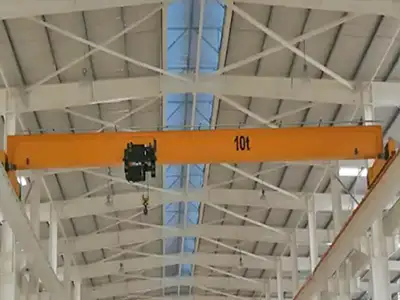
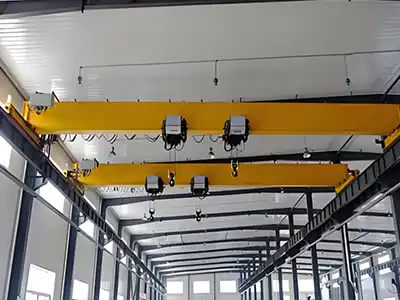
In sugar mill workshop applications, 5–10 ton overhead cranes are typically used for daily maintenance tasks such as pumps, small motors, and light assemblies, while 10–16 ton cranes handle medium machinery like gearboxes and reducers. For heavier workshop loads or shutdown support, 16–20 ton overhead cranes are used.
Selection depends not only on tonnage but also on duty cycle, dust exposure, humidity level, and whether the crane is used daily or seasonally.
Why do cranes fail early in sugar plants even when correctly sized?
Early crane failure in sugar mills usually comes from environmental mismatch rather than incorrect capacity selection. A properly rated crane can still degrade quickly if exposed to corrosion, sugar dust contamination, high humidity, or heat stress without proper design protection.
In many cases, the issue is not lifting overload but insufficient sealing, weak corrosion protection, or under-rated duty classification.
How do corrosion, humidity, dust, and heat affect crane systems?
These four environmental factors directly impact different crane subsystems:
- Corrosion: weakens steel structures, joints, and fasteners over time
- Humidity: causes electrical short circuits, insulation breakdown, and condensation faults
- Sugar dust: blocks motor cooling, reduces brake efficiency, and increases mechanical wear
- Heat: accelerates motor aging, reduces lubricant performance, and shortens insulation life
Combined together, these factors significantly reduce service life if not addressed in the initial crane design.
What design features should buyers require in a sugar mill overhead crane?
For reliable sugar mill overhead crane systems (5–20t range), buyers should prioritize engineering protection rather than basic specifications.
- Anti-corrosion coating system or hot-dip galvanizing for harsh zones
- Sealed mechanical systems including TEFC motors and protected gearboxes
- IP55–IP65 electrical protection depending on environment severity
- Heat-resistant insulation (Class F or Class H motors for heavy-duty zones)
- Dust-proof brake systems and sealed electrical components
These features ensure stable operation under sugar plant conditions such as moisture, dust, and continuous seasonal usage.
How should cranes be maintained in harsh sugar processing environments?
Maintenance in sugar mills must follow a structured routine due to dust, humidity, and seasonal operation cycles.
- Daily: remove sugar dust, check noise/vibration, inspect visible corrosion points
- Weekly: lubricate moving parts, check brakes, tighten electrical connections, inspect control panels
- Seasonal shutdown: inspect structure, test motor insulation, replace gearbox oil, and re-coat exposed surfaces
Consistent maintenance is critical for 5–20 ton overhead cranes because most failures are environmental and gradual rather than sudden.
What is the difference in crane requirements between tropical and dry regions?
Regional environment directly changes crane design priorities.
- Tropical regions: focus on corrosion protection, moisture sealing, and IP65 electrical systems
- Semi-arid regions: focus on dust protection, heat-resistant motors, and stable cooling systems
In sugar mill applications, ignoring regional adaptation often leads to premature electrical failure, increased maintenance costs, and reduced crane lifespan during crushing seasons.
Your Trusted Overhead Crane Manufacturer & Supplier
Overhead Crane Use in Sugar Mills (5–20t Range)
In sugar mills, the general use overhead cranes and specialized overhead cranes for suger industries are not general-purpose lifting machines. They are tied directly to maintenance work, breakdown response, and seasonal shutdown operations. Most plants rely on 5 ton to 20 ton overhead bridge cranes across workshops and production zones. The crane is part of production continuity, not just workshop equipment.
Where 5–20 Ton Cranes Are Used in Sugar Plants
Sugar factories usually divide crane use by working zones. Each zone has a different load pattern and working environment:
- Mill house (crushing section)
Heaviest duty area in the plant, handling rollers, shafts, and crusher assemblies.
Typical solution: 16–20t double girder crane or twin hoist system (5t+5t / 10t+10t) - Boiler and power house
High temperature, steam, and continuous operation conditions.
Typical solution: 10–20t double girder overhead crane - Maintenance workshop / repair bay
Mixed environment with oil, dust, and frequent lifting tasks, including motors, reducers, and fabricated parts.
Typical solution: 5–16t single or double girder crane - Juice processing area
High humidity and sticky sugar vapor exposure; lighter equipment handling with higher corrosion risk.
Typical solution: 5–10t enclosed overhead crane - Cane yard / outdoor area
Open-air working with rain, dust, and wind exposure for support equipment and maintenance.
Typical solution: 10–20t outdoor EOT or gantry crane
Typical Capacity Logic (What Buyers Should Know)
Crane capacity in sugar mills is generally planned in three working levels:
- 5–10 ton overhead cranes
Light maintenance work such as pumps, small motors, and routine repairs; mostly used in workshops and service areas. - 10–16 ton overhead cranes
General plant maintenance and medium equipment handling; common choice for main workshop overhead crane systems. - 16–20 ton overhead cranes
Heavy lifting tasks during shutdown periods; used for rollers, shafts, and large mechanical assemblies.
In many cases, twin hoist overhead cranes are selected instead of increasing single-hook capacity, especially when handling long sugar mill components.
Operational Reality in Sugar Mills
Crane usage is highly cyclical:
- Long idle periods with humidity exposure
- Short but intensive operation during crushing season
- Heavy lifting concentrated during shutdown maintenance
This working cycle puts more stress on the crane than continuous-use industries. Reliability and environmental protection are as important as load capacity.
Key Selection Logic for Buyers
Capacity is only one part of the decision. Real selection depends on:
- Where the crane is installed (mill house, boiler, workshop, yard)
- What equipment is lifted (rollers, motors, gearboxes, shafts)
- How often it works (daily maintenance vs seasonal heavy lifting)
This is why most sugar plant cranes are specified as 5–20 ton double girder overhead cranes with corrosion protection and sealed electrical systems, rather than standard workshop cranes.
Typical Overhead Crane Application Zones in Sugar Plants
Sugar mills are not built as one single working environment. That is important to understand first. A crane working in the mill house will face very different conditions compared to a crane in the workshop or cane yard. Because of this, overhead crane selection for sugar plants (5t–20t range) is always based on location, working load, and environmental exposure.
In simple terms, where the crane works decides how it should be designed.
Cane Yard / Raw Material Handling Area
This is the first contact point of the sugar factory. It is an open area, and conditions change quickly with weather. Rain one day, dust the next, sometimes strong wind during unloading operations.
Crane work here is mainly connected to cane handling equipment maintenance and supporting heavy outdoor operations. Not light work, but also not precision lifting.
- Typical crane type: outdoor gantry crane, double girder EOT crane for outdoor use
- Capacity range: 10 ton to 20 ton overhead crane systems
- Working condition: high dust, rain exposure, open-air corrosion risk
- Practical note: buyers should pay attention to anti-corrosion coating and weatherproof electrical protection, otherwise maintenance becomes frequent
This area looks simple, but in practice, it is one of the harshest environments for steel structures.
Mill House (Heavy Crushing Section)
The mill house is where real heavy lifting happens in a sugar plant. This area runs under vibration, heat, and continuous production pressure during crushing season.
Cranes here handle sugar mill rollers, long shafts, crusher assemblies, and heavy mechanical components. These are not small maintenance jobs, they are critical shutdown operations.
- Typical crane type: double girder overhead crane, sometimes twin hoist or tandem lifting crane
- Capacity range: 16 ton to 20 ton, or 5t+5t synchronized lifting systems for long loads
- Working condition: high vibration, continuous duty cycle, heavy load concentration
- Practical note: in many projects, buyers prefer twin hoist overhead crane design because long rollers must be lifted without bending or misalignment
To be honest, this is the area where crane reliability matters most. If the crane stops here, production stops.
Boiler and Power House Area
Boiler and power house zones are different again. The main issue here is not dust, but heat and steam. The environment is warm, sometimes humid, and operation often runs close to continuous energy production systems.
Cranes are mainly used for turbine maintenance, pump replacement, and heavy mechanical servicing.
- Typical crane type: double girder EOT crane for power plant maintenance
- Capacity range: 10 ton to 20 ton overhead cranes
- Working condition: high temperature, steam exposure, intermittent heavy lifting
- Practical note: motors with heat-resistant insulation and sealed electrical control panels are normally required here
It is not a dusty environment, but heat slowly affects performance if crane design is not suitable.
Workshop / Maintenance Bay
This is the most flexible working area in a sugar mill. It is where daily repair work happens. Motors, gearboxes, pumps, and fabricated parts are handled here almost every day.
The environment is mixed. Some dust, some oil, sometimes humidity depending on the plant layout. Nothing extreme, but still not clean industrial space.
- Typical crane type: single girder overhead crane or double girder workshop crane
- Capacity range: 5 ton to 16 ton overhead crane systems
- Working condition: medium duty, frequent operation, mixed contamination (dust + oil)
- Practical note: this is usually the most frequently used crane in the whole sugar plant, so maintenance access matters a lot
Many buyers underestimate this area. In reality, it runs almost every day.
Juice Extraction / Processing Area
This area is one of the most corrosive environments in a sugar plant. High humidity, sticky sugar vapor, and frequent washdown conditions create a constant risk for steel and electrical systems.
Crane usage here is lighter compared to the mill house, but environmental stress is high.
- Typical crane type: enclosed double girder overhead crane
- Capacity range: 5 ton to 10 ton cranes
- Working condition: high humidity, corrosive atmosphere, frequent cleaning water exposure
- Practical note: IP-rated electrical systems (IP55 or IP65) and sealed motors are necessary, otherwise failures start early
This is the kind of area where corrosion does not show immediately, but it builds up over time.
Practical Selection Insight for Buyers
When looking at sugar mill overhead crane selection (5–20t range), the key point is not only lifting capacity. It is how the crane matches its working zone.
A simple way to think about it:
- Outdoor cane yard → focus on weather and corrosion protection
- Mill house → focus on heavy load + synchronized lifting capability
- Boiler area → focus on heat resistance
- Workshop → focus on daily maintenance efficiency
- Processing area → focus on humidity and corrosion control
In real sugar plant projects, correct crane selection is always a combination of environmental condition, duty cycle, and load type, not just tonnage on paper.
Your Trusted Overhead Crane Manufacturer & Supplier
Environmental Challenges That Cause Crane Failures in Sugar Plants
In sugar mills, overhead cranes operate across multiple zones with very different environmental conditions. Understanding where the crane operates is critical before selecting capacity (5t, 10t, 16t, 20t) or configuration (single girder, double girder, or tandem/twin hoist systems).
Corrosion in High-Moisture Environments (Sugar Mill Overhead Crane 5–20t Applications)
Corrosion is one of the main reasons overhead cranes in sugar mills lose performance earlier than expected. It does not happen suddenly. It builds up slowly in wet and humid working zones where sugar residue, washdown water, and steam are always present.
In sugar factory conditions, steel is almost never "dry." That is the reality. So any 5 ton, 10 ton, or 20 ton overhead crane working in these areas must be designed with corrosion protection from the beginning, not as an afterthought.
Where Corrosion Happens in Sugar Mill Crane Application Zones
Corrosion is not uniform across the plant. It is much more aggressive in certain working zones where overhead cranes operate regularly.
Typical high-risk zones include:
- Juice extraction and processing areas with continuous humidity
- Washdown zones where cleaning water is frequently used
- Fermentation and tank areas with moisture and vapor
- Outdoor cane yard crane areas exposed to rain and air humidity
In these environments, even small sugar deposits left on steel surfaces can accelerate rust formation over time.
Typical Overhead Crane Types and Capacities Used in High-Moisture Zones
Different sugar mill zones use different crane configurations depending on load and exposure level. In high-moisture areas, the focus is usually on enclosed protection + moderate lifting capacity + stable structure.
- 5–10 ton overhead cranes (single girder or light double girder)
Used in juice processing areas and light maintenance zones.
Typical configuration: enclosed hoist, IP-rated electrical system, anti-corrosion coating steel structure.
Application: pumps, small motors, pipe sections, maintenance tools. - 10–16 ton overhead cranes (double girder EOT cranes)
Used in mixed humidity areas such as workshop edges or semi-processing zones.
Typical configuration: double girder bridge crane with sealed motors and reinforced coating system.
Application: gearboxes, reducers, medium mechanical assemblies. - 16–20 ton overhead cranes (heavy-duty double girder cranes)
Used in wetter industrial zones near mill house boundaries or outdoor-connected areas.
Typical configuration: heavy-duty double girder overhead crane, optional corrosion-resistant upgrade, higher duty class.
Application: heavy components during maintenance shutdown, structural equipment handling.
In many sugar mill projects, twin hoist overhead cranes (5t+5t or 10t+10t) are also used when long components must be lifted without bending stress.
How Corrosion Affects Overhead Crane Components in These Zones
In high-moisture sugar plant environments, corrosion does not stay on the surface. It gradually affects both structural and moving parts of the crane.
- Rust formation on main girders, end beams, and welded joints
- Corrosion on hook blocks, trolley wheels, and rail systems
- Faster wear of fasteners, bolts, and rail clamps
- Weakening of exposed structural surfaces if coating protection is insufficient
Over time, this leads to more frequent maintenance checks and reduced operational stability, especially during peak crushing season when crane usage increases.
Practical Buyer Requirements for Corrosion Protection in Sugar Mills
For sugar mill overhead cranes (5–20 ton range) working in humid or wet environments, buyers typically require specific protection standards rather than general industrial specifications.
- Multi-layer anti-corrosion coating system
(epoxy primer + polyurethane topcoat for long-term protection) - Hot-dip galvanizing option
especially for outdoor cane yard cranes or high humidity zones - Sealed mechanical systems
including enclosed motors and protected gearbox assemblies - Corrosion-resistant fasteners and structural connectors
used in load-bearing and exposed joints
These measures are especially important in tropical sugar mills where humidity remains high throughout the year.
Practical Selection Insight for Buyers
In real sugar plant projects, corrosion control is always linked with crane configuration and working environment.
A simple way buyers evaluate is:
- Low humidity workshop zones → 5–10 ton single girder cranes with standard protection
- Mixed humidity areas → 10–16 ton double girder cranes with improved coating system
- High-moisture processing zones → 16–20 ton cranes with full anti-corrosion + sealed design
- Outdoor or cane yard exposure → heavy-duty 10–20 ton gantry or EOT cranes with weather protection
In practice, a sugar mill crane is not selected only by tonnage. It is selected by how long it can stay stable under moisture exposure without increasing maintenance frequency.
Sugar Dust Contamination (Impact on Overhead Cranes in Sugar Mills)
Sugar dust is unlike ordinary industrial dust. It's sticky, hygroscopic, and spreads everywhere—from hoist motors to trolley wheels and even on steel girders. Over time, it builds up and interferes with both mechanical and electrical components, creating reliability problems if the crane is not designed for it.
In sugar mills, dust accumulation happens fast, especially in the mill house, juice extraction, and processing zones. Even small amounts left on critical surfaces can lead to overheating, brake failure, or premature wear.
Operational Impacts of Sugar Dust on Crane Systems
- Motors: Cooling fans and ventilation can get blocked, causing hoist motors to overheat.
- Brakes: Dust on brake surfaces reduces braking efficiency, which can compromise safety.
- Gearboxes: Dust enters moving parts, increasing friction and wear, leading to more frequent maintenance.
- Trolley wheels and rails: Sticky dust causes friction, uneven movement, and accelerated wear on mechanical components.
In short, sugar dust slowly undermines crane performance if left unaddressed.
Typical Crane Types and Capacities in Dust-Prone Zones
Crane selection depends on load requirements and dust exposure. In sugar dust environments:
- 5–10 ton overhead cranes
Single girder or light double girder, often in juice extraction or minor processing areas.
Features: TEFC hoist motors, dust-protected brakes, smooth girder surfaces.
Application: Pumps, small motors, light mechanical assembly. - 10–16 ton overhead cranes
Double girder bridge cranes in workshop or medium-duty process zones.
Features: Fully enclosed hoists, sealed gearboxes, dust-resistant trolley systems.
Application: Medium machinery, reducers, and general maintenance handling. - 16–20 ton overhead cranes
Heavy-duty double girder cranes in mill house or near processing equipment with high dust exposure.
Features: Twin hoist or tandem lifting system for long loads, fully sealed mechanical systems, reinforced girder coatings.
Application: Rollers, long shafts, and heavy equipment during seasonal shutdowns.
Buyer-Level Protection Requirements
To reduce sugar dust problems, buyers should specify cranes with:
- TEFC (Totally Enclosed Fan-Cooled) motors for hoists and trolleys
- Dust-proof brakes and sealed gearboxes to prevent friction and overheating
- Smooth structural surfaces to minimize dust accumulation and make cleaning easier
- Optional twin hoist systems for long or heavy loads to reduce exposure of mechanical parts to dust while lifting
Practical Selection Insight
When selecting overhead cranes for sugar mills with high dust exposure, the focus should be:
- Protecting moving parts from sticky sugar accumulation
- Ensuring motors and brakes continue to operate reliably under dusty conditions
- Reducing maintenance downtime caused by accelerated wear
A 10 ton or 16 ton overhead crane may be technically strong enough for the load, but if dust protection is ignored, it will require frequent intervention and increase downtime during critical crushing season.
High Humidity and Electrical Failure Risks (Sugar Mill Overhead Cranes 5–20t)
High humidity is one of those problems that does not look serious at first, but in sugar mills it quietly creates repeated electrical failures. In tropical sugar plants especially, moisture is present almost all year round. Even when the overhead crane is not running, humidity keeps working on the system.
This is why electrical reliability in sugar mill overhead cranes (5 ton to 20 ton range) is not only about components. It is about how well the system is sealed and protected against moisture over time.
How Humidity Enters Crane Electrical Systems
In real sugar plant conditions, moisture does not need direct water exposure. It enters slowly through air condensation and temperature changes between day and night.
- Control panels that are not fully sealed
- Junction boxes and terminal connections
- Motor housings during idle cooling periods
- Cable entry points and flexible connectors
Once moisture enters, it does not stay stable—it spreads inside electrical systems.
Common Electrical Failures in High-Humidity Sugar Mill Areas
When humidity is not properly controlled, overhead cranes start showing electrical instability. This usually does not happen immediately, but gradually during operation cycles.
- Short circuits in control panels and electrical cabinets
Moisture bridges electrical contacts and causes sudden shutdowns or fault trips. - Insulation breakdown in motors and cables
Over time, humidity weakens insulation resistance, especially in hoist motors used in 10–20 ton crane systems. - Condensation inside junction boxes during idle periods
This is very common during seasonal shutdown when cranes are not running daily. - Unstable operation of limit switches and control systems
Signal errors or delayed responses can appear due to moisture interference.
In practice, these failures often show up during restart after idle periods, which is common in sugar crushing cycles.
Typical Crane Types and Electrical Configurations in Humid Sugar Plant Zones
- 5–10 ton overhead cranes (light duty workshop or processing areas)
Usually single girder or light double girder cranes.
Electrical setup: IP55 protection, sealed hoist motor, standard control panel with moisture-resistant wiring.
Application: pumps, small motors, light maintenance handling. - 10–16 ton overhead cranes (main workshop and mixed humidity zones)
Double girder bridge cranes used for general maintenance work.
Electrical setup: IP55–IP65 rated panels, sealed limit switches, improved cable gland protection.
Application: gearboxes, reducers, medium equipment. - 16–20 ton overhead cranes (heavy-duty mill house or humid industrial zones)
Double girder or twin hoist crane systems used during shutdown maintenance.
Electrical setup: IP65 protection, fully sealed control cabinet, anti-condensation design, optional heating system for panels.
Application: rollers, shafts, large mechanical assemblies.
Buyer-Level Electrical Protection Requirements
For sugar mill overhead cranes operating in high humidity environments, buyers should clearly specify electrical protection standards during procurement.
- IP55 minimum protection for general areas
- IP65 protection for washdown or high-moisture zones
- Sealed control panels with anti-condensation design
- Moisture-resistant cable glands and connectors
- Sealed limit switches for reliable signal operation
- Optional panel heaters for tropical sugar mill environments
These are not optional features in humid sugar plants—they directly affect crane uptime.
Practical Selection Insight for Buyers
In real sugar mill operation, humidity-related electrical failures are often more disruptive than mechanical issues because they stop the crane suddenly without warning.
- Workshop areas → IP55 protected 5–10t or 10–16t cranes
- Process and semi-wet zones → IP65 protected double girder cranes
- High-humidity or washdown zones → fully sealed 16–20t crane systems with anti-condensation control
In short, for sugar mill overhead crane systems, electrical protection is not a secondary feature. It is part of the core design that decides whether the crane runs smoothly during the crushing season or not.
Heat Stress in Continuous Operation Zones (Sugar Mill Overhead Cranes 5–20t)
Heat is a constant condition in many sugar mills. It comes from multiple sources—boiler areas, crushing operations, steam lines, and sometimes just the local tropical climate. In some plants, it is not extreme in one spot, but spread across the whole production area. Over time, this steady heat affects crane performance in a very direct way.
For overhead cranes used in sugar mills (5 ton to 20 ton range), heat stress is not just about comfort. It directly impacts motors, gearboxes, electrical insulation, and overall service life.
Where Heat Affects Sugar Mill Crane Operations
Heat is usually stronger in specific working zones, especially where continuous production runs or heavy mechanical systems are operating nearby.
- Boiler and power house sections with continuous steam generation
- Mill house areas during crushing season with nonstop operation
- Indoor workshops with limited ventilation and heavy equipment use
- Enclosed processing zones where heat builds up without airflow
In these areas, cranes often operate under long lifting cycles without enough cooling time.
How Heat Impacts Overhead Crane Components
- Motor overheating during long duty cycles
Hoist motors in 10–20 ton overhead cranes are especially affected when lifting is frequent and continuous. - Gearbox lubricant degradation under sustained heat
Oil viscosity reduces, which increases internal friction and wear over time. - Reduced insulation life in electrical systems
Heat accelerates aging of insulation in cables and motor windings, especially in humid + hot environments combined. - Higher failure rate during continuous production seasons
Failures often appear during peak crushing periods when cranes are used most intensively.
In simple terms, heat does not stop the crane immediately, but it shortens everything inside it.
Typical Crane Types and Capacity Behavior in Heat-Affected Zones
- 5–10 ton overhead cranes (light duty maintenance zones)
Usually single girder cranes in workshops or semi-ventilated areas.
Heat condition: moderate exposure.
Typical use: pumps, small motors, general repair work. - 10–16 ton overhead cranes (main workshop and mixed heat zones)
Double girder cranes handling frequent maintenance work.
Heat condition: medium to high depending on plant layout.
Typical use: gearboxes, reducers, medium machinery. - 16–20 ton overhead cranes (heavy-duty mill house or continuous operation zones)
Double girder or twin hoist systems used in shutdown and crushing season.
Heat condition: high and continuous.
Typical use: rollers, shafts, heavy mechanical assemblies.
In high-heat zones, many buyers also choose twin hoist crane configurations (5t+5t or 10t+10t) to reduce overload stress on a single lifting system.
Buyer-Level Heat Protection Requirements
For sugar mill overhead crane applications, heat protection should be clearly defined in the technical specification, not assumed.
- Class F or Class H insulation motors for hoist and travel systems
- Heat-resistant gearbox lubricants suitable for continuous duty cycles
- Improved ventilation design for motor cooling systems
- Proper duty classification selection (not under-rated crane usage)
- Stable thermal design for long working cycles during crushing season
These points are especially important in plants where cranes run continuously during peak production periods.
Practical Selection Insight for Buyers
In real sugar mill operations, heat stress is often ignored during initial procurement, but it becomes visible during long-term use—especially when cranes are used heavily during crushing season.
- Workshop zones → standard heat-rated 5–10t cranes with proper ventilation
- Mixed operation zones → 10–16t cranes with improved thermal design
- Continuous heavy-duty zones → 16–20t cranes with Class F/H insulation and reinforced cooling systems
In short, for overhead cranes in sugar mills, heat protection is not an optional upgrade. It is part of the base design that decides whether the crane can keep working steadily through long production cycles.
Environmental Matching with Crane Types, Configurations, and Capacity (Sugar Mill Overhead Cranes 5–20t)
Selecting a sugar mill overhead crane is never just about lifting capacity. In real projects, a 5 ton, 10 ton, or 20 ton overhead crane can behave very differently depending on where it works. The environment, duty cycle, and load type always decide the final configuration.
In sugar plants, this matching step is often where good crane performance is decided—or lost.
Why Environment Comes Before Capacity Selection
In sugar mills, the same crane capacity can work under very different conditions. A 10 ton overhead crane in a dry workshop may run smoothly for years, but in a humid mill house or dusty cane yard, it needs stronger protection and structural design.
That is why selection is always based on:
- Working environment conditions
- Load type and handling method
- Operation frequency (seasonal or continuous duty)
- Required safety and maintenance level
In simple terms, tonnage is only one part of the decision.
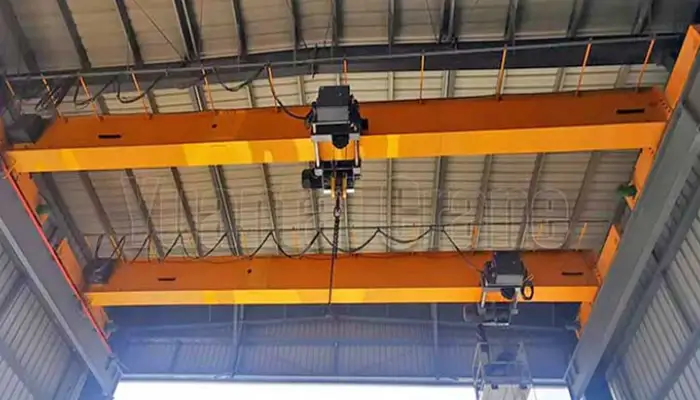
Single Girder Overhead Cranes (5–10t Range)
Basics of 10 ton electric hoist crab trolley for UAE
- Best suited for: Workshop areas, light maintenance zones, equipment repair bays
- Typical capacity: 5 ton to 10 ton overhead cranes
- Typical configuration: Electric wire rope hoist, standard travel system, basic IP55 protection
- Working environment: Moderate humidity, low to medium dust, controlled indoor conditions
- Practical note: Economical, widely used for pumps, small motors, and general maintenance work. Not designed for heavy mill components or long-span loads.
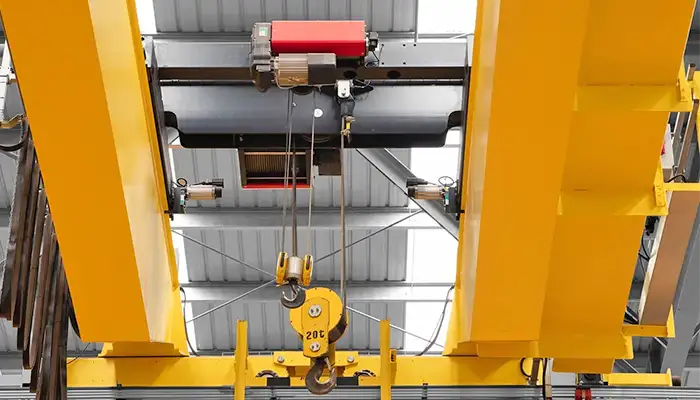
Double Girder Overhead Cranes (10–16t and 16–20t Range)
- Best suited for: Mill house, boiler area, main maintenance workshops
- Typical capacity: 10 ton, 16 ton, up to 20 ton overhead cranes
- Typical configuration: Double girder bridge structure, open winch or heavy-duty hoist, reinforced trolley system
- Working environment: Medium to high dust, humidity exposure, continuous or seasonal heavy-duty operation
- Practical note: Handles gearboxes, reducers, and medium-heavy machinery safely under frequent use. Common choice for main workshops.
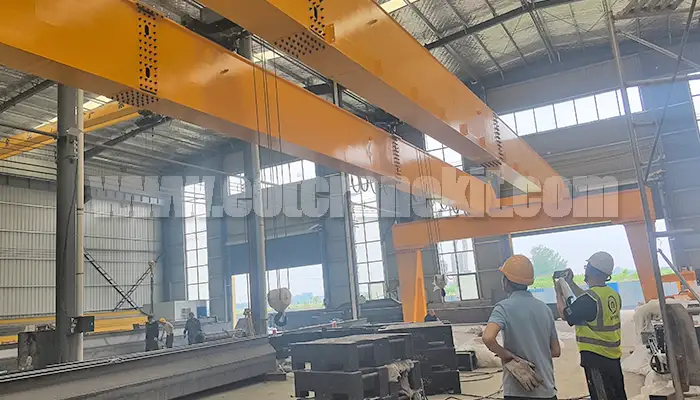
Twin Hoist / Tandem Lifting Cranes (5t+5t or 10t+10t Systems)
- Best suited for: Sugar mill rollers, long shafts, crusher components
- Typical configuration: Two synchronized hoists on a single bridge crane system
- Typical capacity setup: 5t+5t or 10t+10t tandem lifting systems
- Working environment: High vibration areas like mill house and heavy maintenance zones
- Practical note: Keeps long equipment balanced, avoids bending or deformation during installation and removal
- 6 ton+ 6 ton overhead crane with 30 meters span for heavy loads handling up to 12 ton, with tandem lifting
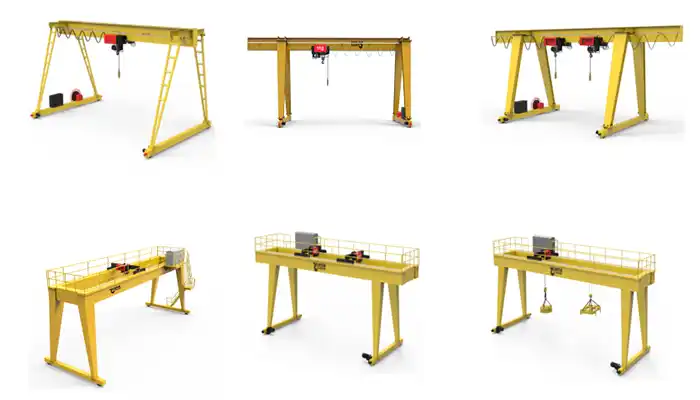
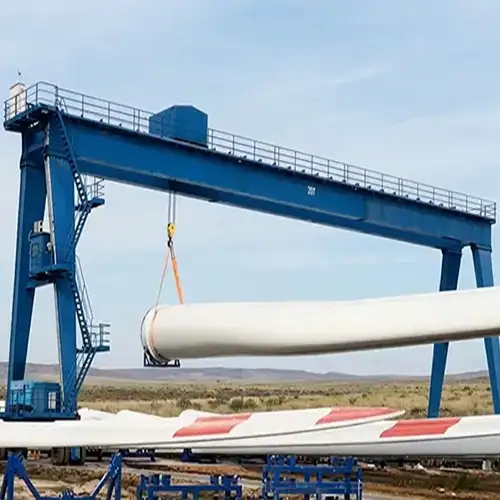
Outdoor Gantry Cranes (10–20t Range for Cane Yard Use)
- Best suited for: single girder gantry crane and double girder gantry crane is desigended for Cane yard, raw material unloading, outdoor maintenance support
- Typical capacity: 10 ton to 20 ton gantry crane systems
- Typical configuration: Double girder gantry structure, weatherproof electrical system, heavy-duty wheels and rail travel system
- Working environment: Rain, dust, wind exposure, strong UV and corrosion risk
- Practical note: Requires strong anti-corrosion coating and sealed electrical systems for continuous outdoor exposure
Practical Buyer Insight: Environment Always Overrides Capacity
In sugar mill projects, crane selection failures usually happen when only tonnage is considered. Real selection depends on:
- Installation location (mill house, workshop, boiler, cane yard)
- Load type (rollers, motors, shafts, pumps)
- Usage frequency (daily maintenance vs seasonal heavy lifting)
- Environmental stress (dust, humidity, heat, corrosion exposure)
Simple comparison:
- A 10 ton crane in a mill house may work under harsher conditions than a 20 ton crane in a dry industrial workshop
- A 5 ton workshop crane may run more frequently than a 16 ton maintenance crane used only during shutdown season
Buyer-Level Outcome
When environment and crane type are correctly matched:
- Electrical failures reduce significantly
- Structural wear slows down
- Maintenance intervals become predictable
- Crane performance remains stable during crushing season
When they are not matched:
- Downtime increases during peak operation
- Maintenance cost rises over time
- Equipment life shortens earlier than expected
In sugar mill crane selection, environment matching is not a design detail—it is part of the core specification for 5–20 ton overhead crane systems.
Engineering Design Features Buyers Must Require (Sugar Mill Overhead Cranes 5–20t)
In sugar mills, crane performance is not decided by capacity alone. A 5 ton, 10 ton, or 20 ton overhead crane can still fail early if the design does not match real working conditions such as corrosion, sugar dust, humidity, and heat.
For this reason, buyers need to focus on engineering details, not only the general specification sheet. The following design points are commonly used in reliable sugar mill overhead crane systems.
Anti-Corrosion Structural Protection
Corrosion protection is the first layer of safety for cranes working in wet and humid sugar mill environments. It directly affects how long the steel structure can remain stable.
In sugar plants, cranes often operate near juice processing areas, washdown zones, or outdoor cane yards where moisture is constant.
- Multi-layer coating system
Typical structure protection uses epoxy primer combined with polyurethane topcoat.
This helps slow down rust formation on main girders, end beams, and welded joints. - Hot-dip galvanizing option for harsh zones
For outdoor cranes or high-humidity areas, galvanizing provides stronger long-term protection.
It is commonly used for 10–20 ton gantry cranes and outdoor overhead crane systems. - Corrosion-resistant fasteners in key joints
Bolts, clamps, and structural connectors are often the first parts affected by corrosion.
Using treated or stainless fasteners improves service life in sugar mill conditions.
Sealed Mechanical Systems
Sugar dust and moisture are always present in sugar mills. Once they enter moving parts, wear increases quickly. That is why sealing is a basic requirement, not an upgrade.
- Fully enclosed motors (TEFC design preferred)
Common in 5–10t and 10–16t overhead crane hoist systems used in workshops and processing areas.
Helps prevent dust from entering motor windings and cooling systems. - Sealed gearbox systems
Gearboxes in double girder overhead cranes (10–20t range) should be fully sealed to reduce contamination and oil breakdown. - Protected braking systems with dust shielding
Brake performance can drop when sugar dust builds up.
Dust-proof brake covers help maintain stable stopping performance during frequent operations.
IP-Rated Electrical Protection
Electrical systems are often the most sensitive part of a sugar mill crane. Moisture, dust, and condensation can easily cause faults if protection is not properly designed.
- IP55 protection minimum for general workshop cranes
Common for 5–16 ton overhead cranes in maintenance areas. - IP65 protection for high humidity or washdown zones
Required for juice processing areas and outdoor exposed crane installations, including some 16–20t systems. - Sealed limit switches and industrial cable glands
These components ensure stable signal transmission even in dusty or humid conditions. - Moisture-protected control panels
Control cabinets should be sealed and designed to reduce internal condensation, especially in tropical sugar mill environments.
Heat-Resistant Performance Design
Heat is constant in sugar mills, especially near boiler houses and during continuous crushing operation. Over time, heat affects motor life and lubrication stability.
- Class F or Class H insulation motors
Used in 10–20 ton overhead crane systems operating in high-duty or high-temperature zones. - Heat-resistant gearbox lubricants
Helps reduce oil breakdown during long working cycles in crushing season. - Optimized motor ventilation design
Proper airflow design helps prevent overheating in hoist and trolley motors, especially in double girder cranes used for continuous lifting.
Practical Buyer Insight
In real sugar mill projects, these design features are not optional upgrades. They are part of the basic requirement for stable operation.
A practical selection approach is:
- Workshop cranes → focus on IP protection and moderate corrosion resistance
- Mill house cranes → focus on sealing, heat resistance, and structural strength
- Outdoor cranes → focus on galvanizing, weather protection, and full electrical sealing
In sugar mill overhead crane systems (5–20t range), long service life depends more on engineering protection design than on rated lifting capacity alone.
Capacity-Based Selection Strategy (5–20t Overhead Cranes for Sugar Mills)
In sugar mills, selecting an overhead crane is not only a matter of "how many tons." A 5 ton, 10 ton, 16 ton, or 20 ton overhead crane will perform very differently depending on workload, operating frequency, and environment. The correct selection comes from matching capacity + duty cycle + sugar plant working conditions.
Below is a practical breakdown used in real sugar mill projects.
5–10 Ton Overhead Cranes (Light Maintenance and Workshop Use)
These cranes are commonly installed in sugar mill workshops and service areas. The work is frequent but not extremely heavy.
- Best for: Routine maintenance work, pump replacement, small motor handling, light fabrication support
- Typical applications in sugar mills: Workshop repair bays, auxiliary maintenance areas, equipment servicing zones
Buyer focus (what matters most):
- Standard corrosion protection suitable for indoor humidity
- Basic but reliable IP55 electrical protection
- TEFC motor design to reduce dust and moisture impact
- Simple and easy maintenance structure
These cranes usually operate more frequently than expected, especially during crushing season support work.
10–16 Ton Overhead Cranes (Main Workshop and Medium Machinery Handling)
This is one of the most common capacity ranges in sugar mill overhead crane systems. It sits in the middle—strong enough for heavy maintenance, but still flexible for general plant operations.
- Best for: Main workshop operations, gearbox handling, reducer replacement, medium machinery maintenance
- Typical applications in sugar plants: Central maintenance workshop, mill support workshop, power distribution maintenance areas
Buyer focus (what matters most):
- Stronger anti-corrosion coating system for longer service life
- Higher duty classification (frequent lifting during maintenance cycles)
- Improved dust protection for motors and brake systems
- Double girder configuration often preferred for stability
In real projects, this range is often considered the "core maintenance crane" of the sugar factory.
16–20 Ton Overhead Cranes (Heavy Maintenance and Mill House Operations)
This is the heavy-duty range used in critical sugar mill operations. The loads are large, and often not symmetrical. Operations usually happen during shutdown or peak maintenance periods.
- Best for: Sugar mill rollers, long shafts, crusher components, heavy mechanical assemblies, shutdown maintenance work
- Typical applications in sugar mills: Mill house, crushing section, heavy equipment maintenance zones, major overhaul areas
Buyer focus (what matters most):
- Twin hoist or synchronized lifting system (5t+5t, 10t+10t) for long loads
- Reinforced double girder structure for stability under heavy duty cycles
- Full environmental protection system (dust, humidity, corrosion, heat)
- High duty classification suitable for continuous seasonal operation
In many sugar plant projects, this crane is the most critical during shutdown season. If it fails, the entire maintenance schedule is delayed.
Practical Selection Insight for Sugar Mill Buyers
In real sugar mill crane planning, capacity selection follows working logic, not just tonnage numbers.
- 5–10t cranes → daily maintenance support
- 10–16t cranes → main workshop backbone
- 16–20t cranes → heavy shutdown and mill equipment handling
But more importantly, sugar mill buyers must always combine:
- Load capacity (tonnage)
- Working environment (dust, humidity, heat, corrosion)
- Duty cycle (daily use vs seasonal heavy lifting)
Because in sugar plants, a properly selected 10 ton overhead crane can sometimes be more critical than a 20 ton crane used only occasionally.
In practical engineering terms, correct capacity selection reduces downtime, improves maintenance efficiency, and keeps the sugar production line running during the most important operating season.
Maintenance Strategy for Sugar Mill Overhead Cranes (5–20t)
In sugar mills, crane maintenance is not something done only when a problem appears. The working environment—dust, humidity, heat, and corrosion—means 5 ton to 20 ton overhead cranes need a fixed maintenance rhythm. If this routine is followed properly, most unexpected downtime can be avoided during the crushing season.
In real operations, maintenance is not complicated. It is consistent work done at different time intervals.
Routine Maintenance (Daily / Operational Level)
This is the most basic but most important layer of maintenance. Sugar dust builds up quickly, so daily cleaning is not optional.
- Remove sugar dust from motors, brakes, and trolley surfaces
- Check for abnormal noise, vibration, or heating during operation
- Look at visible corrosion spots on girders, hooks, and exposed joints
- Confirm smooth movement along runway rails
This step is often done by crane operators or workshop staff. It does not take long, but it prevents small issues from turning into bigger problems.
Preventive Maintenance (Weekly / Scheduled Service)
Weekly maintenance focuses on keeping mechanical and electrical systems stable under continuous use. This is especially important for double girder overhead cranes used in 10–20 ton sugar mill applications.
- Lubricate wire ropes, wheels, and moving joints
- Adjust and test brake performance for stable stopping
- Tighten electrical terminals to prevent loose connections
- Inspect control panels and check for early signs of moisture or dust entry
This level of maintenance is usually done by maintenance technicians. It supports stable crane performance during long working cycles.
Shutdown Maintenance (Seasonal / Overhaul Period)
Shutdown maintenance is the most detailed level. It usually happens during off-season or planned plant stoppage, when cranes like 16–20 ton mill house cranes or twin hoist systems are inspected deeply.
- Full inspection of crane structure for corrosion or weld fatigue
- Motor insulation testing to check heat and humidity damage
- Gearbox oil replacement and internal condition check
- Re-coating or repainting of exposed steel structures
- Inspection of hooks, ropes, and critical load-bearing parts
This stage is important because sugar mills often operate cranes heavily during a short crushing period, then leave them idle. That cycle creates hidden wear that only shows during shutdown checks.
Practical Buyer Insight
In sugar mill environments, maintenance is not just about fixing faults. It is about keeping the crane ready for the next production cycle.
- Daily maintenance → controls dust and early warning signs
- Weekly maintenance → keeps mechanical and electrical systems stable
- Shutdown maintenance → extends service life and prevents major failures
For sugar mill overhead cranes (5–20t range), consistent maintenance is often the difference between stable operation and unexpected breakdown during peak crushing season.
Your Trusted Overhead Crane Manufacturer & Supplier
Regional Design Differences -Critical for Sugar Mill Overhead Crane Buyers
Sugar mills are not located in a uniform environment. A crane designed for one region may perform poorly in another if the environmental conditions are not considered during selection. For 5–20 ton overhead cranes used in sugar plants, regional climate has a direct impact on corrosion rate, electrical stability, and mechanical wear.
In practice, the same crane specification can behave very differently in tropical and semi-arid regions.
Tropical Sugar Plants (High Humidity + Frequent Rain Exposure)
Tropical sugar mills are typically exposed to continuous humidity, seasonal rainfall, and warm air conditions. Moisture is present almost all year, even when the crane is idle.
This creates a long-term risk of corrosion and electrical instability if the crane is not properly designed.
Environmental characteristics: High humidity, frequent rain exposure, condensation during idle periods
Main risks for overhead cranes:
- Accelerated corrosion on steel structures and welded joints
- Moisture ingress into control panels and junction boxes
- Condensation inside motors during standby periods
- Electrical instability in limit switches and control systems
Typical crane requirements (5–20t range):
- Strong anti-corrosion system (epoxy + polyurethane coating or hot-dip galvanizing)
- Higher IP-rated electrical protection (IP55 minimum, IP65 for high-risk zones)
- Sealed control panels with anti-condensation design
- Moisture-resistant cable glands and fully enclosed motors (TEFC design)
Common crane configurations used:
- 5–10t single girder cranes for workshop and light maintenance
- 10–16t double girder cranes for main maintenance areas
- 16–20t double girder or twin hoist cranes for mill house operations
In tropical regions, corrosion and electrical protection are usually more critical than lifting capacity itself.
Semi-Arid Sugar Plants (High Dust + High Heat Environment)
Semi-arid sugar mills operate under a completely different challenge. Instead of moisture, the main issues are dust accumulation and continuous heat exposure.
These conditions slowly affect motor cooling, braking performance, and gearbox reliability.
Environmental characteristics: Dry air, high ambient temperature, heavy airborne dust
Main risks for overhead cranes:
- Dust blockage in motor cooling systems
- Brake contamination and reduced braking efficiency
- Faster degradation of lubricants in gearboxes
- Increased motor overheating during long duty cycles
Typical crane requirements (5–20t range):
- Fully enclosed TEFC motors with strong ventilation design
- Dust-proof brake systems with protective covers
- Heat-resistant insulation (Class F or Class H motors)
- High-performance cooling and lubrication stability systems
Common crane configurations used:
- 5–10t cranes for maintenance and light workshop use
- 10–16t double girder cranes for general plant operations
- 16–20t cranes for heavy mechanical handling during shutdown periods
In these regions, thermal management and dust protection are more important than corrosion resistance.
Practical Buyer Insight
Regional climate directly changes how a sugar mill overhead crane (5–20t) should be designed and specified.
A simple comparison:
- Tropical plants → focus on corrosion + moisture + electrical sealing
- Semi-arid plants → focus on dust protection + heat resistance + motor cooling
Ignoring these differences often leads to:
- Early electrical failures
- Reduced motor and gearbox lifespan
- Unexpected downtime during crushing season
- Higher long-term maintenance cost
In real sugar mill projects, regional adaptation is not an optional upgrade. It is a basic requirement for stable crane operation.
Conclusion
Selecting a 5–20 ton overhead crane for sugar mills is not a routine equipment purchase. It is more accurately a climate-driven engineering decision, where the working environment defines the real performance requirements of the crane.
Sugar plants combine corrosion, dust, humidity, and heat in one operating system. Because of this, crane performance is never determined by tonnage alone. It depends on how well the design matches these environmental conditions in actual field operation.
What Buyers Gain from Correct Selection
When the crane is properly matched to sugar mill conditions, the operational results are clear and measurable:
- Stable lifting performance during the crushing season
- Lower maintenance workload over the full service life
- Reduced risk of unexpected shutdowns during peak production
- Longer structural and mechanical service life of the crane system
These outcomes are especially important in mill house, boiler area, workshop, and cane yard operations, where crane downtime directly affects production flow.
A well-designed sugar mill overhead crane system (5–20t range) is not only a lifting tool. In practical plant operation, it becomes part of the production reliability chain.
When corrosion protection, dust control, humidity sealing, and heat resistance are correctly applied, the crane stops being a maintenance concern and becomes a stable support system for continuous sugar production.


Yuantai Cranes
Overhead Crane Manufacturer with CE, ISO, SGS, CNEX Certificates.
- Main Specifications - Capacity: 0.5–550 tons | Span: up to 40m | Speed: 0.8–12 m/min | Duty: A3–A7 | Power: 380–690V, 50/60Hz | Control: pendant/remote/cabin
- Full engineering: FEA/PLC/VFD + in-house build + global delivery + on-site support, for workshops, factories, EPC contractors, industrial projects, etc.
- Support: design, manufacturing, testing, service – end-to-end, customized lifting solutions worldwide.
How to Get an Accurate Crane Price for Your Application?
Tips: Copy the spec list, fill in your details, and paste it into the form on the right/ down-below for a quick price.
- Crane type:_____ . (e.g., overhead crane, gantry crane, jib crane)
- Max weight to lift:_____ tons. (e.g., 2t, 5t, 10t, 20t, 50t)
- Lifting height:_____ m. (How high does the hook need to reach?
- Workshop width (span):_____ m . (Distance between the two crane rails)
- Travel distance:_____ m . (How long does the crane need to move along the runway?)
- Control type:_____. (Pendant / remote / cabin Control)
- Power supply:_____. (Local voltage & frequency – e.g., 380V, 50Hz, 3-phase)
- What will it be used for?_____ (e.g., steel fabrication, concrete products, mold handling, general manufacturing, etc.)
- Any special requirements?_____ (e.g., extreme temperature, dusty or explosive environment, special paint color, etc.)
Just leave a message via the contact form and our hoist and crane engineer will contact you with in 24working hours.
Get Your Custom Quote–Quick & Easy
Fill in what you know. Skip what you don't – we'll help.Any question will be reply with 24 working hours