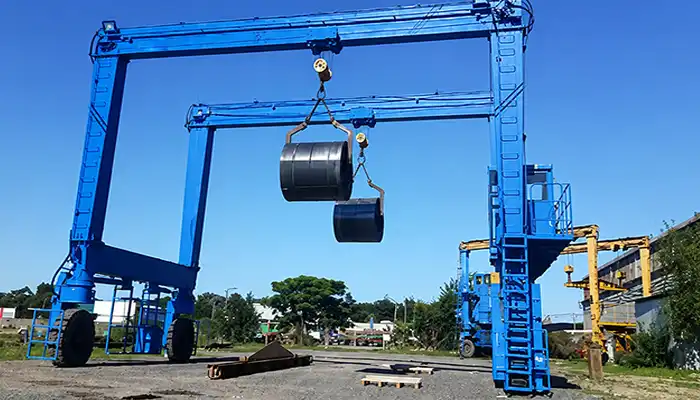
Steel Coil Handling Challenges in RTG Crane Operations
Content Quick Link
Proper handling, preventive maintenance, and operator training ensure safe and efficient RTG crane operations in steel coil yards. A: Use the correct lifting tools and follow proper handling procedures. A: Balance the load and use cranes with anti-sway controls for smoother lifts. A: Regularly inspect yard surfaces and reinforce areas prone to sinking or unevenness. A: Implement preventive maintenance and rotate operators strategically. A: Use weather monitoring tools and train operators for safe handling in all conditions. A: Provide regular hands-on training and enforce clear communication protocols. Understanding proper steel coil handling is essential for safety, efficiency, and equipment longevity in RTG crane operations. Handling steel coils in a yard is not just about moving heavy loads from one place to another. RTG cranes lift and transport coils that can weigh several tons each, and any mishandling can quickly become costly. Damage to a coil doesn't just affect a single piece—it can disrupt production schedules, increase scrap, and create safety risks for workers. For yard managers and crane operators, understanding the nuances of coil handling is crucial. It's about keeping operations smooth, protecting materials, and ensuring that every lift is done safely. A well-organized yard with trained operators and properly maintained cranes reduces accidents, downtime, and unnecessary stress on equipment. Steel coil handling may seem straightforward, but several practical challenges can slow down operations or create risks. Most issues stem from real-world conditions rather than theoretical problems. Some of the most frequent challenges include: These are not hypothetical—they happen in everyday operations and directly affect yard productivity, coil quality, and safety. This guide is designed for steel mill managers, yard supervisors, and crane operators who want practical, actionable solutions. By understanding each challenge and knowing how to address it, you can improve safety, reduce material damage, and make crane operations more predictable.Key Takeaways
Q1: How can I prevent coil surface damage during lifting and stacking?
Q2: How do I minimize load swing and instability in high-frequency RTG crane operations?
Q3: How can I address ground settlement issues that affect RTG crane stability?
Q4: How do I reduce mechanical fatigue from continuous crane operation?
Q5: How can I mitigate weather impacts in outdoor coil yards?
Q6: How can I improve operator performance and training to prevent errors?
Introduction
Why Safe and Efficient Steel Coil Handling Matters
Common Operational Challenges in Steel Coil Yards
Purpose of This Guide
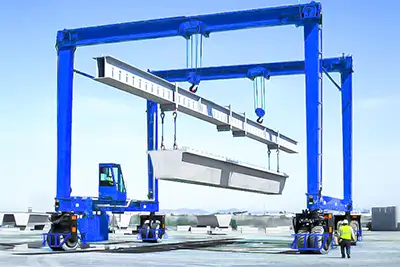
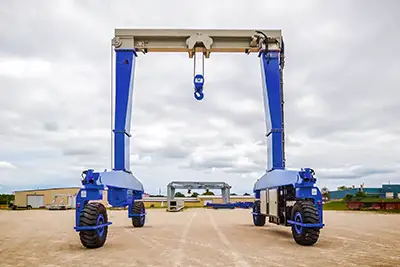
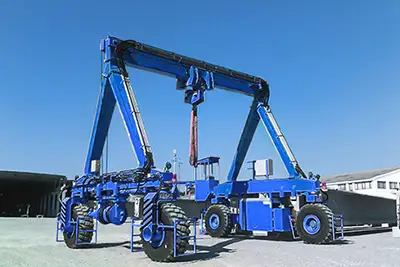
Types of Rubber Tyred Gantry Cranes for Steel Coils
In steel coil handling, different yards need different types of rubber tyred gantry cranes. The right choice depends on coil weight, working speed, yard layout, and how often the crane is used.
Rubber Tyred Gantry Crane can be built in several versions, each designed for a specific working condition.
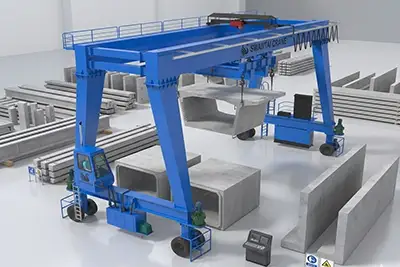
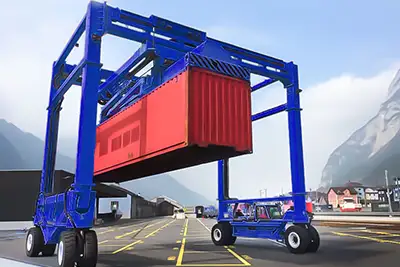
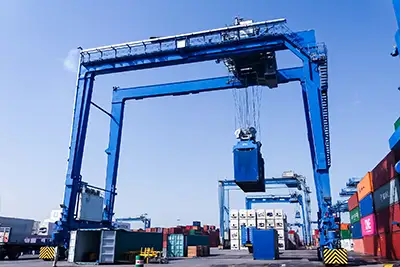
Coil Surface Damage Issues
Understanding the causes, impacts, and solutions for steel coil surface damage helps maintain product quality and operational efficiency.
Causes
Steel coils are heavy, expensive, and often delicate on the edges. Even minor mishandling can leave scratches, dents, or surface imperfections that affect the quality of the final product. In real yards, there are a few common reasons this happens:
- Using inappropriate lifting tools: Not all C-hooks, coil grabs, or clamps are made the same. If the tool isn't matched to the coil's size, weight, or surface type, it can leave marks or even bend the edges.
- Abrasive surfaces or rough handling: Coils sometimes have rusty edges, mill scale, or other rough surfaces. Dragging or letting them bump along the yard surface during transport can scratch or dent them.
- Collisions with other coils or yard structures: In tight spaces, coils can knock into each other or rails, beams, and walls if the crane operator isn't careful, causing both cosmetic and structural damage.
In short, surface damage often comes from a combination of tool selection, handling technique, and the physical environment.
Impact
Surface damage may seem minor at first, but its effects ripple through operations:
- Reduced steel quality: Scratched or dented coils may not meet customer specifications, leading to rejected material.
- Increased scrap rates: Damaged coils often need to be trimmed or discarded, adding to waste and costs.
- Operational delays: Handling damaged coils or sorting out acceptable vs. rejected material slows down production schedules.
- Higher handling costs: Fixing or replacing damaged coils increases labor, equipment use, and transportation costs.
Even small scratches on expensive coils can translate into significant financial and operational setbacks for a yard.
Solutions
Preventing coil surface damage requires a combination of proper equipment, operator skill, and consistent procedures. Practical steps include:
- Use tailored lifting tools: Choose C-hooks, coil grabs, or padded lifting devices that match the coil's weight, diameter, and surface condition. Padding or rubber inserts can reduce direct metal-to-metal contact.
- Train operators on precision handling: Operators should know exactly where to place hooks and grabs, how to lift smoothly, and how to avoid swinging the load into nearby objects.
- Implement standard operating procedures (SOPs): Clear rules for lifting, moving, and stacking coils help reduce mistakes. Include checks for coil condition, yard obstacles, and tool suitability before every lift.
- Inspect coils on arrival and before storage: Catching surface defects early allows for corrective action before damage spreads or affects operations.
Load Swing and Instability
Understanding causes, impacts, and solutions for load swing helps keep RTG crane operations safe and efficient.
Causes
Load swing and instability are some of the most common problems RTG crane operators face in steel coil yards. Even experienced operators can struggle when conditions are less than ideal. The main reasons this happens include:
- Sudden acceleration or deceleration: When a crane starts or stops too quickly, the coil can swing like a pendulum. Even small swings can knock against other coils, equipment, or yard structures.
- Uneven coil weight distribution: Coils are not always perfectly balanced, especially if they are partially unwrapped or bundled irregularly. Lifting a slightly off-center load increases instability.
- Tight yard layouts: In yards where space is limited, operators may need to make abrupt turns or maneuvers. This can exaggerate swinging, especially with heavy coils.
- Improper crane control settings: If the crane's acceleration, braking, or anti-sway controls are not set correctly for the load and yard conditions, swing becomes more difficult to manage.
Load swing is rarely caused by one factor alone—it's usually a combination of crane settings, operator technique, and yard conditions.
Impact
The consequences of load swing extend beyond just inconvenience:
- Safety hazards: Swinging loads can hit personnel, other equipment, or even nearby structures, creating serious injury risks.
- Coil damage: Even minor swings can scratch, dent, or deform expensive steel coils. Over time, repeated swings increase scrap rates.
- Inefficient operations: Operators need to pause and correct swings, slowing down crane cycles and disrupting yard productivity.
Unchecked load instability can affect both the safety and efficiency of the entire yard operation.
Solutions
Preventing and controlling load swing requires the right combination of equipment, procedure, and operator awareness:
- Equip RTG cranes with anti-sway technology: Modern RTG cranes often include automatic or semi-automatic anti-sway systems. These systems stabilize the load during lifting and travel.
- Use smooth acceleration and deceleration controls: Gradually starting and stopping the crane reduces momentum, keeping coils from swinging.
- Maintain consistent load distribution: Check coil placement before lifting. Ensure hooks or grabs are centered and the coil is balanced.
- Implement speed limits and safe operational zones: Set maximum crane speeds depending on load weight and yard layout. Restrict operation in tight areas to reduce abrupt maneuvers.
- Operator training: Teach operators to anticipate swings and adjust movements accordingly. Practice drills with empty loads can help build skill without risking material.
Ground Settlement Problems
Understanding causes, impacts, and solutions for ground settlement helps maintain RTG crane stability and yard efficiency.
Causes
Ground conditions are often overlooked, but they play a huge role in RTG crane stability. Even a well-maintained crane can struggle if the yard beneath it is uneven or weak. Common causes of ground settlement issues include:
- Soft soil or uneven surfaces: Some yards are built on clay or sandy soil that compresses under the heavy loads of steel coils and cranes. Over time, this causes dips or uneven areas.
- Concentrated heavy loads: Repeatedly parking or moving fully loaded cranes over the same spots can compact the ground in certain areas, creating uneven surfaces.
- Seasonal changes: Rain, frost, or dry periods can expand or shrink soil, creating small shifts that affect crane alignment and movement.
Ground settlement is a subtle problem—it doesn't always show immediately, but the consequences accumulate over time if left unaddressed.
Impact
The effects of uneven or unstable ground go beyond minor inconvenience:
- Crane instability and uneven lifting: A small dip or slope can tilt the crane or cause the load to swing unexpectedly, creating safety hazards.
- Increased wear on equipment: Wheels, rails, and crane mechanisms experience uneven stress, which shortens their lifespan and increases maintenance costs.
- Operational delays: Cranes may need slower movements or frequent alignment adjustments to compensate for ground irregularities, slowing yard operations.
Ignoring ground conditions can lead to unexpected downtime and higher operational expenses.
Solutions
Addressing ground settlement requires both preventive measures and ongoing maintenance:
- Regular ground surveys: Periodically inspect the yard to detect dips, soft spots, or uneven areas. Early detection prevents bigger problems later.
- Ground reinforcement: Add compacted gravel, reinforced concrete, or other stabilizing layers under high-load zones to reduce settlement.
- Load distribution mats or reinforced pavements: Placing mats or strengthening pavement in areas with heavy crane traffic helps spread the weight and protect the ground.
- Routine crane inspections: Check crane alignment and wheel wear regularly. Adjustments can prevent small ground issues from escalating into major problems.
- Plan load movement patterns: Rotate where fully loaded cranes travel or park to avoid repeatedly stressing the same ground areas.
High-Frequency Operation Fatigue
Understanding causes, impacts, and solutions for fatigue helps maintain RTG crane performance and operator safety.
Causes
Steel coil yards often run around the clock, and RTG cranes are expected to handle dozens—or even hundreds—of lifts per day. Over time, this high-frequency operation can lead to fatigue in both equipment and operators. Common causes include:
- Continuous lifting cycles without breaks: When cranes operate non-stop, motors, gears, and hoists experience constant stress. Without scheduled downtime, this accelerates wear.
- Overused mechanical components: High operational demand strains critical parts like wheels, brakes, bearings, and hydraulic systems. Even well-built cranes are vulnerable if used intensively without monitoring.
- Operator strain: Repetitive tasks with little rest can reduce focus, increase reaction time, and make mistakes more likely.
In short, high-frequency operations push both machines and people beyond their natural limits if not managed properly.
Impact
The consequences of fatigue can affect safety, reliability, and productivity:
- Equipment breakdowns: Overstressed components are more likely to fail, causing unplanned downtime and costly repairs.
- Reduced crane lifespan: Constant high loads without maintenance reduce the overall service life of the crane.
- Operator fatigue and human error: Tired operators are more prone to mistakes, which can lead to coil damage, accidents, or slower operations.
- Disrupted schedules: A breakdown or operator error can halt production, delaying shipments and impacting yard efficiency.
Managing fatigue is critical to keeping both equipment and personnel performing consistently.
Solutions
Preventing high-frequency operation fatigue requires a mix of planning, monitoring, and operational discipline:
- Preventive maintenance schedules: Set maintenance routines based on actual crane usage, not just calendar intervals. Components like hoists, brakes, and motors should be checked and serviced regularly.
- Automated monitoring: Use sensors or condition-monitoring systems to track temperature, vibration, or wear in critical components. Early alerts can prevent major failures.
- Operator rotation and rest periods: Plan shifts so that no operator is working continuously at high intensity. Short breaks and rotation between tasks help maintain focus and safety.
- Load management: Avoid continuously lifting the heaviest coils without giving equipment a short recovery period. Spreading the load and planning lifts strategically reduces wear.
- Training for fatigue awareness: Operators should recognize early signs of fatigue and know when to pause or request assistance.
Weather Impact in Outdoor Yards
Understanding how rain, wind, ice, and temperature extremes affect RTG crane safety, efficiency, and equipment lifespan.
Causes
Operating RTG cranes in outdoor steel coil yards exposes equipment and personnel to changing weather conditions. Weather can affect not just safety, but also efficiency and equipment lifespan. Common causes of weather-related challenges include:
- Rain, ice, or snow: Wet or icy surfaces reduce traction for RTG cranes, making precise maneuvers difficult. Slippery ground increases the risk of swinging loads or skidding wheels.
- High winds: Even moderate winds can cause coils to sway dangerously while lifted, especially when handling tall or partially unwrapped loads. Strong gusts can make control difficult, posing safety hazards.
- Extreme temperatures: Very hot or cold weather affects hydraulic systems, lubricants, and electrical components. Cold can make hydraulics sluggish, while heat can overwork motors and sensors.
In short, outdoor conditions create variables that operators cannot control, and ignoring them can quickly lead to accidents or damage.
Impact
The consequences of adverse weather are both immediate and long-term:
- Operational delays: Lifts may need to be slowed or temporarily paused in unsafe conditions, reducing yard productivity.
- Safety hazards: Slipping wheels, swinging coils, and overstrained systems put operators and ground personnel at risk.
- Increased maintenance costs: Moisture, frost, or heat accelerates wear on moving parts, brakes, and electrical components.
- Reduced equipment lifespan: Repeated exposure to harsh weather without protection shortens the service life of cranes.
Weather-related problems are often subtle at first, but repeated exposure can compound costs and risk over time.
Solutions
Managing weather impacts requires preparation, technology, and operator awareness:
- Install weather monitoring systems: Wind alarms, rain sensors, and temperature monitors alert operators when conditions exceed safe limits. Automated warnings help prevent unsafe lifts before an accident occurs.
- Use cranes rated for local conditions: Ensure that RTG cranes are designed for the typical weather extremes in your yard. Reinforced hydraulics, temperature-resistant electronics, and corrosion protection make a noticeable difference.
- Train operators on adverse weather handling: Operators need clear instructions for handling coils in wind, rain, snow, or extreme temperatures. Practicing slow lifts, using anti-sway controls, and adjusting speed can prevent accidents.
- Plan for seasonal variations: Schedule critical lifting tasks during predictable weather windows when possible. Avoid high-risk maneuvers during storms or icy conditions.
- Protect equipment where possible: Cover sensitive components and apply lubricants suited to temperature extremes to reduce wear and prevent system failure.
Operator Error and Training Issues
Understanding the causes, impacts, and practical solutions to reduce operator mistakes in RTG crane operations.
Causes
Even the best RTG cranes are only as effective as the operators controlling them. Mistakes in handling steel coils are surprisingly common and often preventable. Key causes include:
- Poor placement of lifting devices: If hooks, C-hooks, or coil grabs are not positioned correctly, coils can swing, tilt, or get damaged during lifting. Small misalignments create larger problems when multiplied across many lifts.
- Ignoring anti-sway or load limitations: Overlooking crane limits or bypassing anti-sway controls may seem faster but increases risk to the load, the equipment, and the operator.
- Lack of communication with ground personnel: Misunderstandings between the crane operator and the spotters on the ground can lead to collisions, mishandling, or unsafe movements.
Operator error is often a combination of insufficient training, inattention, or unclear procedures—not just individual mistakes.
Impact
The effects of operator mistakes are immediate and far-reaching:
- Increased coil damage: Poor lifting or placement can scratch, dent, or deform coils, leading to higher scrap rates.
- Accidents and safety risks: Swinging or unstable loads pose serious hazards to operators and yard staff.
- Reduced efficiency: Misplaced or mishandled coils slow down yard operations and disrupt production schedules.
- Higher operational costs: Damaged materials, emergency repairs, and slower operations all add up.
Consistently trained operators are key to reducing these risks and maintaining smooth yard operations.
Solutions
Minimizing operator error requires a structured approach combining training, monitoring, and clear processes:
- Regular operator certification and refresher training: Operators should undergo periodic evaluations and hands-on practice with both standard and challenging lifts. Skills need to be reinforced over time.
- Real-time monitoring and feedback systems: Cameras, sensors, or crane telematics can provide immediate alerts when loads are swinging too much or limits are exceeded. This allows operators to correct issues before damage occurs.
- Clear Standard Operating Procedures (SOPs): Every lift should follow a documented process. SOPs should cover load positioning, crane limits, communication protocols, and contingency procedures.
- Encourage teamwork and communication: Operators and ground staff should have clear signals, radios, or other communication tools to coordinate every movement.
- Scenario-based drills: Practicing emergency stops, high-load maneuvers, or restricted space operations builds operator confidence and reduces errors in real situations.
With structured training, real-time monitoring, and strict procedures, operator errors can be greatly reduced. This not only protects coils and equipment but also keeps yard operations smooth and predictable.
Conclusion
Steel coil handling with RTG cranes is a complex operation that touches every aspect of a yard—from equipment to operators, ground conditions, and even the weather. Each lift carries risk, and small mistakes or overlooked issues can quickly multiply into costly problems.
By identifying and addressing the main challenges—coil surface damage, load swing and instability, ground settlement, high-frequency fatigue, weather impacts, and operator errors—yards can significantly improve both safety and efficiency.
A few practical reminders for maintaining smooth operations:
- Invest in the right equipment: Tailor hooks, grabs, and cranes to the coil sizes and yard conditions. Anti-sway and monitoring systems make a big difference.
- Train operators consistently: Skill refreshers, scenario-based drills, and clear communication protocols reduce mistakes and improve confidence.
- Maintain equipment and yard surfaces: Preventive maintenance, regular inspections, and reinforced ground minimize downtime and extend equipment life.
- Plan operations thoughtfully: Scheduling lifts, rotating high-load tasks, and adjusting for weather keep operations predictable and safe.
In the end, efficient and safe RTG crane operations are the result of combining proper equipment, operator training, yard planning, and maintenance practices. When all these elements work together, steel coil handling becomes smoother, safer, and more cost-effective, ensuring long-term success for the yard and the business.

Article by Bella ,who has been in the hoist and crane field since 2016. Bella provides overhead crane & gantry crane consultation services for clients who need a customized overhead travelling crane solution.Contact her to get free consultation.
Yuantai Cranes
Overhead Crane Manufacturer with CE, ISO, SGS, CNEX Certificates.
- Main Specifications - Capacity: 0.5–550 tons | Span: up to 40m | Speed: 0.8–12 m/min | Duty: A3–A7 | Power: 380–690V, 50/60Hz | Control: pendant/remote/cabin
- Full engineering: FEA/PLC/VFD + in-house build + global delivery + on-site support, for workshops, factories, EPC contractors, industrial projects, etc.
- Support: design, manufacturing, testing, service – end-to-end, customized lifting solutions worldwide.
How to Get an Accurate Crane Price for Your Application?
Tips: Copy the spec list, fill in your details, and paste it into the form on the right/ down-below for a quick price.
- Crane type:_____ . (e.g., overhead crane, gantry crane, jib crane)
- Max weight to lift:_____ tons. (e.g., 2t, 5t, 10t, 20t, 50t)
- Lifting height:_____ m. (How high does the hook need to reach?
- Workshop width (span):_____ m . (Distance between the two crane rails)
- Travel distance:_____ m . (How long does the crane need to move along the runway?)
- Control type:_____. (Pendant / remote / cabin Control)
- Power supply:_____. (Local voltage & frequency – e.g., 380V, 50Hz, 3-phase)
- What will it be used for?_____ (e.g., steel fabrication, concrete products, mold handling, general manufacturing, etc.)
- Any special requirements?_____ (e.g., extreme temperature, dusty or explosive environment, special paint color, etc.)
Just leave a message via the contact form and our hoist and crane engineer will contact you with in 24working hours.
Get Your Custom Quote–Quick & Easy
Fill in what you know. Skip what you don't – we'll help.Any question will be reply with 24 working hours