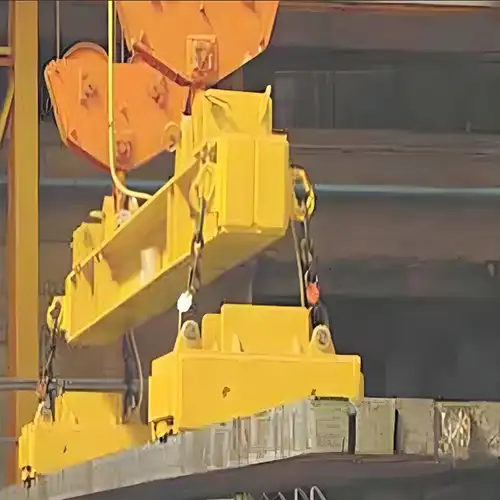
How Magnetic Cranes are Revolutionizing Metal Handling in Steel Mills and Recycling Plants
Magnetic cranes improve efficiency, safety, and sustainability in steel mills and recycling plants, transforming metal handling processes.
| Crane Type | Magnetic Overhead Crane / Electromagnetic Overhead Crane- 5–50+ ton. Span: 7.5–40 m+ · Lift: 6–30 m+ · ISO A3–A8 / FEM 1Am–5m · Electromagnet / Permanent Magnet · 380/400/415/440/480V, 3 Ph, 50/60 Hz , Material: Scrap / Billets / Ingots / Plates / Coils |
| Crane Capacity | 5–50+ ton typical, with larger capacities available by engineering design; rated capacity must account for the complete lifted load and magnet system |
| Span Length | 7.5–40 m+ typical overhead crane span; actual span is determined by runway layout and required coverage |
| Lifting Height | 6–30 m+ typical; selected according to material storage height, required hook/magnet position and building clearance |
| Coverage Area Type | Rectangular: production bays and storage areas · Linear: steel processing lines and transfer areas · Loading Zones: truck and material loading areas · Yard Areas: outdoor scrap and steel storage |
| Application | Steel mills, steel stockyards, scrap yards, recycling plants, metal processing, billet and ingot handling, steel plate and coil handling |
| Certifications | CE / ISO / SGS / Other third-party inspection |
| Customization | Girder: Single / Double Girder · Magnet: Electromagnet / Permanent Magnet · Control: Pendant / Radio Remote / Cabin / PLC · Environment: Indoor / Outdoor / High Temperature / Dusty / Corrosive · Material: Scrap / Billets / Ingots / Plates / Coils |
Crane Manufacturer: Yuantai Cranes – 30+ Years Professional Crane Manufacturer from China
Category: Featured
Tags: magneticcrane
Your Trusted Overhead Magnetic Crane Manufacturer & Supplier
How Magnetic Cranes are Revolutionizing Metal Handling in Steel Mills and Recycling Plants
Magnetic cranes improve efficiency, safety, and sustainability in steel mills and recycling plants, transforming metal handling processes.
Overview of Metal Handling in Steel Mills and Recycling Plants
Metal handling is a key part of operations in both steel mills and recycling plants, where heavy metals need to be moved safely and quickly to keep production running smoothly. In these industries, the way metal is handled can affect both safety and productivity.
- Steel Mills: In steel mills, metals like scrap, steel billets, and coils must be moved through different stages of production. Traditional methods of handling, like using hooks or mechanical grabs, can be slow and can cause delays, especially when lifting large or hot metal objects. These methods also carry a higher risk of injury because workers often have to manually guide or lift materials. Additionally, handling hot metal requires specialized equipment to ensure safety and avoid accidents.
- Recycling Plants: In recycling plants, large amounts of scrap metal need to be sorted and processed. This includes ferrous metals like steel and iron, which are melted down and reused. Scrap metal often comes in irregular shapes and sizes, making it more difficult to handle. Using traditional cranes and mechanical grabs can be slow, and it requires more human labor, which can increase the chance of injury. Efficient handling is crucial for fast processing and higher material recovery rates.
Traditional Methods vs. Innovative Solutions
Traditional Methods: Traditionally, steel mills and recycling plants have relied on hook-based cranes, mechanical grabs, or chains to move metal. These methods are effective but come with some downsides:
- Slower operation due to the need for manual adjustments.
- Higher risk of injury, as workers often have to guide the loads or handle them directly.
- More wear and tear on equipment, leading to increased maintenance and downtime.
Innovative Solutions: As these industries strive for better efficiency and safety, magnetic cranes are becoming a popular alternative. Magnetic cranes use magnets to lift ferrous metals, removing the need for manual intervention. This makes the process faster, safer, and more efficient. Magnetic cranes can also handle large, irregularly shaped metal objects with ease, reducing the chances of material damage or spillage.
Basics of Magnetic Cranes
Magnetic cranes are specialized lifting devices that use magnets to move ferrous metals. Unlike traditional cranes that use hooks or grabs, magnetic cranes use magnets to attach to and lift metal objects. This process is simple, effective, and more precise than traditional methods.
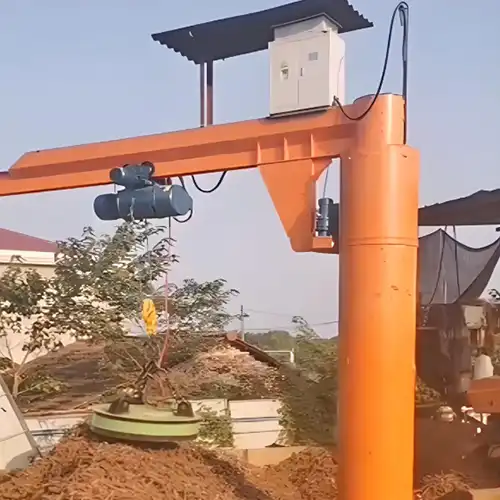
How Magnetic Cranes Work: Magnetic cranes can use electromagnets or permanent magnets to lift metal.
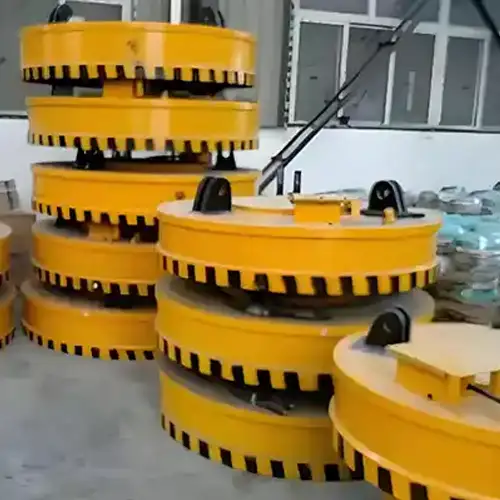
- Electromagnetic cranes use electricity to create a magnetic field, which can be turned on or off as needed. This allows the crane to pick up and release metal easily.
- Permanent magnetic cranes use magnets that maintain a constant magnetic field. These are simpler and energy-efficient, though they are typically used for lighter tasks.
Key Features of Magnetic Cranes:
- Speed and Efficiency: Magnetic cranes can quickly lift and move large metal objects, speeding up the overall process.
- Safety: Since they don't require manual handling of heavy or dangerous materials, the risk of injury is much lower.
- Precision: Magnetic cranes allow for precise placement of metal loads, which is important in both steel mills and recycling plants.
The Growing Adoption in Metal Processing Industries
Magnetic cranes are becoming more common in steel mills and recycling plants because they offer clear advantages over traditional lifting methods. As industries look for ways to improve safety, reduce costs, and increase productivity, magnetic cranes have proven to be a valuable solution.

In Steel Mills: Steel mills deal with heavy, often hot metal, and need cranes that can handle large loads quickly and safely. Magnetic cranes have proven to be highly effective in these environments. They can lift heavy metal billets or scrap metal with ease and precision, helping to keep production moving at a steady pace.
Benefits for Steel Mills:
- Faster lifting speeds, which means more metal can be processed in less time.
- Less manual intervention, reducing the risk of worker injury.
- Lower maintenance costs due to fewer mechanical parts wearing out.

In Recycling Plants: Recycling plants often deal with large volumes of scrap metal, which can be irregular in shape and size. Magnetic cranes are ideal for quickly sorting and lifting scrap metal, which increases efficiency and allows for faster processing of materials.
Benefits for Recycling Plants:
- Magnetic cranes can quickly separate ferrous metals from non-ferrous metals, improving the recycling process.
- They help move bulk scrap metal more efficiently, reducing time and labor costs.
- The automated process minimizes human involvement, ensuring a safer working environment.
With growing interest in automation and improved efficiency, the use of magnetic cranes is expected to continue expanding across these industries. Their ability to lift and move ferrous metals with speed and precision makes them an important tool for modernizing metal handling processes in steel mills and recycling plants.
This version simplifies the explanation, focusing on key points about metal handling and the advantages of magnetic cranes, making it easy to understand without losing important details.
Role of Magnetic Cranes in Metal Handling
Types of Metals Handled
Magnetic cranes are specially designed to handle a variety of ferrous metals in steel mills and recycling plants. These metals, which contain iron, are magnetic, making them ideal for lifting with magnets. Below are the main types of metals handled by magnetic cranes:
- Scrap Metal: Scrap metal, which consists of discarded metal items such as old cars, metal containers, and other waste, is one of the most common materials moved using magnetic cranes. These cranes effectively separate ferrous metals from non-ferrous materials, a crucial step in the recycling process.
- Steel Billets and Ingots: In steel mills, magnetic cranes lift heavy materials like steel billets (short lengths of steel) and ingots (large blocks of metal). These materials are often hot and heavy, requiring precise and safe handling. Magnetic cranes can easily pick up and move them without direct contact, improving both speed and safety.
- Coils, Sheets, and Plates: Steel coils, sheets, and plates are essential final products in steel mills, ready for further processing or shipment. Magnetic cranes can handle these items safely, even if they are large or heavy, without the need for manual intervention, making them more efficient than traditional hook cranes.
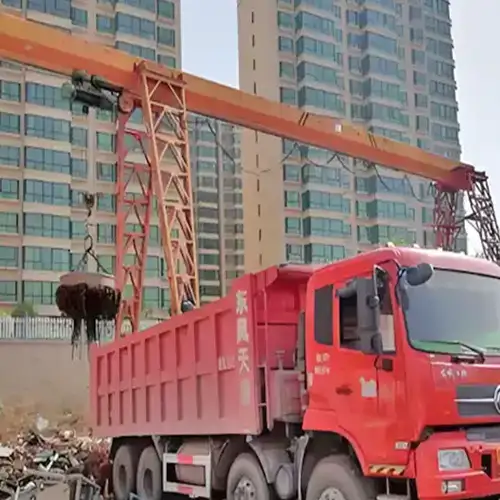
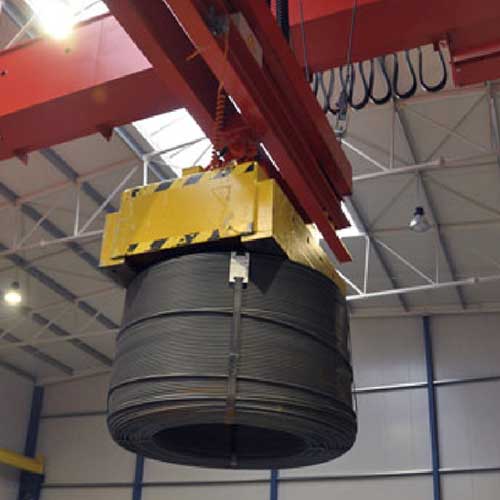
Specialized Handling for Different Grades and Sizes of Metal
Magnetic cranes are versatile enough to handle a wide range of metal types, grades, and sizes, offering specialized solutions for various materials. Here's how they manage different metal types and sizes:
- Heavy Metals vs. Lighter Materials: Magnetic cranes can easily lift heavy materials like steel billets or large scrap metal pieces by adjusting the strength of the magnet. For lighter metals, the crane's magnetic force can be reduced to prevent lifting too much metal at once. This ability to fine-tune lifting capacity ensures the right amount of power is used for different materials.
- Irregularly Shaped Metals: Scrap metal, especially in recycling plants, often comes in irregular shapes. Magnetic cranes are ideal for handling these materials, as their magnets can securely grip objects of various sizes and shapes. This flexibility helps improve the efficiency of sorting and processing, reducing reliance on manual labor.
- Temperature Sensitivity: Steel products like billets and ingots are often handled at high temperatures. Magnetic cranes, especially electromagnets, can handle these hot metals safely, ensuring that workers are kept at a safe distance from the intense heat. This is an important safety feature, particularly in high-temperature environments like steel mills.
How Magnetic Cranes Work
Magnetic cranes use the principles of electromagnetism to lift ferrous metals, making them far more efficient than traditional lifting methods. Understanding how they work can shed light on why they are so effective in metal handling operations.
Principles of Electromagnetism
At the core of magnetic crane technology is electromagnetism, a physical phenomenon that combines electricity and magnetism. When an electrical current flows through a coil of wire, it creates a magnetic field. This magnetic field is strong enough to attract and lift ferrous materials. The strength of the magnet is directly related to the amount of current flowing through the coil, allowing the crane to lift different sizes of metal.
How It Works:
- The crane's magnetic field can be turned on or off by adjusting the electrical current.
- A stronger current creates a more powerful magnetic field, suitable for lifting heavier metals.
- The magnetic field can be precisely controlled to handle varying metal sizes and weights.
Types of Magnets Used in Magnetic Cranes
There are two main types of magnets used in magnetic cranes: electromagnets and permanent magnets. Each type has its own advantages and is suitable for specific applications in steel mills and recycling plants.


Electromagnets:
Electromagnetic cranes use electromagnets, which are created by running an electric current through a coil of wire. This makes the coil behave like a magnet. Electromagnets are the most common type of magnet used in magnetic cranes due to their high lifting power and adjustable strength.
Advantages of Electromagnets:
- Adjustable strength: The lifting capacity can be controlled by adjusting the electrical current.
- Powerful: Electromagnets can lift heavy metals like steel billets, ingots, and scrap.
- Efficient: The ability to turn the magnetic field on and off allows for quick metal lifting and release.
Permanent Magnets:
Permanent magnets generate a constant magnetic field without the need for electricity. These are ideal for situations where lower lifting power is required and where energy efficiency is a priority.
Advantages of Permanent Magnets:
- Energy-efficient: Since they don't require electricity, permanent magnets are more energy-efficient than electromagnets.
- Low maintenance: Permanent magnets have fewer moving parts, making them easier to maintain.
- Ideal for smaller tasks: These magnets are perfect for handling lighter metal objects, such as small scrap or metal sheets.
Magnetic cranes have become an essential tool in metal handling, particularly in steel mills and recycling plants. By using magnets to lift ferrous metals, they offer an efficient, safe, and cost-effective alternative to traditional lifting methods. Whether using powerful electromagnets for heavy loads or energy-efficient permanent magnets for lighter tasks, magnetic cranes are revolutionizing the way metal is handled in these industries. Their ability to handle a wide range of metal types and sizes, as well as their adaptability in high-temperature and hazardous environments, makes them a valuable asset to modern metal processing operations.
Advantages of Magnetic Cranes in Steel Mills
Efficiency in Lifting Heavy and Bulk Loads
Magnetic cranes offer unparalleled efficiency in lifting and transporting heavy, bulk ferrous metals, a key requirement in steel mills. The ability to quickly and precisely move large quantities of metal is critical to maintaining production speed and reducing downtime.
Handling Large Quantities of Scrap Metal, Steel Coils, and Billets:
In steel mills, scrap metal, steel coils, and billets are constantly being moved through the production line. Traditional cranes, using hooks or grabs, are often slower and require manual adjustments to properly secure the load. Magnetic cranes, on the other hand, can quickly lift and transport these materials with minimal effort.
- Scrap Metal: Magnetic cranes can easily gather and separate large amounts of scrap metal, improving efficiency in the recycling process.
- Steel Coils: Lifting and moving heavy steel coils is a routine task in mills. Magnetic cranes ensure quick and secure handling of these bulky and often awkwardly shaped items.
- Steel Billets: Steel billets, often heated to high temperatures, are heavy and need to be handled precisely. Magnetic cranes can lift these billets safely, reducing the risk of damage and improving throughput.
Faster Operation Compared to Traditional Cranes:
Traditional hook-based cranes require workers to manually adjust the load, sometimes multiple times, to secure it. This leads to slower operations and more chances for human error. Magnetic cranes, however, eliminate the need for manual handling and can lift ferrous materials with greater speed and consistency. The magnet is activated or deactivated quickly, allowing for a smoother flow of material through the mill.
- Time Efficiency: With magnetic cranes, workers don't have to wait for the crane operator to adjust or reposition the load manually. This leads to faster turnarounds, reducing downtime and improving overall productivity.
- Continuous Operation: Magnetic cranes can operate continuously without the need for breaks or resetting, unlike traditional cranes that may require more frequent maintenance or downtime.
Increased Safety in Hazardous Environments
Steel mills and recycling plants are filled with potentially hazardous materials and environments, including hot metal, sharp edges, and heavy loads. Magnetic cranes significantly improve safety by reducing human intervention and offering better handling of dangerous materials.
Reduction in Human Intervention, Minimizing Injury Risks:
One of the most significant benefits of magnetic cranes is the reduction in human involvement in metal handling. Traditional crane operations often require workers to be in close proximity to hazardous materials, increasing the risk of injury from heavy loads or accidents. With magnetic cranes, the load is securely gripped by the magnet, and operators can control the crane from a safe distance, minimizing the need for workers to be near dangerous materials.
- Less Human Exposure to Hazards: Workers are less likely to be exposed to falling objects, collisions, or physical strain from manually guiding heavy loads.
- Improved Ergonomics: Since the crane does most of the lifting and moving, workers avoid heavy lifting and strenuous physical labor, reducing the risk of musculoskeletal injuries.
Ensuring Safe Handling of Hot, Sharp, or Hazardous Materials:
Steel billets and ingots are often at extremely high temperatures. Magnetic cranes can safely lift and transport these hot metals without the need for workers to be in close proximity to the heat source. Similarly, materials like scrap metal may have sharp edges or other hazardous characteristics. The magnet can securely grip these materials, ensuring they are moved safely without human handling.
- Hot Metal Handling: Magnetic cranes are equipped to handle extremely hot billets, ingots, and scrap metal without compromising the safety of workers.
- Sharp or Dangerous Materials: Scrap metal, steel plates, and similar materials may have sharp edges, posing a risk of injury. Magnetic cranes can lift and move these materials without the need for workers to come into direct contact with potentially dangerous surfaces.
Improved Precision and Control
Precision is key in steel mills, especially when handling expensive materials and ensuring quality control in production. Magnetic cranes provide a high level of precision, reducing errors and improving the overall efficiency of material handling operations.
Fine Control of Lifting Operations for Accurate Placement of Metal Loads:
Magnetic cranes allow for fine-tuned control over lifting operations, making it easier to position metal loads precisely where they are needed. This level of precision is particularly important when handling materials that need to be placed in specific locations, such as steel coils or billets being moved through different stages of processing. The crane operator can adjust the strength of the magnet or control the speed of the lift to ensure the load is positioned accurately, even in tight spaces.
- Accurate Placement: Whether placing steel billets in a furnace, moving coils to storage, or loading scrap into a container, magnetic cranes can position loads with minimal error, improving overall workflow.
- Smooth, Controlled Lifts: Magnetic cranes can start and stop smoothly, preventing the jarring or bouncing that can occur with traditional lifting methods. This makes it easier to manage delicate or heavy loads, reducing the risk of damage.
Benefits in Reducing Material Damage and Spillage:
Traditional cranes using hooks or mechanical grabs may sometimes cause material to be dropped, damaged, or spilled during handling. This is particularly a concern with scrap metal or smaller steel components that may fall out of the grasp of a mechanical grab. Magnetic cranes, however, securely hold the load and reduce the risk of accidents during transport.
- Less Material Loss: Magnetic cranes help prevent materials from falling or spilling, saving both time and money by reducing waste.
- Reduced Damage: The smooth, controlled lift of a magnetic crane minimizes the risk of damaging metal products, ensuring that materials remain intact and in good condition for further processing.
Magnetic cranes offer distinct advantages over traditional lifting methods in steel mills. They improve efficiency by handling heavy and bulk loads faster and with greater precision. The reduction in human intervention enhances safety, especially when working with hazardous materials like hot or sharp metals. Additionally, the precise control offered by magnetic cranes ensures that metal loads are placed accurately, reducing material damage and spillage. These benefits collectively lead to a more streamlined, productive, and safe operation in steel mills and recycling plants.
Transforming Recycling Plants with Magnetic Cranes
Enhancing Sorting and Separation Processes
Magnetic cranes play a key role in the sorting and separation of metals in recycling plants, making them an invaluable tool for improving the efficiency of metal recycling operations.
Separation of Ferrous Metals from Non-Ferrous Materials:
One of the primary advantages of magnetic cranes in recycling plants is their ability to easily separate ferrous metals (those containing iron) from non-ferrous materials (like aluminum, copper, and plastics). Using the magnetic force of the crane, ferrous materials are quickly attracted to the magnet, while non-ferrous materials remain unaffected.
- Improved Sorting Precision: Magnetic cranes can be adjusted to target specific ferrous materials, allowing for precise separation. This increases the purity of the ferrous metals collected, improving the quality of the recycling output.
- Minimizing Contamination: The efficient separation process ensures that the recovered metals are less likely to be contaminated with other materials, which is crucial for both recycling effectiveness and environmental safety.
Improving Recycling Rates and Efficiency:
Efficient sorting significantly enhances recycling rates. By quickly and accurately separating metals, magnetic cranes speed up the overall recycling process. This allows plants to handle more material in less time, increasing throughput and improving operational efficiency.
- Faster Material Processing: With the ability to handle large quantities of material quickly, magnetic cranes help plants meet high-demand recycling targets, reducing delays in the sorting process.
- Higher Quality Recycled Materials: As magnetic cranes ensure a more thorough separation of ferrous from non-ferrous metals, the quality of the final recycled materials improves, supporting higher-value material recovery and processing.
Boosting Throughput and Processing Speed
In recycling plants, speed is critical to maintaining efficient operations and meeting processing targets. Magnetic cranes help improve throughput and speed by enabling faster material handling and reducing delays associated with traditional lifting methods.
Faster Processing Times:
Magnetic cranes can quickly pick up and move large quantities of material, reducing the time it takes to load, unload, and transport materials within the plant. The crane's ability to lift metals efficiently without the need for manual labor or multiple handling steps results in faster cycle times, which translates into increased overall throughput.
- Rapid Material Handling: Since magnetic cranes can quickly grip and release materials, they help avoid bottlenecks and downtime, enabling plants to process more material per hour.
- Continuous Operation: Unlike traditional cranes that might require periodic adjustments or re-gripping, magnetic cranes can operate in a continuous manner, helping maintain a steady pace in the plant.
Reducing Bottlenecks in Recycling Operations:
Recycling operations often experience bottlenecks, especially during material transfer, sorting, and loading phases. These delays can slow down the entire recycling process and reduce plant efficiency. Magnetic cranes help reduce these bottlenecks by enabling quick and smooth movement of materials from one stage of the process to the next.
- Efficient Material Flow: With their ability to move large volumes of material quickly, magnetic cranes prevent material buildup in one part of the plant, ensuring that each section can work at optimal capacity.
- Minimized Downtime: Since magnetic cranes reduce the need for manual handling and complex adjustments, there is less downtime for workers and equipment. This ensures smoother transitions between stages in the recycling process.
Supporting Sustainability Initiatives
Magnetic cranes contribute to more sustainable practices in recycling plants, playing a critical role in reducing waste, increasing material recovery, and supporting environmental goals.
Contributing to a Cleaner, More Efficient Recycling Process:
By improving the sorting and handling of ferrous metals, magnetic cranes reduce the amount of waste generated in the recycling process. More precise material handling helps ensure that fewer metals are lost during sorting, contributing to a cleaner and more efficient recycling operation.
- Optimized Material Recovery: The ability to recover ferrous materials with high efficiency means that less metal is left behind in the waste stream, promoting better recycling practices.
- Lower Energy Consumption: Magnetic cranes typically require less energy than traditional lifting methods that rely on hooks and grabs, as their operation is more efficient and streamlined.
Reducing Environmental Impact through Increased Material Recovery:
The more effectively a recycling plant can recover valuable metals, the lower the environmental impact of its operations. Magnetic cranes help to maximize the amount of ferrous metals recovered during the recycling process, which can then be reused in various manufacturing applications, reducing the need for new raw materials.
- Conservation of Resources: By enabling higher recovery rates, magnetic cranes help conserve natural resources, minimizing the need for new mining and reducing the overall environmental footprint of steel and metal production.
- Lower Carbon Footprint: With improved material recovery, the carbon footprint associated with extracting and processing new raw materials is reduced, contributing to a cleaner environment. Additionally, many magnetic cranes are energy-efficient, further helping to minimize the environmental impact of recycling operations.
Magnetic cranes are transforming recycling plants by improving material sorting, boosting processing speed, and supporting sustainability efforts. Their ability to efficiently separate ferrous metals, increase throughput, and reduce operational bottlenecks makes them indispensable in modern recycling operations. By improving recycling rates and supporting resource conservation, magnetic cranes not only enhance operational efficiency but also contribute to a more sustainable and environmentally friendly recycling process. As the demand for metal recycling grows, magnetic cranes will continue to play a crucial role in helping plants meet their productivity and sustainability goals.
Key Benefits of Magnetic Cranes
Cost Efficiency and Reduced Maintenance
Magnetic cranes offer several financial benefits that make them a smart investment for steel mills, recycling plants, and other metal handling industries. Their long lifespan and low maintenance requirements contribute significantly to cost savings over time.
Long Lifespan and Lower Maintenance Compared to Conventional Lifting Equipment:
One of the standout features of magnetic cranes is their durability. Unlike traditional cranes that rely on mechanical parts like hooks, grabs, or pulleys, magnetic cranes have fewer moving parts, reducing the wear and tear that leads to costly repairs. The magnets themselves are built to last, and when properly maintained, they can function for many years with minimal degradation in performance.
- Fewer Moving Parts: With less reliance on intricate mechanical components, magnetic cranes experience less breakdown and wear, meaning fewer repairs and longer service life.
- Simple Maintenance: Maintenance of magnetic cranes is typically straightforward, as the main concern is often ensuring that the magnet's electrical systems are functioning properly. This simplicity contributes to reduced maintenance costs and labor requirements.
Reduced Downtime and Operating Costs:
Traditional lifting equipment may require more frequent maintenance or repairs, resulting in increased downtime and higher operating costs. Magnetic cranes, with their reliable performance and minimal maintenance needs, help keep operations running smoothly and continuously.
- Minimized Interruptions: With fewer repairs and service requirements, magnetic cranes keep downtime to a minimum, allowing operations to continue uninterrupted.
- Lower Operating Costs: The simplicity of magnetic crane systems translates into reduced labor and service costs, contributing to overall cost savings for the business.
Versatility Across Different Metal Handling Tasks
Magnetic cranes offer exceptional versatility, making them adaptable to a wide range of metal handling tasks. This adaptability is particularly beneficial in industries with varied operations, such as steel mills, scrap yards, and recycling plants.
Adaptability for Use in Various Stages of Metal Processing:
Magnetic cranes can be used across multiple stages of metal handling, from scrap collection and sorting to the final stages of product assembly. Whether handling raw materials, processing intermediate products, or moving finished goods, magnetic cranes are versatile enough to manage all these tasks efficiently.
- Scrap Handling: Magnetic cranes are ideal for collecting and sorting scrap metal, as they can quickly pick up and transport ferrous materials, ensuring that valuable metals are separated from non-ferrous debris.
- Intermediate Processing: During intermediate steps, such as moving steel billets, coils, or ingots between production stages, magnetic cranes provide secure and efficient handling, ensuring no damage or loss of materials.
- Final Product Assembly: At the end of the production process, magnetic cranes are used to lift and position finished metal products like steel beams or plates, ensuring precise placement and reducing manual labor.
Handling Different Types and Sizes of Metal:
Magnetic cranes can easily handle different types of ferrous metals, including steel coils, scrap metal, billets, and ingots, each of which requires different lifting capabilities. The crane's magnet strength can be adjusted depending on the type and weight of the material being moved, making it a flexible tool for a variety of tasks.
- Steel Coils and Ingots: The ability to grip and lift steel coils, ingots, and billets without damaging the metal or losing grip is essential in manufacturing. Magnetic cranes are designed to handle these materials safely and efficiently.
- Varied Loads: Whether lifting small scrap pieces or large steel beams, magnetic cranes can be customized to handle a wide range of metal sizes and weights.
Energy Efficiency
Energy efficiency is becoming an increasingly important factor in industrial operations, particularly as businesses look for ways to reduce costs and environmental impact. Magnetic cranes, particularly electric magnetic cranes, are more energy-efficient compared to hydraulic or diesel-powered alternatives.
How Electric Magnetic Cranes Help Reduce Energy Consumption:
Unlike hydraulic or diesel-powered cranes, which require significant amounts of energy to operate pumps and engines, electric magnetic cranes are powered by electricity, which is often more efficient. The crane's electromagnet is powered by electricity, which is a cleaner and more reliable energy source.
- Reduced Fuel Consumption: Hydraulic and diesel cranes consume more fuel and produce more emissions compared to electric cranes, contributing to higher operational costs and environmental impact. Electric magnetic cranes use less fuel and generate fewer emissions, making them a more sustainable choice.
- Lower Energy Use: Electric magnetic cranes are typically more energy-efficient in terms of power consumption. Their system is designed to maximize efficiency, using energy only when needed for lifting or releasing materials.
Sustainability Benefits:
Electric magnetic cranes not only help reduce energy costs but also contribute to the overall sustainability of the facility. By using cleaner energy sources, these cranes support businesses in achieving their environmental goals, such as reducing carbon emissions and meeting regulatory standards.
- Reduced Carbon Footprint: Since electric magnetic cranes consume less energy and rely on renewable power sources, they help reduce the carbon footprint of a facility.
- Compliance with Environmental Standards: As industries worldwide face stricter environmental regulations, adopting energy-efficient equipment like magnetic cranes helps ensure compliance with sustainability goals and government regulations.
Magnetic cranes provide significant advantages in terms of cost efficiency, versatility, and energy savings. Their reduced maintenance needs and long lifespan result in lower operational costs and reduced downtime, while their ability to handle various metal types and sizes across different stages of production ensures they are adaptable to a wide range of tasks. Additionally, the energy efficiency of electric magnetic cranes helps businesses lower energy consumption, reduce fuel costs, and contribute to sustainability goals. These benefits make magnetic cranes a valuable addition to any metal handling operation, offering both financial and environmental advantages.
Case Studies:
Steel Mill Case Study: Transition to Magnetic Cranes
In the competitive world of steel production, efficiency, safety, and cost management are paramount. A leading steel mill in the Midwest recently transitioned to magnetic cranes to enhance its metal handling processes. The decision was driven by the need to improve efficiency, reduce downtime, and increase safety in the handling of heavy steel billets and scrap metal.
Challenges Faced Before Implementation:
Before adopting magnetic cranes, the steel mill faced several operational challenges:
- Frequent Downtime: Traditional cranes, which used mechanical grabs and hooks, experienced frequent maintenance issues and breakdowns, leading to costly downtime.
- Slow Material Handling: Manual labor was often required to assist in lifting and placing heavy billets, which slowed down production times and created potential hazards for workers.
- Safety Concerns: The steel mill handled extremely hot materials, including steel billets and molten metal, creating significant safety risks for workers who had to operate near the heavy loads.
The steel mill replaced its traditional lifting systems with electromagnetic cranes, designed specifically for handling large, ferrous metal loads. These cranes were equipped with high-strength electromagnets that could safely lift and transport steel billets, scrap metal, and other heavy materials.

Improvements After Implementation:
- Increased Efficiency: The electric magnetic cranes allowed for faster material handling, reducing time spent on each lift and improving overall throughput. With magnets that could quickly grip and release materials, production times sped up significantly.
- Reduced Downtime: The new cranes required far less maintenance, and since they had fewer mechanical parts than traditional systems, breakdowns were much less frequent. This reduction in downtime helped the steel mill maintain continuous operations, boosting productivity.
- Enhanced Safety: With the magnetic cranes handling heavy and hot materials automatically, workers no longer needed to manually intervene in hazardous tasks. This reduced the risk of workplace injuries and allowed the mill to comply with more stringent safety standards. Additionally, the cranes' precise control reduced the chance of accidents related to material mishandling.
Results: After integrating magnetic cranes, the steel mill reported a 25% increase in production speed and a 40% reduction in maintenance costs. Worker safety improved as well, with fewer incidents involving heavy lifting or exposure to hot materials.
Recycling Plant Case Study: Magnetic Cranes for Improved Throughput and Safety
A large recycling plant specializing in the processing of scrap metal and e-waste faced challenges in managing large volumes of ferrous and non-ferrous materials. Prior to adopting magnetic cranes, the plant struggled with inefficient sorting, slow processing speeds, and safety risks related to the manual handling of scrap metals.
Challenges Faced Before Implementation:
- Slow Sorting and Separation: The plant relied on manual labor and hook-based cranes for sorting scrap metal, which was slow and prone to errors. This led to bottlenecks in the sorting process and a lower recovery rate of valuable metals.
- Material Loss: The manual handling of materials often led to spillage or loss of valuable ferrous metals, reducing the plant's profitability.
- Worker Safety Hazards: Workers were often exposed to sharp edges, hot materials, and heavy loads during the sorting and lifting process, resulting in frequent safety concerns.
The plant made a significant upgrade by replacing its traditional cranes with electric magnetic cranes, designed to lift ferrous materials with precision. These cranes were equipped with adjustable magnetic strength, allowing them to handle different types of scrap metal with ease.

Improvements After Implementation:
- Improved Throughput: The magnetic cranes significantly reduced sorting time by quickly and efficiently separating ferrous materials from non-ferrous metals. This allowed the plant to process more material in less time, increasing overall throughput.
- Higher Metal Recovery: Magnetic cranes efficiently captured ferrous metals, ensuring that valuable scrap metal was not lost during the sorting process. This resulted in a higher metal recovery rate and better quality of recycled materials.
- Increased Worker Safety: The introduction of magnetic cranes reduced the need for manual labor in hazardous environments. Workers no longer had to interact directly with hot, sharp, or heavy materials, reducing the risk of injury.
Results: The recycling plant experienced a 30% improvement in metal recovery and a 20% reduction in processing time. Additionally, the plant noted a significant decrease in workplace accidents, with fewer injuries related to manual handling and material lifting.
Both the steel mill and recycling plant case studies demonstrate the powerful advantages of magnetic cranes in industrial operations. For the steel mill, magnetic cranes not only improved efficiency but also enhanced safety and reduced downtime. In the recycling plant, magnetic cranes led to faster material handling, better metal recovery, and a safer working environment. These case studies highlight the transformative impact of magnetic cranes on metal handling, proving that they are not only cost-effective but also essential for modernizing operations in industries like steel manufacturing and recycling.
Technological Innovations Enhancing Magnetic Cranes
Smart Magnetic Cranes with IoT Integration
In today's fast-paced industrial landscape, real-time monitoring and predictive maintenance are key to maximizing the efficiency and lifespan of machinery. Magnetic cranes, as an essential part of metal handling, are also evolving through the integration of the Internet of Things (IoT) technology. This advancement is transforming how magnetic cranes are operated, maintained, and optimized for performance.
How IoT Technology Improves Real-Time Tracking, Monitoring, and Maintenance:
IoT-enabled magnetic cranes are equipped with sensors and connectivity features that allow for continuous monitoring of the crane's performance and health. These sensors collect valuable data, such as temperature, magnet strength, load weight, and operation time, which is then transmitted to a centralized system for analysis in real time.
- Real-Time Performance Monitoring: IoT sensors continuously track the operational status of the magnetic crane, providing data on factors like power consumption, load handling, and overall operational efficiency. This information is used to identify potential performance issues early on, allowing for faster intervention and troubleshooting.
- Predictive Maintenance: One of the most valuable aspects of IoT integration is predictive maintenance. By analyzing historical data and trends, IoT systems can predict when components are likely to wear out or fail. This proactive approach allows for scheduled maintenance before major breakdowns occur, reducing unplanned downtime and costly repairs.
- Condition-Based Alerts: For example, if the system detects that the electromagnet is becoming weaker or that there are irregular vibrations, it can send an alert to the maintenance team, who can then inspect the crane and address any issues before they cause a failure.
IoT-enabled magnetic cranes can also be operated remotely, giving operators the flexibility to manage lifting operations from a distance. This capability not only improves operational efficiency but also enhances worker safety.
- Operator Control from a Safe Distance: Remote control systems allow operators to control the crane without needing to be in close proximity to the heavy lifting operation. This is particularly beneficial in hazardous environments where safety is a concern, such as hot steel handling or when lifting sharp scrap metal.
- Operational Efficiency: Remote capabilities also streamline operations by allowing for better coordination between workers on the ground and the crane operators, improving the overall flow of materials and reducing delays.
Advances in Magnet Technology
Magnet technology is at the heart of magnetic cranes, and recent developments are pushing the boundaries of their lifting capabilities and efficiency. Advances in electromagnet materials, designs, and manufacturing techniques are making magnetic cranes more powerful, reliable, and versatile than ever before. Development of Stronger, More Durable Electromagnets:The power of a magnetic crane is largely determined by the strength of its electromagnet. Over the past few years, significant strides have been made in enhancing the power-to-weight ratio of electromagnets, allowing cranes to lift heavier loads without adding extra weight or compromising efficiency.
- Improved Materials: New materials, such as high-performance alloys and composites, are being used in the construction of electromagnets, enabling them to generate stronger magnetic fields while remaining compact and lightweight. These improvements allow cranes to handle larger and heavier loads, such as steel coils, scrap metal, and billets, without compromising on operational efficiency.
- Enhanced Durability: Advances in materials science have also led to the creation of more durable electromagnets that can withstand the harsh conditions of steel mills and recycling plants. These magnets are now more resistant to heat, wear, and corrosion, ensuring longer operational lifespans and reducing maintenance needs.
Future Innovations in Magnet Technology for Even Greater Lifting Capacities:
The next generation of magnetic cranes is expected to feature even more powerful and energy-efficient magnets. As magnet technology continues to evolve, future cranes will be able to handle even larger loads and offer greater precision in lifting and placement.
- Superconducting Magnets: One exciting area of development is the use of superconducting magnets in magnetic cranes. These magnets, which operate without electrical resistance, are far more powerful than traditional electromagnets and can be used to lift much heavier loads with less energy. Although the technology is still in its infancy, superconducting magnets hold great promise for future applications in heavy-duty lifting.
- Magnet Strength Control: Future advancements may also include more sophisticated magnet strength control systems that allow for finer adjustments to the magnet's lifting power. This could enable operators to handle a wider range of materials more efficiently, from small scrap metal pieces to massive steel billets, with a single crane.
Challenges and Considerations for Adoption
Initial Investment and Costs
Adopting magnetic cranes represents a significant financial commitment for industries such as steel mills and recycling plants. While the long-term benefits can far outweigh the initial costs, understanding the financial implications is essential for making an informed decision.Upfront Costs:The initial investment in magnetic cranes can be substantial. This includes the cost of the cranes themselves, which are generally more expensive than traditional mechanical or hydraulic cranes. Additionally, there may be costs associated with integrating IoT systems, remote control technologies, and advanced magnet technologies.
Cost Breakdown: The overall cost includes the price of the crane's structural components, the magnet system, control systems, and sensors for IoT integration. There may also be additional costs for any infrastructure upgrades required to support the new cranes.
Return on Investment (ROI) Over Time:Despite the higher upfront costs, magnetic cranes offer several advantages that can lead to a solid return on investment (ROI) over time. Some of the key factors that contribute to ROI include:
- Reduced Maintenance Costs: Magnetic cranes have fewer moving parts compared to traditional cranes, which means less frequent breakdowns and lower maintenance costs. With longer operational lifespans, companies can avoid the high costs of repairs and replacements that come with older lifting equipment.
- Increased Efficiency: The speed and precision of magnetic cranes reduce downtime and increase throughput. In steel mills, this translates into faster production cycles, and in recycling plants, it means more efficient sorting and higher recovery rates of valuable metals. These improvements lead to a direct increase in productivity and profits.
- Lower Labor Costs: Since magnetic cranes can operate with minimal human intervention, companies can save on labor costs, especially in hazardous or heavy lifting operations. The reduction in manual handling also leads to fewer workplace injuries and associated costs.
Over time, these benefits offset the initial investment, making magnetic cranes a cost-effective solution for industries that handle large volumes of ferrous metals.
Installation and Setup Considerations
Integrating magnetic cranes into existing steel mill or recycling plant operations can be a complex process. Several factors must be considered to ensure the smooth installation and operation of these advanced lifting systems.Challenges in Integrating Magnetic Cranes:- Compatibility with Existing Systems: Magnetic cranes may not always be compatible with existing infrastructure. Depending on the layout of the plant or mill, modifications may be needed to accommodate the new cranes. For example, some older crane systems may have different mounting points, electrical requirements, or structural support needs. Careful planning and customization are required to ensure a seamless integration.
- Training and Familiarization: Magnetic cranes require different operation protocols compared to traditional cranes. Operators may need training to familiarize themselves with the new control systems, including IoT features and remote operation. This can add to the implementation time and cost, but it is essential to ensure safe and efficient operation.
- Electrical and Control Systems: Magnetic cranes often require specialized electrical systems for powering electromagnets and sensors. Existing electrical infrastructure may need to be upgraded to handle the additional load and to ensure compatibility with new control and monitoring systems.
- Physical Space: Magnetic cranes typically require more space than traditional cranes, especially when incorporating large electromagnets. In some cases, the crane may need a larger operational area or additional clearance to handle heavier and larger loads safely. In recycling plants or steel mills with limited space, it may be necessary to reconfigure the layout or rearrange existing machinery to make room for the new cranes.
- Structural Reinforcements: Because of the heavy loads these cranes handle, certain areas of the facility may require structural reinforcements to support the weight and force of the magnetic lifting systems. This could include upgrading the crane tracks, floor foundations, or ceiling mounts.
- Operational Workflow Adjustments: Integrating magnetic cranes into existing workflows may also require adjustments to the plant's operational processes. For instance, the movement and sorting of materials might need to be reorganized to accommodate the precise and automated operations of the magnetic cranes. This could involve changes to logistics, storage systems, or even employee roles to align with the new technology.
Conclusion
Magnetic cranes are transforming metal handling in steel mills and recycling plants by offering a host of unique benefits. These cranes have revolutionized the way ferrous metals are lifted, moved, and sorted, enabling industries to handle large, heavy loads with greater speed, precision, and safety. By utilizing the principles of electromagnetism, magnetic cranes can efficiently lift and transport materials like scrap metal, steel billets, coils, and ingots, while minimizing human intervention.Key advantages of magnetic cranes include:- Enhanced Efficiency: Magnetic cranes offer faster lifting speeds and more precise placement compared to traditional cranes, improving throughput and reducing production delays.
- Increased Safety: The automation of heavy lifting tasks reduces the risk of injuries from manual handling, while the ability to operate in hazardous environments ensures safe handling of hot or sharp materials.
- Improved Sustainability: In recycling plants, magnetic cranes support better sorting, separation, and metal recovery, contributing to more sustainable recycling practices.
- Cost Savings: Despite the higher initial investment, magnetic cranes lead to lower maintenance costs, reduced downtime, and higher productivity, resulting in a strong return on investment over time.
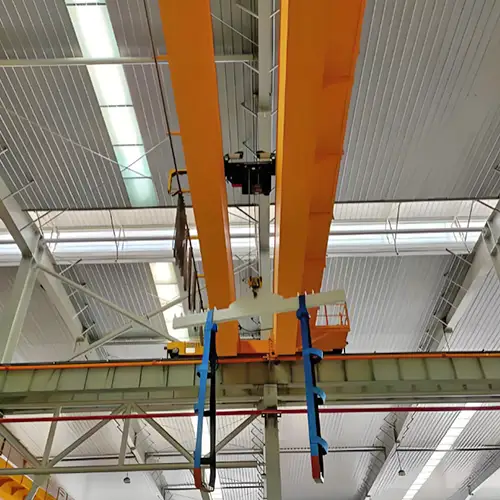

Yuantai Cranes
Overhead Crane Manufacturer with CE, ISO, SGS, CNEX Certificates.
- Main Specifications - Capacity: 0.5–550 tons | Span: up to 40m | Speed: 0.8–12 m/min | Duty: A3–A7 | Power: 380–690V, 50/60Hz | Control: pendant/remote/cabin
- Full engineering: FEA/PLC/VFD + in-house build + global delivery + on-site support, for workshops, factories, EPC contractors, industrial projects, etc.
- Support: design, manufacturing, testing, service – end-to-end, customized lifting solutions worldwide.
How to Get an Accurate Crane Price for Your Application?
Tips: Copy the spec list, fill in your details, and paste it into the form on the right/ down-below for a quick price.
- Crane type:_____ . (e.g., overhead crane, gantry crane, jib crane)
- Max weight to lift:_____ tons. (e.g., 2t, 5t, 10t, 20t, 50t)
- Lifting height:_____ m. (How high does the hook need to reach?
- Workshop width (span):_____ m . (Distance between the two crane rails)
- Travel distance:_____ m . (How long does the crane need to move along the runway?)
- Control type:_____. (Pendant / remote / cabin Control)
- Power supply:_____. (Local voltage & frequency – e.g., 380V, 50Hz, 3-phase)
- What will it be used for?_____ (e.g., steel fabrication, concrete products, mold handling, general manufacturing, etc.)
- Any special requirements?_____ (e.g., extreme temperature, dusty or explosive environment, special paint color, etc.)
Just leave a message via the contact form and our hoist and crane engineer will contact you with in 24working hours.
Get Your Custom Quote–Quick & Easy
Fill in what you know. Skip what you don't – we'll help.Any question will be reply with 24 working hours