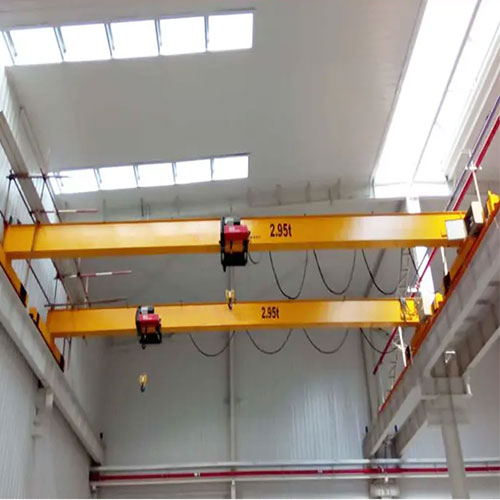
Overhead Crane for Grain Mills, Custom Single & Double Girder Crane
Overhead crane for grain mills. Custom top running & underhung bridge crane, with single / double girder crane design, gantry crane, jib crane, explosion proof crane for sale.
| Crane Type | 1–20 Ton Crane Systems for Grain Mills available as Single Girder/Double Girder Overhead Cranes, Gantry Cranes, Jib Cranes, or Explosion-Proof Cranes, for grain processing equipment handling, maintenance, installation, storage, material transfering. |
| Crane Capacity | 1–20 tons; selected according to milling equipment, motors, gearboxes, bins, conveyors, machinery components, and maintenance loads. |
| Span Length | Typically 7.5–30 m; customized according to building structure, runway spacing, and required coverage. |
| Lifting Height | Typically 4–20 m; customized according to mill building height, equipment elevation, storage layout, and required hook height. |
| Coverage Area Type | Production workshops, grain processing areas, equipment maintenance zones, storage areas, silos, loading zones, and other designated lifting areas. |
| Application | Grain mills, flour mills, feed mills, grain processing plants, silos, storage facilities, equipment maintenance, machinery installation, material handling, loading/unloading, and production-line maintenance. |
| Certifications | CE / ISO / SGS / Other third-party inspection |
| Customization | 1–20 ton top-running or underhung bridge crane, single or double girder,gantry or jib crane, explosion-proof configuration, customized span, lifting height, hoist, speeds, controls, runway, dust protection, and grain-handling attachments. |
Crane Manufacturer: Yuantai Cranes – 30+ Years Professional Crane Manufacturer from China
Category: General Manufacturing
Tags: manufacturing
Your Trusted Overhead Crane Manufacturer & Supplier
Overhead Crane for Grain Mills, Custom EOT Cranes 3 T, 5 T, 10 T,20 T
Overhead crane for grain mills. Custom top running & underhung bridge crane, with single / double girder crane design, gantry crane, jib crane, explosion proof crane for sale, hot sale 1 ton, 2 ton, 3 ton, 5 yon, 10 ton, 15 ton, 20 ton overhead crane at good price.
Comprehensive Guide to Overhead Cranes in Grain Mills
Grain mills are the backbone of the food industry, responsible for transforming raw grains into an array of essential products, from flour to cereals. These mills play a pivotal role in ensuring a steady supply of grains for our daily consumption. However, the efficiency of grain mills depends on various factors, one of which is often overlooked – the overhead crane.
Versatility of Overhead Cranes in Handling Various Grains and Materials
Grain mills are dynamic environments that process an extensive range of grains and raw materials, from wheat and corn to specialty grains like quinoa and teff. The diversity of materials and the complexities of the milling process necessitate a comprehensive approach to material handling. This is where overhead cranes step in as versatile workhorses.
Overhead cranes are indispensable tools in the world of grain mills, and their importance cannot be overstated. They perform a multitude of tasks, from unloading raw grains to transporting processed flour and other products. Overhead cranes offer flexibility and precision, making them the ideal solution for navigating the intricacies of a grain mill.
This comprehensive guide serves as a beacon for grain mill operators, engineers, and decision-makers, offering invaluable insights into the realm of overhead cranes. Whether you're running a traditional mill or processing exotic grains for niche markets, understanding the role of overhead cranes is pivotal. It will enable you to select the right crane for your specific material handling needs, leading to increased productivity and safety within your grain mill.
Throughout this guide, we'll explore the various types of overhead cranes, their features and benefits, and how they cater to different grain handling processes. We'll delve into the intricacies of grain mills and the specialized requirements they demand. We'll also provide practical information and suggestions for potential buyers who are looking to invest in customized overhead crane solutions. Whether you're navigating food safety regulations or pondering the intricacies of dust explosion prevention, we've got you covered.
This comprehensive guide is your compass through the world of overhead cranes in grain mills. It will help you make informed decisions, optimize your grain handling processes, and ensure the seamless operation of your mill. From selecting the right crane to understanding the specific requirements of specialty grains, you'll find it all here. Welcome to a journey that promises enhanced efficiency, safety, and quality in the grain mill industry.
Types of Overhead Cranes
Overhead cranes are the unsung heroes of grain mills, performing the heavy lifting and precise material handling required in these dynamic environments. To navigate the complex terrain of grain mills efficiently, various types of overhead cranes come into play. Let's explore the common crane types suitable for grain mills and their unique features.
Bridge Cranes: Versatility Meets Power
Tonnages: Bridge cranes are available in various tonnages, typically ranging from 1 ton to 50 tons or more. The specific tonnage depends on the capacity needed for grain and material handling within the mill.
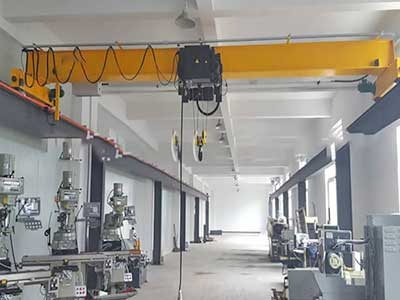
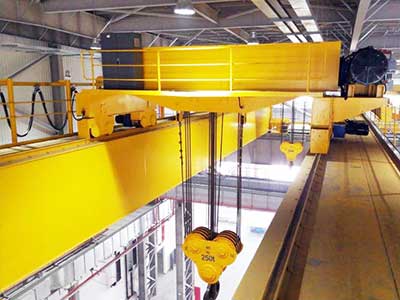
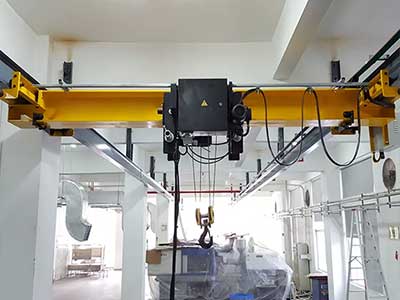
Designs and Configurations: Bridge cranes can be either single girder or double girder. Single girder cranes are commonly used for light to medium-duty applications, while double girder cranes are used for heavier loads. They are available in top-running and underhung configurations.
Monorail Cranes: The Linear Solution
Tonnages: Monorail cranes and monorail hoists are typically used for lighter loads, with tonnages ranging from 0.5 tons to 10 tons.
Designs and Configurations: Monorail cranes are often chosen for linear material transport applications within grain mills. They can be designed as single girder or double girder configurations, depending on the required load capacity.
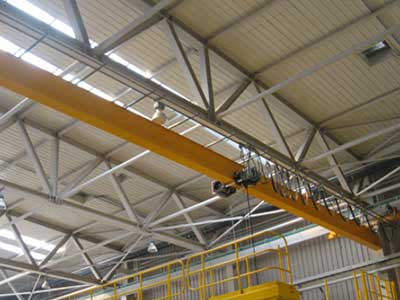
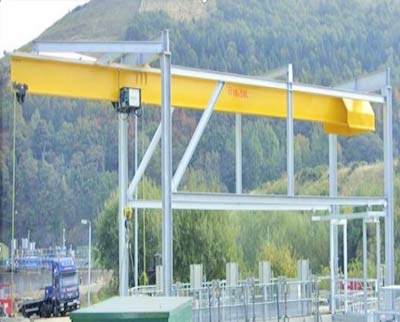
Floor mounted monorail cranes
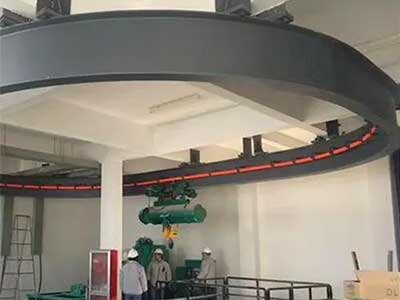
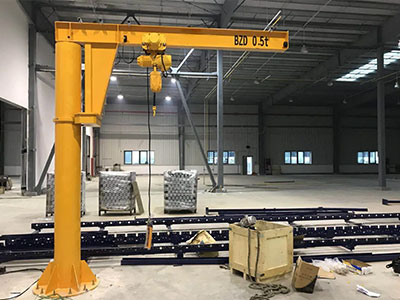
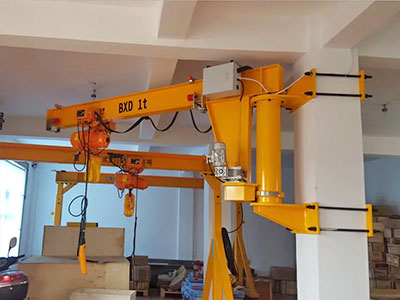
Jib Cranes: The Localized Lifting Masters
Tonnages: Jib cranes are suitable for handling lighter loads, typically ranging from 0.25 tons to 5 tons.
Designs and Configurations: Jib cranes come in various configurations, including wall-mounted, column-mounted, and freestanding. They are commonly used for localized lifting and positioning of materials within grain mills.
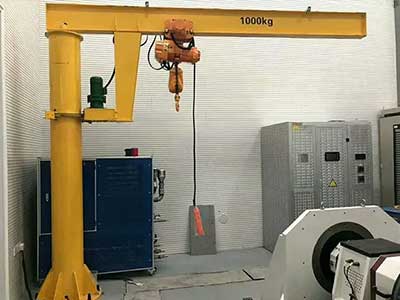
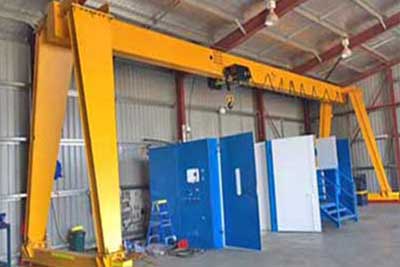
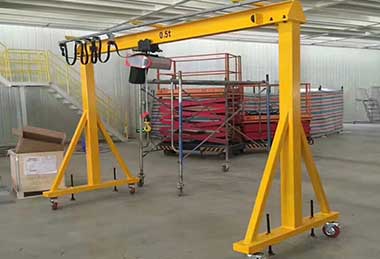
Gantry Cranes: Mobility and Muscle Combined
Tonnages: Gantry cranes are available in a wide range of tonnages, from 1 ton to 100 tons or more.
Designs and Configurations: Gantry cranes have the advantage of mobility and are used for both indoor and outdoor grain handling. They can be configured as single or double girder cranes and can be semi-gantry or full-gantry, depending on the specific application.
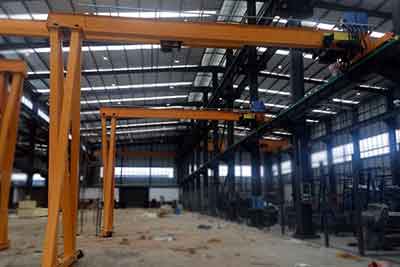
Explosion-Proof Cranes: Safety First
In grain mills where combustible dust is a risk, explosion-proof overhead cranes take the stage. These cranes are designed to prevent sparks or electrical malfunctions that could trigger dust explosions, ensuring the safety of personnel and property.
Tonnages: Explosion-proof overhead cranes are designed to prevent sparks or electrical malfunctions that could trigger dust explosions. Tonnages can vary based on the requirements of the grain mill.
Designs and Configurations: These cranes are customized to meet explosion-proof specifications and can be designed in various configurations, including bridge cranes, monorail cranes, or gantry cranes.
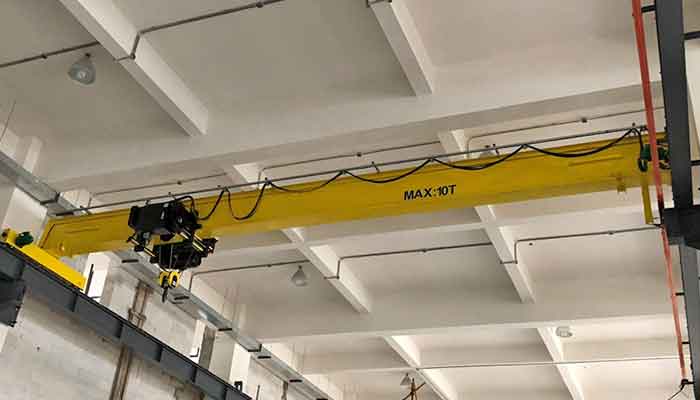
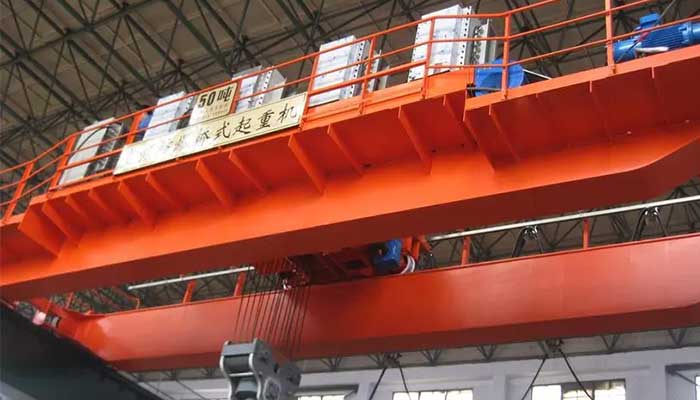
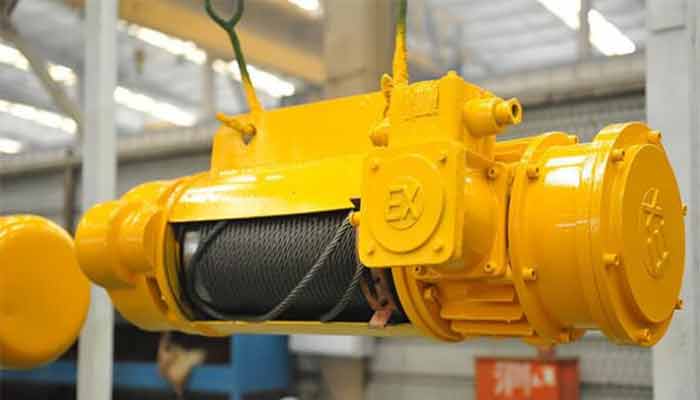
For grain mills with unique requirements or niche markets, custom overhead crane solutions are often the best choice. These cranes are designed and configured based on the specific needs of the mill, and their tonnages and designs can vary widely.
Each type of overhead crane has its own set of advantages and is chosen based on the specific requirements and operational nuances of the grain mill. Whether it's the precision of a single girder monorail crane, the strength of a double girder bridge crane, or the mobility of a semi-gantry crane, the choice of overhead crane is pivotal in optimizing grain handling processes.The choice of tonnage, design, and configuration of the overhead crane in a grain mill is based on the operational needs, the type and volume of grains being handled, and the layout of the mill. Customized solutions are often employed to ensure the most efficient and safe material handling processes.
Overhead Crane Features and Benefits
Overhead cranes used in grain mills are more than mere machines; they are intricate systems designed to optimize efficiency and ensure the safety and quality of grain processing. The features of these cranes, from cleanliness to corrosion resistance and explosion-proofing, play pivotal roles in the success of grain handling operations. Here, we delve into the details of these features and the substantial benefits they bring to the grain processing industry.
Cleanliness: A Hygienic Imperative
- Smooth Surfaces: Overhead cranes with smooth surfaces are easy to clean, reducing the risk of contamination. This is particularly crucial in grain mills where food safety is a non-negotiable priority.
- No Hidden Spaces: Cranes designed with minimal crevices and hidden spaces eliminate the potential for food particles or pathogens to accumulate, promoting a clean environment.
- Compliance Assurance: Cleanliness features ensure compliance with strict food safety regulations, fostering a healthy production environment and consumer trust.
Corrosion Resistance: Prolonging Crane Lifespan
- Harsh Environment Durability: Grain mills can be challenging environments, with exposure to moisture and dust. Overhead cranes built with corrosion-resistant materials and coatings can withstand these conditions and maintain their functionality over an extended lifespan.
- Reduced Maintenance: Corrosion-resistant cranes require less maintenance, minimizing downtime and operational costs while ensuring that the crane operates optimally.
- Investment Protection: By resisting corrosion, these cranes protect your investment, allowing you to focus on grain processing instead of frequent crane repairs and replacements.
Explosion-Proofing: Safeguarding Against Dust Explosions
- Dust Explosion Risk Mitigation: Grain dust is highly combustible and can lead to dust explosions if it accumulates in the air. Explosion-proof overhead cranes are designed to prevent sparks or electrical malfunctions that could trigger such explosions, ensuring the safety of personnel and property.
- Personnel Safety: Explosion-proof cranes contribute to a safer work environment, protecting employees from the devastating consequences of dust explosions.
- Property Protection: In addition to human safety, explosion-proof features safeguard the grain mill's property and assets, preventing costly damage.
The benefits of these overhead crane features are multi-faceted, enhancing both efficiency and safety in grain processing:
- Enhanced Food Safety: Cleanliness features reduce the risk of contamination, ensuring that the grains and final products remain safe for consumption.
- Operational Efficiency: Corrosion-resistant cranes require less maintenance, minimizing downtime and optimizing grain handling operations.
- Compliance Adherence: Cranes designed for hygiene and safety help grain mills easily comply with food safety regulations.
- Risk Mitigation: Explosion-proof cranes eliminate the risk of dust explosions, protecting both personnel and property.
- Long-Term Savings: The durability of corrosion-resistant cranes and the safety provided by explosion-proofing translate into long-term savings, reducing operational costs.
In the world of grain processing, overhead cranes are not mere tools; they are partners in ensuring the quality, safety, and efficiency of the final products that reach our tables. By understanding and harnessing the features and benefits of these cranes, grain mills can thrive in a competitive industry while prioritizing the well-being of their customers and employees.
Overhead Cranes for Types of Grains and Raw Materials Handling
For different loads handling in grain mills, there can be different requirements for overhead cranes used in grain mills based on the specific types of raw material handling and their respective operations. Different types of raw materials may have unique characteristics and handling needs, which can influence the choice of overhead crane and how it operates.Grain mills are bustling hubs where a myriad of grains and raw materials are transformed into the essential building blocks of our diets. From the familiar wheat and corn to the exotic quinoa and teff, grain mills are veritable treasure troves of diverse ingredients.Here are some considerations for various types of raw material handling in grain mills:
The Staples: Wheat and Corn
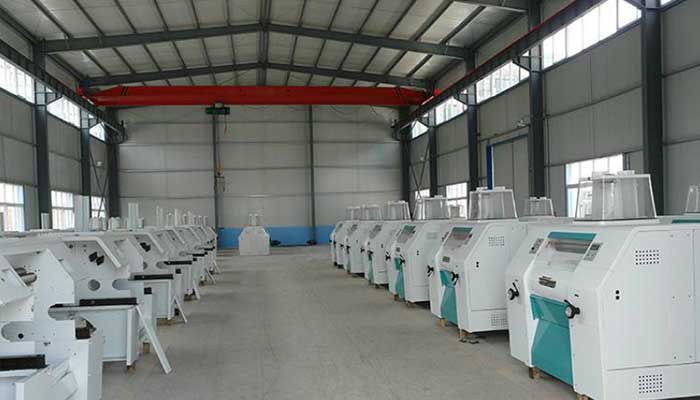
Overhead Crane for Wheat Mills:
Wheat is the kingpin of grain processing, finding its way into a vast array of products. It serves as the cornerstone for staples like bread, pasta, and pastries. Overhead cranes in wheat mills must have the capacity to transport the heavy sacks and containers of this prolific grain.
Wheat Handling:
- Wheat is one of the most common raw materials in grain mills.
- Overhead cranes used for wheat handling should have high load capacities and precise control for efficiently moving heavy grain sacks or containers.
- They may need to handle both bulk wheat and packaged wheat products.
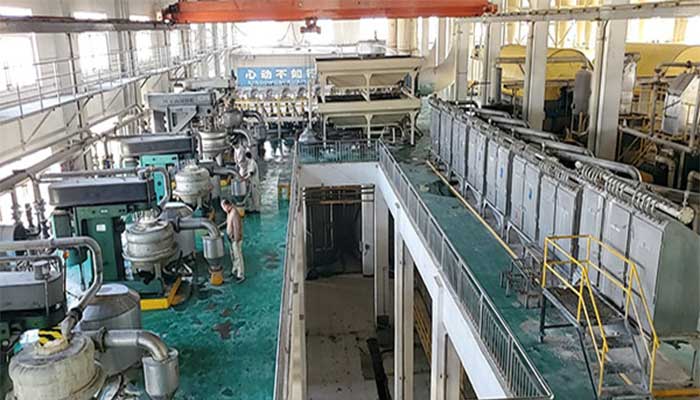
Bridge Crane for Processing mill of Corn (Maize):
Corn, in its many forms, is a versatile grain. It's used to produce cornmeal and corn flour, foundational ingredients for beloved dishes like cornbread, tortillas, and various baked goods. Overhead cranes for corn mills should be designed to accommodate the varied forms of this grain, from whole cobs to shelled kernels.
Corn (Maize) Handling:
- Corn often comes in bulk or in various forms, such as corn cobs or shelled corn.
- Overhead cranes should be able to handle different types of corn and efficiently transfer them to various processing points within the mill.
Beyond the Basics: Specialty Grains
Rice Handling:
- Rice is a dietary staple worldwide and is processed into rice flour. Overhead cranes handling rice must ensure gentle transport to prevent breakage of delicate grains.
- Rice is typically handled in large sacks or bins.
- Overhead cranes used for rice should ensure gentle handling to prevent breakage of the delicate rice grains.
Soybean Handling:
Soybeans find their way into a myriad of products, including meat alternatives and baked goods. Overhead cranes play a crucial role in moving the bulk quantities of soybeans used in these productions.
- Soybeans are often transported in bulk and need robust overhead cranes to move large quantities.
- The cranes should have the capacity to handle the weight of soybean loads efficiently.
Specialty Grains (e.g., Quinoa, Teff, Amaranth):
Exotic grains like quinoa, teff, and amaranth are becoming increasingly popular in modern diets. Overhead cranes must accommodate the specific handling needs of these grains, which can vary widely.
- Specialty grains may have unique handling requirements based on their characteristics and uses.
- Overhead cranes may need to handle these grains with care, especially if they are fragile or high-value products.
Mixed Grains Handling:
Some grain mills craft unique flour blends by processing a mixture of different grains. Overhead cranes in such mills must be versatile enough to handle various grain types and ensure proper segregation when needed.
- Grain mills that process blends of different grains require overhead cranes that can efficiently handle a variety of raw materials.
- The cranes should be adaptable to different types of grains and ensure proper segregation when needed.
Organic or Specialty Grains:
- Grain mills focused on organic or specialty grains cater to niche markets with unique requirements. Overhead cranes used in these mills must align with the high standards and purity of these grains.
The choice of overhead crane and its operation should take into account the specific needs of the raw material handling process. It's essential to consider factors such as load capacity, control precision, safety features, and any unique handling requirements for each type of grain or raw material. Proper crane selection and operation ensure efficient and safe material handling in grain mills.
Understanding the breadth of raw materials used in grain mills is crucial for selecting the right overhead crane. The crane must not only handle the sheer diversity of grains but also ensure that each grain type is treated with the care and precision it deserves. Whether it's the fine grains of rice or the rugged husks of corn, the overhead crane is the silent conductor that ensures these grains reach our tables as high-quality, wholesome products.
Overhead Cranes Used in Different Types of Grain Mills
Grain mills are the unsung heroes of the food industry, quietly milling raw grains into the flours and cereals that grace our tables. Yet, behind the scenes, grain mills are a hive of activity, where various types of mills work their magic, each with a specific function. Understanding the diverse world of grain mills is the first step in realizing the crucial role overhead cranes play in optimizing operations.
Different Types of Grain Mills and Their Specific Functions
- Stone Mills: Stone mills, reminiscent of a bygone era, use millstones to grind grains into flour. These mills are often the choice for traditional and artisanal milling, producing high-quality whole-grain flours. They may be powered by hand or electricity.
- Roller Mills: In contrast, roller mills are the workhorses of large-scale industrial flour milling. These mills crush and grind grains between a series of cylindrical rollers. They are celebrated for their efficiency and ability to produce a wide range of flours, from all-purpose to specialty varieties.
- Hammer Mills: Hammer mills are the muscle behind coarse flour production and feed milling operations. Rotating hammers pulverize grains into fine flour or meal.
- Impact Mills: Enter the realm of ultra-fine flours and specialty products with impact mills. They harness rapid air currents to shatter grains into fine particles.
- Disc Mills: Disc mills use steel plates to crush and grind grains. Their forte lies in producing coarse to medium-fine flour and handling oily grains like soybeans.
- Pin Mills: For fine and ultra-fine flour production, pin mills employ a series of interlaced pins to crush and disintegrate grains. They are especially favored for crafting specialty flours.
There are several main types of grain mills used for flour processing, each with its own characteristics and suitability for specific grain milling processes. The choice of grain mill depends on factors like the type of grain being processed, the desired level of automation, and the final flour product. The main types of grain mills for flour processing include:
Stone Mill
In a stone mill, where traditional and artisanal methods are employed to grind grains using millstones, the type of overhead cranes used may vary depending on the specific requirements of the milling process. Here's some information on the types of overhead cranes, their features and benefits, and typical loads handled in a stone mill:
Types of Overhead Cranes Used in Stone Mills:
Bridge Cranes: Bridge cranes are often used in stone mills to provide general material handling capabilities. They can be equipped with specialized attachments for lifting and positioning millstones and other equipment.
Features and Benefits of Overhead Crane in Stone Mill:
- Load Capacity: Overhead cranes used in stone mills need to have a suitable load capacity to handle millstones, which can be quite heavy.
- Precise Control: They should offer precise control for accurate positioning of millstones and other equipment.
- Durability: These cranes should be robust and durable to withstand the challenging environment of a stone mill.
- Safety Features: Safety features such as overload protection and emergency stop buttons are important to ensure safe operations.
- Versatility: The cranes should be adaptable to different tasks within the mill, including lifting millstones, loading grains, and transporting materials.
Typical Loads Handled and Applications:
- Millstones: The primary application of overhead cranes in a stone mill is to handle millstones. These millstones are used for grinding grains into flour and need to be precisely positioned for efficient milling.
- Raw Material Handling: Overhead cranes can be used for transporting raw grains or other materials within the stone mill, ensuring a smooth flow of materials for the milling process.
- Equipment Maintenance: They are useful for lifting and moving heavy equipment and machinery during maintenance and repair operations within the stone mill.
The specific type and configuration of the overhead crane used in a stone mill may depend on the size and layout of the facility and the milling processes employed. The key is to ensure that the crane is capable of safely and efficiently handling the heavy millstones and other equipment used in the traditional milling process while maintaining the quality of the flour produced.
Roller Mill
Roller mills crush and grind grains between a series of cylindrical rollers. They are commonly used in large-scale industrial flour milling due to their efficiency and ability to produce a wide range of flours.
- Types of overhead cranes used:
- Features and benefits of overhead crane in roller mill:
- Typical loads handled and applications
In a roller mill, which crushes and grinds grains using cylindrical rollers, the choice of overhead cranes, their features and benefits, as well as typical loads and applications are as follows:
Types of Overhead Cranes Used in Roller Mills:
- Bridge Cranes: Bridge cranes are frequently employed for their versatility in handling various tasks within roller mills, including material transport and equipment positioning.
- Features and Benefits of Overhead Crane in Roller Mill:
- Load Capacity: Overhead cranes must have the capacity to lift heavy equipment and materials commonly used in roller mills.
- Precise Control: They offer precise control for accurate positioning of machinery and materials, contributing to efficient operations.
- Durability: These cranes are built to withstand the rigorous demands of an industrial roller mill environment.
- Safety Features: Overhead cranes include safety mechanisms such as overload protection to ensure secure operations.
- Versatility: They can adapt to different tasks, from moving machinery to transporting materials within the roller mill.
Typical Loads Handled and Applications:
- Rollers: Overhead cranes are used to install, maintain, and replace the cylindrical rollers essential for grain crushing and grinding.
- Raw Material Handling: They facilitate the movement of raw grains and other materials required in the roller milling process.
- Equipment Maintenance: Overhead cranes assist in lifting and positioning heavy machinery during maintenance and repairs.
- Material Transport: They are crucial for transporting milled grains and other materials between different stages of the milling process, optimizing production efficiency.
The specific type and configuration of the overhead crane used in a roller mill are determined by the mill's size, layout, and equipment, but their primary function is to ensure efficient and safe material handling and machinery positioning in the large-scale industrial flour milling process.
Hammer Mill
In a hammer mill, where rotating hammers are used to crush grains into fine flour or meal, the overhead cranes used, their features and benefits, and typical loads and applications can be summarized as follows:
Types of Overhead Cranes Used in Hammer Mills:
- Bridge Cranes: Bridge cranes are commonly employed in hammer mills for their versatility in material handling and equipment positioning.
- Features and Benefits of Overhead Crane in Hammer Mill:
- Load Capacity: Overhead cranes must be capable of lifting and moving heavy equipment and materials, essential in the operation of hammer mills.
- Precise Control: They offer precise control for accurate positioning of machinery and materials, ensuring efficient milling operations.
- Durability: These cranes are designed to withstand the often challenging conditions within a hammer mill.
- Safety Features: Overhead cranes are equipped with safety mechanisms like overload protection to maintain secure operations.
- Versatility: They are adaptable to various tasks, including the installation and maintenance of equipment, material handling, and transport within the hammer mill.
Typical Loads Handled and Applications:
- Hammers and Milling Components: Overhead cranes are used for the installation, replacement, and maintenance of the rotating hammers and milling components.
- Raw Material Handling: They facilitate the movement of raw grains and other materials used in the hammer milling process.
- Equipment Maintenance: Overhead cranes assist in lifting and positioning heavy machinery during maintenance and repair operations.
- Material Transport: These cranes are essential for transporting milled grains and other materials between different stages of the milling process, optimizing production efficiency.
The specific type and configuration of the overhead crane used in a hammer mill depend on the mill's size, layout, and equipment. The primary purpose is to ensure efficient and safe material handling, equipment maintenance, and material transport in the coarse flour production and feed milling operations of the hammer mill.
Impact Mill
In an impact mill, where rapid air currents are used to shatter grains into fine particles, the overhead cranes used, their features and benefits, and typical loads and applications can be summarized as follows:
Types of Overhead Cranes Used in Impact Mills:
Monorail Cranes: Monorail cranes are commonly employed in impact mills due to their suitability for linear material transport, ensuring a continuous flow of grains for the milling process.
Features and Benefits of Overhead Crane in Impact Mill:
- Linear Material Transport: Monorail cranes are designed for efficient and continuous movement of grains within the impact mill.
- Cost-Effective Solution: They provide a cost-effective solution for handling grains in a straight-line transport application.
- Precise Control: Monorail cranes offer precise control, ensuring grains are efficiently processed into ultra-fine and specialty flours.
- Durability: These cranes are built to withstand the challenging conditions in an impact mill.
- Safety Features: Overhead cranes are equipped with safety mechanisms like overload protection to ensure secure operations.
Typical Loads Handled and Applications:
- Grains and Particles: Monorail cranes are used to transport grains and particles within the impact mill, optimizing the production of ultra-fine flours and specialty flours.
- Raw Material Handling: They facilitate the movement of raw grains and materials required for the impact milling process.
- Material Transport: Overhead cranes are crucial for moving milled grains and other materials between different stages of the milling process, enhancing production efficiency.
The specific type and configuration of the overhead crane used in an impact mill depend on the mill's size, layout, and equipment. Their primary purpose is to ensure efficient and safe material handling, linear transport, and the production of ultra-fine and specialty flours within the impact mill.
Disc Mill
In a disc mill, where a set of steel plates is used to crush and grind grains, particularly for producing coarse to medium-fine flour and handling oily grains like soybeans, the types of overhead cranes used, their features and benefits, and typical loads and applications can be summarized as follows:
Types of Overhead Cranes Used in Disc Mills:
- Bridge Cranes: Bridge cranes are commonly used in disc mills due to their versatility and suitability for general material handling tasks.
- Features and Benefits of Overhead Crane in Disc Mill:
- Load Capacity: Overhead cranes must have the capacity to lift heavy equipment and materials used in disc mills, including the steel plates.
- Precise Control: They offer precise control for accurate positioning of machinery and materials, ensuring efficient milling operations.
- Durability: These cranes are designed to withstand the often challenging conditions within a disc mill.
- Safety Features: Overhead cranes are equipped with safety mechanisms like overload protection to ensure secure operations.
- Versatility: They can adapt to various tasks within the mill, from equipment installation to maintenance and material transport.
Typical Loads Handled and Applications:
- Steel Plates: Overhead cranes are used for installing, replacing, and maintaining the set of steel plates used in grinding grains.
- Raw Material Handling: They facilitate the movement of raw grains and other materials needed for the disc milling process.
- Equipment Maintenance: Overhead cranes assist in lifting and positioning heavy machinery during maintenance and repair operations.
- Material Transport: These cranes are essential for moving milled grains and other materials between different stages of the milling process, optimizing production efficiency.
The specific type and configuration of the overhead crane used in a disc mill are determined by the mill's size, layout, and equipment. The primary purpose is to ensure efficient and safe material handling, equipment maintenance, and material transport in the production of coarse to medium-fine flour, especially for milling oily grains like soybeans.
Pin Mill
In pin mills, where a series of interlaced pins is used to crush and disintegrate grains into fine flour, especially for fine and ultra-fine flour production and specialty flours, the types of overhead cranes used, their features and benefits, and typical loads and applications can be summarized as follows:
Types of Overhead Cranes Used in Pin Mills:
- Bridge Cranes: Bridge cranes are commonly used in pin mills due to their versatility and suitability for general material handling tasks.
- Features and Benefits of Overhead Crane in Pin Mill:
- Load Capacity: Overhead cranes must have the capacity to lift heavy equipment and materials used in pin mills, including the pins and machinery.
- Precise Control: They offer precise control for accurate positioning of machinery and materials, ensuring efficient milling operations.
- Durability: These cranes are designed to withstand the often challenging conditions within a pin mill.
- Safety Features: Overhead cranes are equipped with safety mechanisms like overload protection to ensure secure operations.
- Versatility: They can adapt to various tasks within the mill, from equipment installation to maintenance and material transport.
Typical Loads Handled and Applications:
- Interlaced Pins: Overhead cranes are used for installing, maintaining, and replacing the interlaced pins critical for grinding grains into fine and ultra-fine flour.
- Raw Material Handling: They facilitate the movement of raw grains and other materials required for the pin milling process.
- Equipment Maintenance: Overhead cranes assist in lifting and positioning heavy machinery during maintenance and repair operations.
- Material Transport: These cranes are essential for moving milled grains and other materials between different stages of the milling process, optimizing production efficiency.
The specific type and configuration of the overhead crane used in a pin mill depend on the mill's size, layout, and equipment. The primary purpose is to ensure efficient and safe material handling, equipment maintenance, and material transport in the production of fine and ultra-fine flour, especially for specialty flours in pin mills.
Overhead Cranes for Grain Handling
Grain handling is a multifaceted process that lies at the heart of grain mills. It involves a series of stages where raw grains are transported, stored, cleaned, and processed into the products we know and love. To comprehend the role of overhead cranes in grain mills, it's essential to understand the intricacies of grain handling. Here, we provide an overview of the various stages involved in this crucial process.
- Receiving Raw Grains: The journey of a grain begins with its arrival at the mill. Raw grains are transported to the mill either by trucks or rail. Overhead cranes are used for unloading the grains from these vehicles. This initial stage sets the tone for the entire grain handling process.
- Storage: Upon arrival, grains are stored in silos or bins. Overhead cranes play a pivotal role in transferring grains from the receiving area to the storage facilities. Efficient and precise crane operation is essential to avoid grain spillage and contamination.
- Cleaning: Raw grains are not ready for processing as they often contain impurities like dirt, stones, and foreign particles. Overhead cranes assist in transferring grains to cleaning equipment where impurities are removed. Cranes with precision control are vital in this phase to minimize grain loss.
- Preparing for Milling: Once grains are cleaned, they need to be moved to the milling equipment. Overhead cranes help transport the grains to hoppers and conveyors, ensuring a consistent flow of grains for processing.
- Milling and Processing: This is the core of the grain mill operation. The processed grains are transformed into flour and other products. Overhead cranes may be used to transport various milling components or even to replace and maintain the milling machinery.
- Packaging and Distribution: The final products are packaged and prepared for distribution. Overhead cranes assist in transferring packaged products to storage areas, loading them onto trucks, or even in transporting them to other parts of the facility for further processing or distribution.
- Quality Control: Quality control is an ongoing process throughout grain handling. Overhead cranes play a role in sample collection and laboratory work to ensure that the grains and final products meet quality standards.
- Maintenance: Regular maintenance of equipment and facilities is essential to keep grain mills running smoothly. Overhead cranes are used to transport maintenance personnel and equipment to the areas requiring attention.
The various stages of grain handling within a grain mill is crucial for recognizing the significance of overhead cranes in this complex environment. From the moment raw grains arrive to the final stages of quality control and maintenance, overhead cranes are instrumental in ensuring the efficiency, safety, and high-quality products that reach consumers' tables.
Overhead Crane Requirements for Grain Handling
Grain handling is a precise and dynamic process, with each stage demanding specific requirements for overhead cranes to ensure efficient and safe operations. In this section, we outline the distinct requirements for overhead cranes used in different stages of grain handling within a grain mill.
Receiving Raw Grains
- Load Capacity: Cranes in this stage must have the capacity to handle the weight of grain-laden vehicles, typically ranging from several tons to tens of tons, depending on the grain volume.
- Precision Control: Smooth and precise control is essential during unloading to prevent grain spillage or damage to the grain.
- Durability: Overhead cranes in this stage should be built to withstand the rigors of outdoor operation and exposure to the elements.
Storage
- Load Capacity: The cranes used for transferring grains from receiving to storage facilities should have the capacity to handle the volume of grains in bulk.
- Cleanliness: Cranes should be designed with features that facilitate easy cleaning to maintain a hygienic environment within the storage facility.
Cleaning
- Precision Control: Precision control is vital in this stage to minimize grain loss during the cleaning process.
- Durability: The cleaning stage can be abrasive, so overhead cranes must be built to withstand the environment and the occasional impact from impurities.
Preparing for Milling
- Precision Control: Cranes that transfer grains to hoppers and conveyors must ensure a consistent and controlled flow of grains to the processing equipment.
- Variable Speed Control: Variable speed control can help tailor the flow of grains to match the processing capacity of the mill.
Milling and Processing
- Load Capacity: The cranes used here should be capable of transporting various milling components, which can be substantial in size and weight.
- Maintenance Accessibility: Overhead cranes must be designed to allow for the easy replacement and maintenance of milling machinery, ensuring minimal downtime.
Packaging and Distribution
- Load Capacity: Cranes used in this stage should handle the weight of packaged products and the containers used for transportation.
- Cleanliness: Like storage cranes, those used in packaging and distribution should be easy to clean to maintain product hygiene.
Quality Control
- Precision and Control: Overhead cranes used for quality control should allow for precise positioning of samples and testing equipment.
Maintenance
- Durability and Accessibility: Cranes used for maintenance purposes should be durable and provide easy access to areas that require attention. They must also support the safe transportation of maintenance personnel.
Regulatory Compliance
- Food Safety Regulations: Overhead cranes used at all stages of grain handling must meet or exceed food safety regulations, ensuring that grain mills operate within legal and safety guidelines.
Meeting these specific requirements is essential to ensure that overhead cranes are not only effective but also enhance the efficiency, safety, and overall quality of grain handling operations in a grain mill. By selecting cranes tailored to each stage, mill operators can optimize their operations and adhere to stringent food safety standards.
Overhead Crane Applications in Grain Mills
Overhead cranes are versatile workhorses within grain mills, playing a crucial role in numerous applications throughout the grain handling and processing cycle. These applications are as diverse as the grains themselves, each demanding a specific approach to material handling. Here, we provide detailed information on how overhead cranes are employed in different applications within grain mills, highlighting their role in ensuring efficient and safe operations.
Loading and Unloading Raw Grains
Typical Overhead Crane Type: Bridge Cranes
Features and Benefits:
- Bridge cranes are efficient for unloading grains from trucks and railcars.
- They have high load capacities to handle bulk grain efficiently.
- Often equipped with precise control systems for safe and accurate positioning.
Functions:
- Bridge cranes are used to lift bulk grains from vehicles and transport them to storage bins.
- They ensure quick and efficient unloading of incoming grain shipments.
Applications:
- Loading Grain Receiving Areas: Overhead cranes are used to lift and position containers of raw grains delivered by trucks or rail for unloading.
- Unloading from Vehicles: Cranes efficiently unload grain from vehicles and transfer it to the storage area.
Storage and Silo Management:
Transferring Grains to Silos or Bins: Overhead cranes transport grains from the receiving area to storage facilities, ensuring proper distribution and organization.
Typical Overhead Crane Type: Gantry Cranes
Features and Benefits:
- Gantry cranes have a high load capacity and can span large distances.
- They provide flexibility in moving grain within the storage area.
- Designed to handle grain bins or silos with precision.
Functions:
- Gantry cranes are used to transport bulk grain from storage areas to various parts of the facility.
- They position grain for storage in silos or move it for processing.
Grain Cleaning and Sorting:
Transporting Grains to Cleaning Equipment: Cranes move cleaned grains to the equipment where impurities are removed.
Typical Overhead Crane Type: Monorail Cranes
Features and Benefits:
- Monorail cranes are designed for linear transport applications.
- They offer cost-effective solutions for moving grain to and from cleaning and sorting machines.
Functions:
- Monorail cranes transport grain to cleaning and sorting machines.
- They help maintain a continuous flow of grain for processing.
Preparing for Milling and Processing
- Typical Overhead Crane Type: Bridge Cranes
Features and Benefits:
- Bridge cranes are versatile, with varying load capacities and precise controls.
- They can move grain within the milling process, transporting it to various machines.
Functions:
- Bridge cranes are used to transport grain to crushers, grinders, sifters, and other machines within the milling process.
- They ensure a smooth and efficient flow of grain for processing.
Applications:
- Grain Transfer: Overhead cranes transport grains to hoppers and conveyors, ensuring a consistent and controlled flow of grains to the milling equipment.
- Equipment Maintenance: Cranes are used to transport various milling components and facilitate their installation, replacement, or maintenance.
Packaging and Distribution
Transporting Packaged Products: Overhead cranes move packaged products to storage areas, loading them onto trucks, or transporting them within the facility for further processing or distribution.
Typical Overhead Crane Type: Jib Cranes
Features and Benefits:
- Jib cranes are ideal for localized material handling in packaging and distribution areas.
- They offer precise control and efficient handling of grain bags or containers.
Functions:
- Jib cranes are used for lifting and moving grain bags or containers within packaging and distribution areas.
- They assist in the organization and transportation of packaged grain products.
Quality Control
Sample Handling: Cranes are employed for sample collection and transportation in the quality control process, ensuring that grains and final products meet the required standards.
Maintenance and Repairs
Equipment Maintenance: Overhead cranes transport maintenance personnel and equipment to the areas that require attention, facilitating the regular upkeep of equipment and facilities.
Typical Overhead Crane Type: Jib Cranes
Features and Benefits:
- Jib cranes are suitable for localized maintenance and repair tasks.
- They provide flexibility in positioning equipment for servicing.
Functions:
- Jib cranes in maintenance workshops are used for handling equipment and machinery during repair and maintenance activities.
- They offer a safe and convenient way to access and work on machinery.
Regulatory Compliance
- Safety and Compliance Checks: Overhead cranes are instrumental in supporting safety and compliance checks, assisting in tasks such as equipment inspections and ensuring regulatory adherence.
Each of these applications requires specific crane capabilities, including load capacity, control precision, and environmental features like cleanliness and explosion-proofing. By fulfilling these needs, overhead cranes contribute to the seamless operation of grain mills, safeguarding product quality, employee safety, and compliance with stringent food safety regulations.
Specialty Grains and Niche Markets
While the grain industry primarily revolves around staples like wheat and corn, there is a growing demand for specialty grains and niche markets. These unique grains, such as quinoa, teff, and amaranth, present distinctive processing challenges and specific requirements that necessitate special attention from overhead cranes. In this section, we address the specific needs of specialty grains and the unique grain processing requirements within these niche markets.
Exotic Grains Demand Precision
- Variable Handling: Exotic grains vary in size, shape, and density, making it essential for overhead cranes to offer variable speed control and precision in handling to prevent damage.
- Cleanliness: The specialized nature of these grains requires the utmost cleanliness in all crane components to prevent contamination.
Mixing and Blending Grains
- Precision Mixing: For grain mills that specialize in creating unique blends of various grains, overhead cranes must offer precision in mixing and handling to ensure consistent product quality.
- Versatile Load Handling: Cranes should be versatile enough to handle different grain types for mixing and blending.
Organic and Specialty Grains
- Strict Quality Control: Overhead cranes used in mills focused on organic and specialty grains must support stringent quality control measures, ensuring that the grains meet the high standards of these niche markets.
- Environmental Considerations: To meet the demands of environmentally conscious consumers, cranes must be designed with energy-efficient features and materials in mind.
Niche Market Compliance
- Regulatory Requirements: Specialty grains often have unique regulatory requirements. Overhead cranes must adhere to these regulations to maintain compliance and cater to niche markets effectively.
The handling of specialty grains within niche markets is a niche within itself, requiring specialized equipment and expertise. Overhead cranes tailored to the unique characteristics and demands of these grains are essential for the success of mills serving these specialized markets.
Regulatory Compliance
In the realm of grain processing and handling, regulatory compliance is paramount. Food safety regulations and other relevant compliance requirements dictate the standards and practices that grain mills must adhere to. Understanding and meeting these regulations is a non-negotiable aspect of grain handling. In this section, we provide information on the crucial aspects of regulatory compliance in the context of grain mills.
Food Safety Regulations
- Hygienic Standards: Food safety regulations place a strong emphasis on hygienic standards in grain mills. Overhead cranes used in any stage of grain handling must adhere to these standards to prevent contamination of the grains and final products.
- Cleanliness: Cranes must feature smooth surfaces and be designed to allow for easy cleaning, reducing the risk of contamination.
- Materials: The materials used in the construction of overhead cranes must be suitable for food handling and processing, ensuring they meet the food safety regulations.
Occupational Safety Regulations
- Personnel Safety: Occupational safety regulations cover the safety of personnel working in grain mills. Overhead cranes must be equipped with safety features to protect employees from accidents.
- Training and Certification: Personnel operating cranes should be appropriately trained and certified in compliance with occupational safety regulations.
Environmental Regulations
- Explosion-Proofing: In grain mills where combustible dust is a risk, overhead cranes must adhere to explosion-proofing regulations to prevent sparks or electrical malfunctions that could trigger dust explosions.
- Energy Efficiency: Some environmental regulations may require cranes to meet energy efficiency standards, contributing to sustainability efforts.
Product Quality Standards
- Quality Assurance: Regulatory compliance often relates to the quality standards of grain products. Overhead cranes play a role in quality assurance by ensuring that grains are handled with care to maintain their quality.
Documentation and Record-Keeping
- Compliance Documentation: Grain mills must maintain documentation proving their compliance with food safety and other regulations. This documentation may include records of equipment maintenance, safety inspections, and more.
Meeting these regulatory compliance requirements is not just a matter of legality; it's a fundamental aspect of ensuring the safety of grain products, personnel, and property within a grain mill. Overhead cranes, being integral to the grain handling process, play a central role in helping mills meet these stringent standards and operate within the bounds of the law.
Key Considerations for Overhead Crane Selection
Choosing the right overhead crane for a grain mill is a critical decision that hinges on several key considerations. The effectiveness and safety of material handling processes within the mill are directly influenced by these factors. Here, we explore the fundamental elements that should be at the forefront of your mind when selecting an overhead crane:
Load Capacity: Handling the Grain Flow
- Grain Load: Different grains and raw materials vary in density and weight. Ensure that the crane's load capacity aligns with the heaviest loads you'll be handling. Consider not only the grains themselves but also the weight of containers or sacks.
- Future-Proofing: Anticipate potential growth in your grain mill's operations. Select a crane with a capacity that accommodates both your current and future needs, reducing the likelihood of needing to replace the crane as operations expand.
Control Precision: Navigating Delicate Operations
- Precision Requirements: Grain mills often involve tasks that demand a high degree of precision, such as the positioning of milling equipment or the gentle handling of delicate grains. Ensure that the crane's control system offers the necessary precision to avoid spillage or damage to the grains.
- Variable Speed Control: Cranes with variable speed control can provide the finesse needed for tasks like grain pouring or equipment installation, reducing the risk of accidents and product loss.
Safety Features: Safeguarding Personnel and Products
- Overload Protection: An overload protection system is a fundamental safety feature. It prevents the crane from lifting loads beyond its capacity, reducing the risk of accidents and equipment damage.
- Emergency Stop Buttons: Overhead cranes should be equipped with easily accessible emergency stop buttons to immediately halt operations in case of a safety threat.
- Collision Avoidance Systems: In busy grain mills, the risk of collisions between cranes, equipment, and personnel is present. Collision avoidance systems help mitigate these risks.
Environment-Specific Considerations: Cleanliness and Explosion-Proofing
- Cleanliness: In the food industry, cleanliness is paramount. Opt for cranes designed with features that facilitate easy cleaning, such as smooth surfaces that don't trap food particles.
- Corrosion Resistance: Grain mills can be exposed to moisture and dust, which may lead to corrosion. Consider cranes built with materials and coatings that resist corrosion, ensuring a longer crane lifespan.
- Explosion-Proof Features: In grain mills where combustible dust is a risk, select explosion-proof cranes to prevent sparks or electrical malfunctions that could trigger dust explosions.
Regulatory Compliance: Navigating Food Safety Regulations
- Food Safety Regulations: The food industry, including grain mills, is subject to stringent regulations to ensure the safety and quality of products. Select cranes that meet or exceed these regulations, reducing the risk of non-compliance and associated consequences.
- Documentation: Ensure that the crane manufacturer provides the necessary documentation to prove compliance with safety and quality standards.
Considering these key factors when choosing an overhead crane is paramount to the seamless and safe operation of your grain mill. Your choice should align not only with your current grain handling needs but also with future growth and the specific requirements of the grains processed in your mill. A well-informed decision in crane selection is a foundation for the efficiency and safety of your grain mill operations.
The Significance of Choosing the Right Overhead Crane
Selecting the ideal overhead crane for a grain mill hinges on understanding the mill's specific functions and the grains it handles. Each type of grain mill requires different material handling solutions, and the choice of crane can greatly impact the efficiency and safety of operations.
In the world of stone mills, where tradition meets technology, overhead cranes must be adaptable to both manual and electric-powered systems. Roller mills, the giants of industrial flour production, demand cranes with significant load capacities and precise control to handle the extensive variety of flours they produce.
Hammer mills, impact mills, disc mills, and pin mills cater to various grain processing needs. Overhead cranes for these mills must be designed to handle the installation, maintenance, and replacement of equipment such as hammers, steel plates, and pins.
No matter the type of grain mill, the right overhead crane will streamline operations, ensure safety, and promote the creation of high-quality products. This is why understanding the unique requirements of each mill type is paramount to selecting the crane that perfectly complements the milling process.
Customized Overhead Crane Solutions
When it comes to the complex and diverse needs of grain processing, one size does not fit all. Grain mills often require specialized overhead crane solutions to meet their specific processing and handling demands. In this section, we explore how to approach the customization of overhead cranes for specific grain processing needs and provide considerations for buyers seeking tailor-made crane solutions.
Identifying Specific Requirements
- Grain Type: Begin by understanding the characteristics of the grains being processed. Different grains have unique weight, size, and density characteristics that will influence the crane's load capacity and control precision requirements.
- Processing Stages: Analyze the different stages of grain handling in your mill. Identify which stages require overhead crane support and the specific demands of each stage.
- Regulatory Standards: Familiarize yourself with the food safety and other regulatory standards applicable to your grain processing. Ensure that the customized crane solution meets or exceeds these standards.
Selecting the Right Crane Type
- Choose Based on Application: Select the appropriate crane type for each application within your grain mill. For example, use single girder bridge cranes for light to medium-duty applications and double girder bridge cranes for heavier loads.
- Niche Considerations: If your grain mill specializes in exotic or organic grains, consider the unique requirements of these markets and choose cranes with the necessary features.
Working with Crane Manufacturers
- Consultation: Collaborate with experienced overhead crane manufacturers. Discuss your specific requirements, from load capacity to environmental considerations, and benefit from their expertise in customizing solutions.
- Site Assessment: Allow crane manufacturers to assess your grain mill site to understand the layout, space constraints, and other factors that may influence the crane's design.
Features and Benefits
- Precision Control: Request variable speed control and precision features to accommodate the diverse handling needs of your grains.
- Environmental Considerations: If you operate in a dusty or moist environment, specify features like corrosion resistance and explosion-proofing as needed.
Compliance and Documentation
- Compliance Assurance: Ensure that the customized overhead crane solution adheres to all relevant regulatory standards and food safety requirements.
- Documentation: Request comprehensive documentation from the crane manufacturer, including records of compliance and safety inspections.
Long-Term Considerations
- Future-Proofing: Consider your mill's potential for growth and expansion. Ensure that the customized crane solution is flexible enough to accommodate future needs.
- Maintenance and Support: Discuss maintenance and support options with the crane manufacturer to keep your crane operating optimally throughout its lifespan.
Customized overhead crane solutions are the key to achieving peak efficiency, safety, and quality in your grain mill's operations. By identifying your unique requirements, working closely with experienced manufacturers, and considering long-term needs, you can tailor your crane solutions to your specific grain processing demands.
Maintenance and Safety
Maintenance and safety are the cornerstones of reliable and efficient overhead crane operation in grain mills. Proper upkeep and safety practices ensure that cranes perform optimally, reduce the risk of accidents, and contribute to the overall well-being of the grain processing environment. In this section, we provide tips on the maintenance and safety practices of overhead cranes in grain mills.
Regular Inspection and Maintenance
- Scheduled Inspections: Establish a routine inspection schedule for overhead cranes. Regularly inspect all crane components, including hooks, wires, controls, and safety devices.
- Preventive Maintenance: Perform preventive maintenance to address minor issues before they become major problems. This can include lubricating moving parts and checking for signs of wear and tear.
Operator Training and Certification
- Certified Operators: Ensure that all crane operators are properly trained and certified. Operator training should cover safe operation, load capacity limits, and emergency procedures.
- Continued Education: Encourage ongoing education for operators to stay updated on the latest safety practices and equipment knowledge.
Emergency Procedures
- Emergency Stop Buttons: Familiarize crane operators with the location and use of emergency stop buttons. These buttons are essential for quickly halting crane operation in case of a safety threat.
- Emergency Response Plan: Develop and implement an emergency response plan that outlines procedures for handling accidents or safety incidents involving overhead cranes.
Load Capacity Awareness
- Know the Limits: Crane operators should be acutely aware of load capacity limits and never attempt to lift loads beyond these limits.
- Load Inspections: Before lifting a load, operators should inspect it for proper balance and secure attachment to prevent accidents.
Cleanliness and Corrosion Control
- Regular Cleaning: Keep cranes and their components clean to prevent contamination and damage. Cleanliness is especially vital in grain mills where hygiene is a top priority.
- Corrosion Prevention: Implement corrosion prevention measures to protect cranes in the often challenging environments of grain mills.
Safety Devices and Features
- Overload Protection: Ensure that overhead cranes are equipped with overload protection systems to prevent the lifting of loads beyond their capacity.
- Collision Avoidance Systems: Consider installing collision avoidance systems to reduce the risk of accidents between cranes, equipment, and personnel.
Regulatory Compliance
- Documentation: Maintain thorough documentation of safety inspections and regulatory compliance. Ensure that your cranes meet all relevant safety and food safety regulations.
Personnel Safety
- Safety Equipment: Provide safety equipment like helmets, harnesses, and visibility vests for personnel working near overhead cranes.
- Safety Training: Offer safety training for all personnel who may work in the vicinity of overhead cranes.
Maintenance and safety are continuous efforts that must be ingrained in the culture of your grain mill operations. By adhering to these tips and prioritizing safety, you not only protect your personnel but also preserve the efficiency and reliability of your overhead cranes, contributing to the overall success of your grain mill.
Wrap it Up: Get Your Custom Overhead Crane for Grain Mill
In the world of grain processing, the role of overhead cranes is nothing short of indispensable. These mighty machines are the unsung heroes of grain mills, silently orchestrating the intricate ballet of grain handling and processing. As we conclude our comprehensive guide to overhead cranes in grain mills, let's recap the key takeaways and emphasize the paramount importance of selecting the right crane for your specific needs.
- Diverse Grain Handling: Grain mills handle a diverse array of grains, each with its unique characteristics and requirements, necessitating a range of overhead crane solutions.
- Regulatory Compliance: Meeting food safety, occupational safety, and environmental regulations is vital in ensuring the safety of products, personnel, and property.
- Customization Matters: The customization of overhead cranes is pivotal in optimizing efficiency, safety, and quality in grain mills. Tailor-made solutions are the key to success.
- Maintenance and Safety: Regular maintenance and a strong safety culture are essential to ensure the reliable and safe operation of overhead cranes.
The Right Choice Matters:
Selecting the right overhead crane for your grain mill is not merely a matter of practicality; it is a decision that influences the quality of your products, the safety of your personnel, and the compliance with regulatory standards. It's a choice that can determine the success and reputation of your grain processing operation.
As you navigate the intricacies of grain handling and processing, we encourage you to seek professional guidance when making crane selections. Collaborate with experienced crane manufacturers who understand the complexities of the grain industry. They can help you identify your specific requirements, recommend suitable crane types, and ensure your solutions adhere to regulatory compliance.
In closing, we wish you success in your grain mill endeavors. May your overhead cranes continue to lift your operations to new heights, ensuring that the grains that pass through your mill are of the highest quality, your personnel are safe, and your regulatory obligations are met. Your choice of overhead crane is a choice for excellence in grain processing, and it's a choice that can shape the future of your grain mill.

Yuantai Cranes
Overhead Crane Manufacturer with CE, ISO, SGS, CNEX Certificates.
- Main Specifications - Capacity: 0.5–550 tons | Span: up to 40m | Speed: 0.8–12 m/min | Duty: A3–A7 | Power: 380–690V, 50/60Hz | Control: pendant/remote/cabin
- Full engineering: FEA/PLC/VFD + in-house build + global delivery + on-site support, for workshops, factories, EPC contractors, industrial projects, etc.
- Support: design, manufacturing, testing, service – end-to-end, customized lifting solutions worldwide.
How to Get an Accurate Crane Price for Your Application?
Tips: Copy the spec list, fill in your details, and paste it into the form on the right/ down-below for a quick price.
- Crane type:_____ . (e.g., overhead crane, gantry crane, jib crane)
- Max weight to lift:_____ tons. (e.g., 2t, 5t, 10t, 20t, 50t)
- Lifting height:_____ m. (How high does the hook need to reach?
- Workshop width (span):_____ m . (Distance between the two crane rails)
- Travel distance:_____ m . (How long does the crane need to move along the runway?)
- Control type:_____. (Pendant / remote / cabin Control)
- Power supply:_____. (Local voltage & frequency – e.g., 380V, 50Hz, 3-phase)
- What will it be used for?_____ (e.g., steel fabrication, concrete products, mold handling, general manufacturing, etc.)
- Any special requirements?_____ (e.g., extreme temperature, dusty or explosive environment, special paint color, etc.)
Just leave a message via the contact form and our hoist and crane engineer will contact you with in 24working hours.
Get Your Custom Quote–Quick & Easy
Fill in what you know. Skip what you don't – we'll help.Any question will be reply with 24 working hours