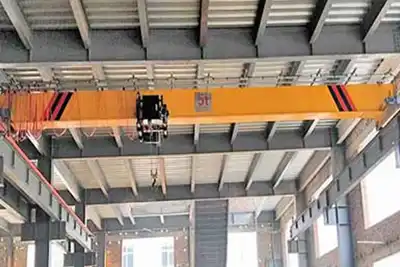
Layout Planning for CNC Plastic Workshops: Seamless EOT Crane Integration
Content Quick Link
Layout Planning for CNC Plastic Workshops: Integrating EOT Crane and Hoisting Equipment Seamlessly
Introduction
CNC plastic workshops handle a wide range of tasks, from processing raw plastic materials to molding and producing finished parts. Managing the movement of these materials efficiently is critical to keeping production on track and ensuring safety.
The Role of EOT Cranes
Electric Overhead Traveling (EOT) cranes play a vital role in lifting and moving heavy loads within the workshop. Their use helps reduce manual handling and increases operational speed. Here are some key points about their importance:
- EOT cranes provide safe and reliable lifting for heavy components.
- They reduce the need for forklifts and manual labor, lowering the risk of injuries.
- Proper use of cranes speeds up material transport and handling.
Importance of Overhead Crane Efficiency
Using overhead cranes correctly is just as important as having them installed. Efficient crane operation keeps the workflow smooth and reduces bottlenecks. Consider these factors:
- Well-placed overhead cranes and overhead bridge cranes cut down unnecessary movement.
- They prevent interference with CNC machines and personnel paths.
- Efficient crane use creates a safer, more organized workshop environment.
Objective of Layout Planning
The main aim of layout planning is to ensure cranes and hoisting equipment fit naturally within the workshop space. This supports smooth operations and safe material handling. The focus is on:
- Integrating single girder EOT cranes and double girder EOT cranes based on the workshop’s size and needs.
- Ensuring crane coverage reaches all critical zones without obstructing workflows.
- Designing for flexibility so the workshop can adapt to future changes or expansions.
By keeping these goals in mind, workshops can operate more efficiently and safely every day.
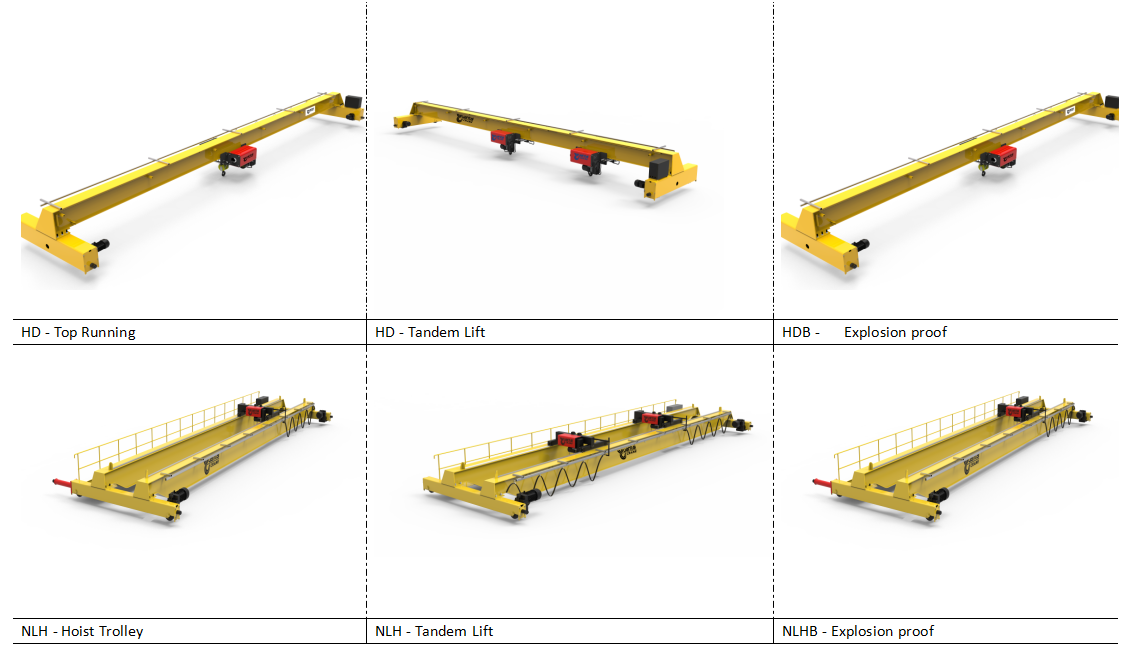
European style overhead eot crane with smart features
Workshop Requirements
Before planning the layout, it's important to understand what the workshop needs in terms of machinery, materials, and movement patterns. This helps ensure the cranes and hoisting equipment fit the workflow properly.
Types of CNC Plastic Machinery and Space Demands
CNC plastic workshops use various machines such as milling centers, lathes, and injection molders. Each machine requires a certain amount of space not only for operation but also for loading and unloading materials. Understanding these space needs helps prevent crane paths from clashing with machine operation zones.
- CNC machines can take up large floor areas and need clear access points.
- Adequate space around machines is necessary for safe crane operation.
- Layout must allow cranes to reach material pickup and drop-off points easily.
Common Materials Handled and Load Weights
Workshops typically move raw plastic pellets, molds, and finished parts. These materials vary widely in weight, but cranes need to be sized to handle the heaviest loads comfortably.
- Raw materials might be in bags or containers weighing hundreds of kilograms.
- Molds and tooling can be very heavy, sometimes several tons.
- Finished parts vary but can require delicate handling despite their weight.
Frequency and Nature of Material Movements
Material flow varies depending on production schedules, batch sizes, and workshop organization. Knowing how often and how far materials need to be moved helps determine the number and type of cranes needed.
- High-frequency movements require cranes with smooth, quick travel and easy controls.
- Irregular or heavy lifts may need stronger double girder EOT cranes.
- Planning should consider peak loads and daily traffic to avoid delays or congestion.
Overall Workshop Planning
By carefully assessing machinery, materials, and movement patterns, you can select and place overhead cranes that fit the workshop's real needs.
Principles of Effective Layout Planning
A well-planned workshop layout starts with clear and practical principles to make sure cranes operate smoothly without getting in the way of daily work.
Designing Unobstructed Runway Paths for Overhead Bridge Cranes
Runway beams must be placed so cranes can travel freely across the workshop without hitting obstacles. This means careful coordination with existing structures and machines to keep the crane paths clear.
- Avoid placing beams where they block doors, walkways, or machine access.
- Keep the runway as straight and level as possible for safe crane movement.
- Use building supports wisely to hold runway beams without cluttering floor space.
Maximizing Coverage Area for Single Girder and Double Girder EOT Cranes
Each crane type offers different capabilities. Single girder EOT cranes are usually lighter and more compact, while double girder EOT cranes handle heavier loads and longer spans. Layout should ensure these cranes cover the necessary zones efficiently.
- Position cranes to cover key workstations and material storage areas.
- Avoid overlapping crane paths that cause traffic or safety risks.
- Consider multiple cranes if one can't cover the entire workshop effectively.
Minimizing Travel Distance to Boost Workflow Efficiency
The less distance materials have to travel, the faster production moves. Optimizing crane routes and material storage locations cuts down unnecessary movements and saves time.
- Place raw materials, work-in-progress, and finished goods close to crane access points.
- Align crane paths with natural production flow to avoid backtracking.
- Use multiple pick-up and drop-off points to speed handling.
Safety Clearances and Operator Visibility Around Overhead Cranes
Safety is a must. Cranes need enough clearance from machines, walls, and people to operate without risk. Operators should have good visibility to control loads confidently.
- Maintain recommended clearance distances around crane runways and load paths.
- Install lighting and mirrors if needed to improve operator sightlines.
- Use warning signs and barriers to keep personnel clear during crane operation.
Allowing Flexibility for Future Expansion or Additional Cranes
Workshops grow and change over time. The layout should leave room for installing extra cranes or upgrading existing ones without major disruptions.
- Design runway systems that can be extended easily.
- Reserve space near key areas for additional crane coverage if needed.
- Plan electrical and control systems to support future crane installations.
Integrating EOT Cranes into Workshop Layout
Integrating EOT cranes effectively requires choosing the right crane type and placing them thoughtfully within the workshop. This ensures that lifting equipment works smoothly with the rest of the facility.
Selecting Between Single Girder and Double Girder EOT Cranes
Choosing the right crane depends mainly on how much weight needs to be lifted and how far the crane must span.
- Single girder EOT cranes are ideal for lighter loads and shorter spans. They take up less space and are often more cost-effective.
- Double girder EOT cranes handle heavier loads and longer spans, offering more stability and higher lifting capacity.
- Match the crane type to the heaviest expected load plus a safety margin to avoid overloading.
Positioning Runway Beams for Overhead Bridge Cranes
Runway beams support the crane's travel across the workshop. Proper placement is essential for full coverage of all work zones without blind spots.
- Runways should be positioned to cover loading, machining, and storage areas effectively.
- Ensure beams don't interfere with lighting, ventilation, or emergency exits.
- Align runway height and clearance to allow safe crane operation above workers and equipment.
Coordinating Crane Installation with Workshop Utilities and Structure
Crane installation must work around existing utilities such as electrical wiring, air ducts, and sprinkler systems, as well as structural elements like columns and walls.
- Plan crane routes to avoid clashes with pipes, cables, or other overhead installations.
- Coordinate with building engineers to ensure structural supports can carry crane loads.
- Consider future maintenance access to both cranes and utilities.
Planning for Multiple Overhead Cranes or Multi-Hook Systems
In busy workshops, having more than one crane or cranes with multiple hooks can greatly improve productivity by allowing simultaneous lifts in different areas.
- Position cranes so their coverage overlaps where needed but doesn't cause operational conflicts.
- Multi-hook cranes can handle different loads at once, speeding up handling of molds and parts.
- Schedule crane operations carefully to prevent collisions or delays.
Overall Integration Outcome
Integrating cranes with these factors in mind helps create a layout where lifting equipment enhances rather than hinders workshop productivity.
Optimizing Hoisting Equipment Placement and Usage
Proper hoist selection and placement are key to making sure your EOT crane system works efficiently with the specific needs of a CNC plastic workshop.
Choosing Suitable Hoists Compatible with EOT Crane Systems
It's important to select hoists that match the weight and type of loads you handle, as well as the crane system you have.
- Use electric wire rope hoists for heavier molds and tooling that require smooth, precise lifting.
- Chain hoists may be suitable for lighter or less frequent lifts.
- Ensure hoists are rated for the maximum expected load plus safety margins.
Aligning Hoist Travel and Trolley Paths with Workshop Layout
Hoists move along the crane's trolley and bridge beams, so their travel path should support the natural flow of materials through the workshop.
- Plan trolley movement to cover material storage, CNC machines, and assembly areas without unnecessary back-and-forth.
- Avoid tight corners or obstacles that could slow hoist travel or cause safety issues.
- Coordinate hoist speed and control systems with crane operation for smooth handling.
Customizing Attachments on Overhead Cranes for Safe Handling
Handling molds and plastic parts often requires special attachments to ensure loads are secure and undamaged during lifting.
- Use custom hooks, clamps, or spreader beams designed specifically for plastic molds or fragile components.
- Consider quick-change attachments if the workshop handles a variety of load types.
- Ensure attachments are easy to install and remove for flexible operations.
Ensuring Easy Maintenance Access to Hoisting Equipment
Regular maintenance keeps hoists and cranes running safely and reduces downtime. Planning for easy access helps maintenance teams do their work efficiently.
- Leave enough clearance around hoists and trolley mechanisms for inspections and repairs.
- Design the layout so that hoists can be serviced without major disruption to workshop operations.
- Incorporate walkways or platforms if needed for safe access to high or hard-to-reach parts.
Overall Hoisting Strategy
By carefully choosing and placing hoisting equipment, you improve handling efficiency while keeping safety and maintenance practical.
Material Flow and Workflow Efficiency
A smooth material flow is crucial in any CNC plastic workshop. Overhead bridge cranes play a big part in moving materials from one stage to the next without delays or confusion.
Mapping Material Flow from Raw Plastic to Finished Parts
Start by visualizing how raw plastics enter the workshop and travel through each processing step until the finished parts are ready for shipment.
- Identify all key points where materials need lifting or transfer.
- Plan crane routes that connect raw material storage, CNC machines, assembly stations, and final storage.
- Avoid unnecessary detours or backtracking to keep production moving steadily.
Positioning Storage and Processing Areas for Crane Reach
Storage areas for raw materials and finished goods should be placed within easy reach of both single girder and double girder EOT cranes to speed up loading and unloading.
- Locate heavy raw materials close to cranes capable of handling larger loads, typically double girder EOT cranes.
- Place smaller or lighter materials where single girder EOT cranes operate to improve handling speed.
- Keep processing machines arranged to minimize crane travel distances between operations.
Reducing Bottlenecks and Cross-Traffic
Workshops can get congested if cranes and other equipment block each other or workers. Thoughtful crane coverage helps avoid these slowdowns.
- Design crane paths to prevent overlap in busy areas.
- Use multiple cranes or multi-hook setups where needed to handle peak workloads.
- Separate pedestrian walkways from crane operation zones to improve safety and flow.
Implementing Operational Protocols for Crane and Hoist Use
Clear rules and practices help ensure cranes and hoists are used safely and efficiently every day.
- Establish schedules for crane use to avoid conflicts between operators.
- Train staff on proper signaling, load handling, and emergency procedures.
- Regularly review workflows and adjust crane placement or operation protocols as needed.
Overall Workflow Outcome
By focusing on these points, you create a workflow that keeps materials moving steadily and safely through the entire production process.
Safety and Compliance
Safety is a top priority whenever overhead cranes are in use, especially in busy CNC plastic workshops where heavy loads and moving machinery are common.
Meeting Safety Standards for Overhead and EOT Cranes
All crane operations must follow local and international safety regulations. This ensures a safe working environment for operators and other personnel.
- Comply with standards like OSHA, ANSI, or relevant regional codes.
- Ensure crane design and installation meet required load capacities and safety margins.
- Document safety procedures and keep records of training and inspections.
Installing Safety Devices on Overhead Bridge Cranes
Modern cranes should be equipped with safety features that help prevent accidents and damage.
- Use overload limiters to prevent lifting beyond crane capacity.
- Install emergency stop buttons easily accessible to operators.
- Add warning alarms and lights to alert nearby workers during crane movement.
Training Operators for Safe Crane Handling
Proper training is essential so operators know how to use both single girder and double girder EOT cranes safely and efficiently.
- Teach correct load handling, signaling, and emergency response.
- Include hands-on practice with the specific cranes used in the workshop.
- Regularly refresh training to keep skills sharp and update on new safety rules.
Scheduling Regular Inspections and Maintenance
Routine checks keep cranes and hoisting equipment in good working order and catch problems before they cause accidents.
- Follow manufacturer guidelines and legal requirements for inspection intervals.
- Check wire ropes, hooks, brakes, and electrical components thoroughly.
- Keep a maintenance log and act promptly on any issues found.
Overall Safety Impact
A strong focus on safety and compliance protects workers, equipment, and production schedules—making the workshop a safer and more reliable place to work.
Conclusion
Integrating EOT cranes, overhead bridge cranes, and hoisting equipment smoothly into a CNC plastic workshop requires careful planning. The key is balancing crane coverage, load capacity, and workflow to keep everything running efficiently.
Tailored layout planning plays a vital role in boosting productivity while maintaining a safe work environment. Every workshop has unique needs, so a one-size-fits-all approach won’t work. Thoughtful design ensures cranes don’t interfere with machines or people, and materials move easily through the space.
Finally, working closely with experienced overhead crane manufacturers and workshop planners can make all the difference. Their expertise helps create customized solutions that fit your specific requirements and allow for future growth. This partnership ensures your crane system supports your operations safely and effectively for years to come.

Article by Bella ,who has been in the hoist and crane field since 2016. Bella provides overhead crane & gantry crane consultation services for clients who need a customized overhead travelling crane solution.Contact her to get free consultation.
Yuantai Cranes
Overhead Crane Manufacturer with CE, ISO, SGS, CNEX Certificates.
- Main Specifications - Capacity: 0.5–550 tons | Span: up to 40m | Speed: 0.8–12 m/min | Duty: A3–A7 | Power: 380–690V, 50/60Hz | Control: pendant/remote/cabin
- Full engineering: FEA/PLC/VFD + in-house build + global delivery + on-site support, for workshops, factories, EPC contractors, industrial projects, etc.
- Support: design, manufacturing, testing, service – end-to-end, customized lifting solutions worldwide.
How to Get an Accurate Crane Price for Your Application?
Tips: Copy the spec list, fill in your details, and paste it into the form on the right/ down-below for a quick price.
- Crane type:_____ . (e.g., overhead crane, gantry crane, jib crane)
- Max weight to lift:_____ tons. (e.g., 2t, 5t, 10t, 20t, 50t)
- Lifting height:_____ m. (How high does the hook need to reach?
- Workshop width (span):_____ m . (Distance between the two crane rails)
- Travel distance:_____ m . (How long does the crane need to move along the runway?)
- Control type:_____. (Pendant / remote / cabin Control)
- Power supply:_____. (Local voltage & frequency – e.g., 380V, 50Hz, 3-phase)
- What will it be used for?_____ (e.g., steel fabrication, concrete products, mold handling, general manufacturing, etc.)
- Any special requirements?_____ (e.g., extreme temperature, dusty or explosive environment, special paint color, etc.)
Just leave a message via the contact form and our hoist and crane engineer will contact you with in 24working hours.
Get Your Custom Quote–Quick & Easy
Fill in what you know. Skip what you don't – we'll help.Any question will be reply with 24 working hours