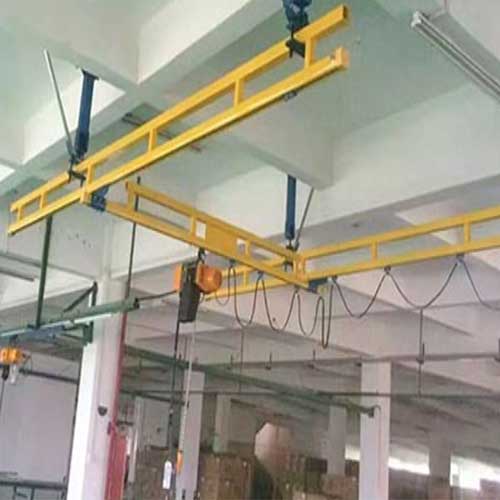
Choosing the Right Ceiling Crane for Your Facility 500 to 3000kg
Ceiling crane guide for buyers to make informed decisions to get most suitable ceiling crane system for their facility on capacity, sizes & environment.
| Crane Type | Ceiling Mounted Crane System Including KBK Workstation Crane, Underhung Bridge Crane, Monorail Crane, and Lightweight Ceiling Crane with Electric Chain Hoist / Wire Rope Hoist, ISO A3–A5 / FEM 1Am–3M. |
| Crane Capacity | 500–3000 kg (Common: 500 kg, 1000 kg, 2000 kg, 3000 kg) |
| Span Length | 3–15 m (Common: 5 m, 8 m, 10 m, 12 m) |
| Lifting Height | 2–8 m (Common: 3 m, 4 m, 6 m) |
| Coverage Area Type | Designed for ceiling-mounted lifting areas, production cells, assembly stations, and compact indoor workspaces where floor space optimization is required. |
| Application | Used for workstation lifting, assembly lines, machine loading/unloading, maintenance, production handling, and ergonomic material transfer in factories, workshops, and limited-space facilities. |
| Certifications | CE / ISO / SGS / Other third-party inspection |
| Customization | Single/double girder, chain/wire rope hoist, manual/VFD travel, pendant/remote/PLC control, ceiling/free-standing installation, straight/curved runway, special environment solutions, custom lifting tools, and optional CeiliX system. |
Crane Manufacturer: Yuantai Cranes – 30+ Years Professional Crane Manufacturer from China
Category: Ceiling Mounted Crane
Tags: ceilingcrane,cranesystem
Your Trusted Ceiling Mounted Crane Manufacturer & Supplier
Choosing the Right Ceiling Crane for Your Facility 500 to 3000kg
Ceiling crane guide for buyers to make informed decisions to get most suitable ceiling crane system for their facility on capacity, sizes & environment.
Choosing the Right Ceiling Crane for Your Facility
Ceiling crane guide for buyers to make informed decisions to get most suitable ceiling crane system for their facility, including load capacity, span length, and environmental considerations to assist crane buyers in understanding the critical factors that influence the selection of the most suitable ceiling crane system for their facility.
Ceiling cranes, often referred to as overhead cranes, represent an integral part of material handling solutions in various industrial settings. These mechanical devices play a pivotal role in lifting, moving, and positioning heavy loads within a facility. Their significance lies not only in their ability to streamline operations but also in their capacity to enhance workplace safety and efficiency.
Definition of Ceiling Cranes
Ceiling cranes are mechanical systems mounted on the ceiling structure of a building or facility. They consist of a hoist, trolley, bridge, and runway system, allowing for the movement of heavy materials or equipment horizontally and vertically within the specified working are These cranes are categorized into different types such as bridge cranes, jib cranes, and gantry cranes, each designed for specific applications and load capacities.
Importance of Ceiling Cranes in Industrial Settings
In industrial environments, the significance of ceiling cranes cannot be overstateThey serve as indispensable tools for material handling, contributing significantly to operational efficiency and productivity. These cranes facilitate the lifting and movement of heavy items that would otherwise be impractical or impossible to handle manually.
Ceiling cranes play a crucial role in various sectors including manufacturing, construction, warehouses, and logistics, supporting processes such as assembly, loading/unloading, maintenance, and more. Their presence streamlines workflow, reduces manual labor, and minimizes the risk of workplace accidents associated with manual material handling.
Overview of Ceiling Crane Systems
Ceiling crane systems are composed of intricate components that work synergistically to ensure effective material handling operations. These components include the hoist mechanism responsible for lifting, the bridge carrying the hoist and trolley, the trolley for horizontal movement, and the runway system providing support and guidance for crane movement.
The versatility of ceiling crane systems lies in their adaptability to various load capacities, spatial constraints, and specific operational needs. Understanding these systems and their functionalities is paramount in making informed decisions regarding the selection of the most suitable crane for a particular facility.
Ceiling Crane Systems
Ceiling crane systems are diverse and adaptable, tailored to suit specific operational needs across various industries. Understanding the types of ceiling cranes and their key components is fundamental in comprehending their functionality and choosing the most appropriate system for a facility.
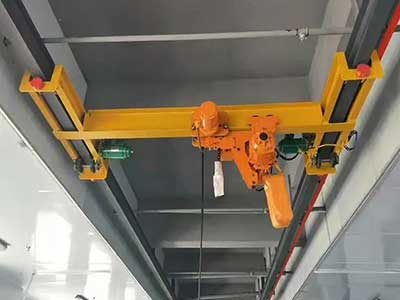
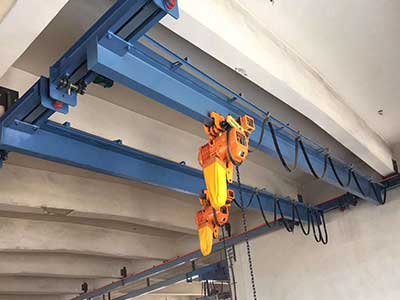
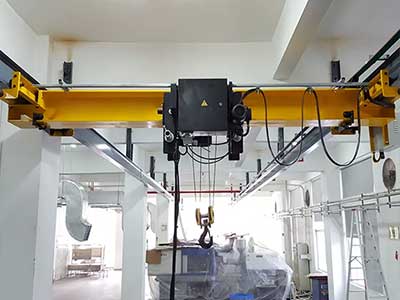
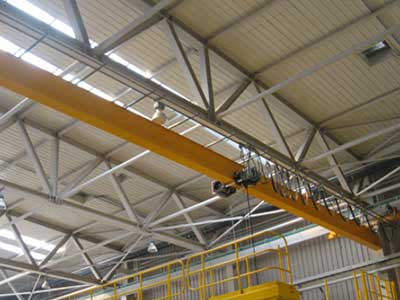
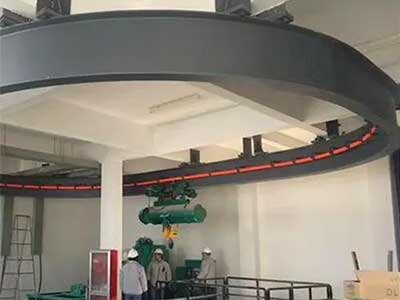
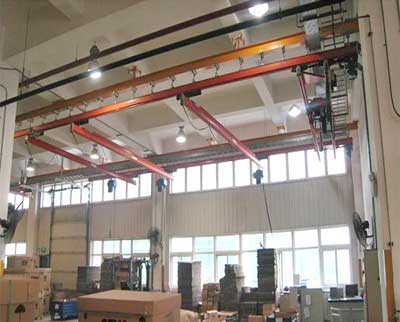
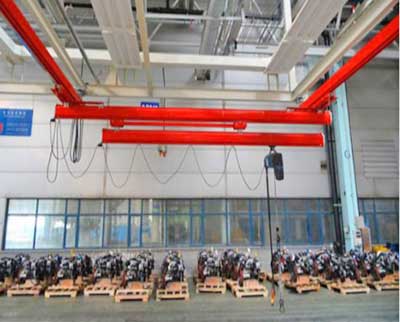
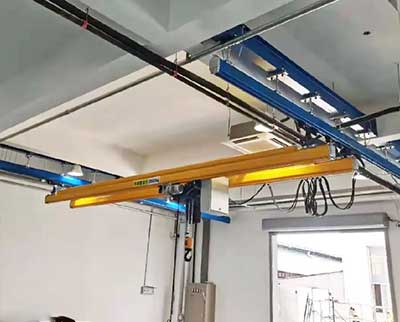
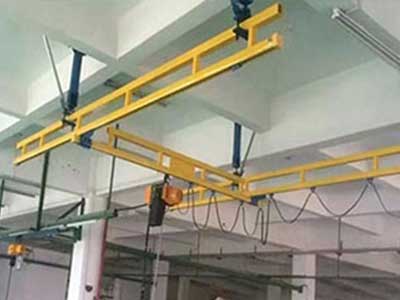
Curved monorail ceiling mounted crane
Components of Ceiling Crane Systems
- Hoist Mechanism: The hoist mechanism is the core component responsible for lifting and lowering heavy loads. It consists of a motor, drum or chain, lifting hook, and load-bearing cables. Various hoist types, such as wire rope hoists or chain hoists, cater to different load capacities and operational requirements.
- Runway System: The runway system comprises a track or rail structure installed along the ceiling, providing support and guidance for the movement of the crane. It ensures smooth and precise traversal of the crane along the designated path, maintaining stability and safety during operations.
- 3. Controls and Automation: Modern ceiling crane systems often incorporate advanced control systems and automation, including remote control operation, variable speed controls, and safety features such as collision avoidance and overload protection. These elements enhance precision, efficiency, and safety in crane operations.
Understanding the nuances and functionalities of various ceiling crane types and their integral components lays the groundwork for making informed decisions when selecting the most suitable crane system for specific operational requirements within a facility.
Factors Influencing Ceiling Crane Selection
Load Capacity Considerations
- Weight of Materials to be Lifted: Determining the weight of materials or loads that the ceiling crane will handle is pivotal. Assessing the heaviest load and average loads to be lifted aids in choosing a crane with an appropriate load capacity. This consideration ensures the crane can safely manage the required weights without straining or compromising safety.
- Maximum Load Requirements: Understanding the maximum load requirements is essential. It involves considering occasional heavy lifts that the crane might encounter. Opting for a ceiling crane with a slightly higher load capacity than the typical workload ensures flexibility and safety in handling heavier loads when necessary.
Span Length and Working Area
- Span of Coverage Needed: Assessing the required span or coverage area is crucial. It involves determining the distance the crane needs to cover to effectively handle materials across the workspace. Choosing a crane with an appropriate span ensures that the entire work area is covered without limitations, optimizing material handling efficiency.
- Work Area Dimensions and Layout: Evaluating the dimensions and layout of the work area aids in selecting a crane system that seamlessly integrates with the facility's layout. Factors such as ceiling height, floor layout, obstructions, and workflow patterns are critical. It ensures the crane's movement is unobstructed, optimizing operational efficiency and safety.
Understanding load capacity requirements and assessing the span length and working area dimensions form the foundational aspects in choosing the right ceiling crane system. These considerations lay the groundwork for selecting a system that aligns with the facility's specific material handling needs and operational constraints.
Environmental Considerations
- Facility Conditions (Temperature, Humidity): Understanding the environmental conditions within the facility is crucial. For instance, in environments with extreme temperatures or high humidity, selecting a crane with suitable protective coatings or features that resist corrosion or damage due to environmental factors is essential. This ensures longevity and optimal performance of the crane system.
- Corrosive Elements or Hazardous Areas: Facilities dealing with corrosive elements or hazardous materials require specialized crane systems. Considering factors such as exposure to chemicals, fumes, or explosive atmospheres helps in selecting cranes with specific material coatings, explosion-proof features, or certifications to ensure safe operations.
Usage Frequency and Operational Demands
- Intensity of Crane Usage: Assessing the frequency and intensity of crane usage is pivotal. Facilities with continuous, heavy-duty operations require robust crane systems designed for high-frequency usage. Conversely, intermittent or light-duty applications may benefit from smaller, less complex crane systems tailored to their usage patterns.
- Operational Conditions (Continuous vs. Intermittent Use): Determining whether the crane will operate continuously or intermittently is critical. Continuous usage requires cranes designed for durability, reliability, and minimal downtime. For intermittent use, the focus might shift towards cost-effectiveness without compromising safety and efficiency.
Considering environmental factors and operational demands is crucial in ensuring the ceiling crane system's suitability for the facility's specific conditions and usage patterns. These considerations help in choosing a crane that not only meets operational needs but also operates optimally within the facility's environment.
Customization and Adaptability
Modular Design and Flexibility
- Customization Options for Specific Needs: Ceiling crane systems often offer modular designs with customizable features to accommodate specific operational needs. Options such as adjustable spans, variable hoist speeds, and specialized attachments allow customization to match unique requirements, ensuring optimal performance.
- Ability to Expand or Modify the System: The ability to expand or modify the crane system over time is advantageous. Selecting a crane system that allows for future upgrades, such as increasing load capacity or extending coverage area, ensures adaptability to evolving operational demands without requiring an entirely new system.
Adaptability to Workspace
- Integration with Existing Structures: The adaptability of a crane system to integrate seamlessly with existing structures is crucial. Whether it's mounting to existing building columns or integrating with production machinery, a crane system that fits harmoniously within the workspace minimizes disruptions and optimizes efficiency.
- Compatibility with Facility Layout: Choosing a crane system compatible with the facility's layout enhances operational efficiency. Systems designed to navigate around obstacles, utilizing space effectively, and accommodating workflow patterns ensure smoother material handling operations within the workspace.
The ability of a ceiling crane system to offer customization, flexibility, and seamless integration within the workspace is pivotal. Understanding these aspects aids in selecting a system that not only meets immediate needs but also allows adaptability to future changes or expansions within the facility.
Cost Considerations and Return on Investment
Initial Investment vs. Long-Term Benefits
- Upfront Costs vs. Operational Efficiency: Balancing upfront costs with long-term operational efficiency is crucial. While initial investments in high-quality crane systems might seem substantial, they often provide superior performance, increased reliability, and reduced maintenance costs over their lifespan, offering better value for money.
- Calculating ROI for Different Crane Options: Assessing the return on investment (ROI) for various crane options is essential. It involves evaluating the benefits accrued from improved efficiency, reduced downtime, and enhanced safety against the initial capital investment. Understanding the long-term savings and productivity gains aids in making informed decisions.
Maintenance and Operating Costs
- Routine Maintenance Expenses: Evaluating routine maintenance costs is vital in understanding the long-term financial implications. High-quality crane systems might incur lower maintenance costs due to better durability and reliability. Assessing these costs aids in estimating the total cost of ownership over the crane's lifecycle.
- Energy Consumption and Efficiency: Considering energy consumption and efficiency contributes to overall operating costs. Opting for energy-efficient systems that minimize power consumption or incorporate features such as regenerative braking can lead to reduced operational expenses, contributing to long-term savings.
Understanding the comprehensive costs associated with ceiling crane systems, including initial investments, maintenance expenses, and energy consumption, is pivotal in making informed decisions. Balancing upfront costs with long-term benefits and operational efficiency ensures a judicious investment that aligns with the facility's financial objectives.
Safety and Compliance
Safety Features and Compliance Standards
- Safety Mechanisms in Crane Systems: Ceiling crane systems are equipped with various safety features ensuring safe operations. These include overload protection, emergency stop buttons, limit switches, and collision avoidance systems. Understanding and verifying the presence of these safety mechanisms in the crane systems is critical for accident prevention.
- Adherence to Industry Standards and Regulations: Ensuring compliance with industry standards and regulations is paramount. Ceiling cranes must meet specified safety standards and certifications set forth by regulatory bodies. Verifying compliance ensures that the crane systems adhere to safety norms, reducing the risk of accidents and ensuring a safe working environment.
Operator Training and Safety Protocols
- Importance of Proper Training: Adequate training for crane operators is essential. Properly trained operators understand safety procedures, equipment limitations, and best practices for safe crane operation. Training programs help minimize risks, accidents, and equipment damage due to improper use.
- Safety Protocols for Crane Operations: Implementing and following stringent safety protocols during crane operations is imperative. Establishing safety guidelines, conducting regular safety inspections, and promoting a safety-oriented culture within the workplace ensures adherence to safety protocols, mitigating potential hazards.
Prioritizing safety features, adherence to compliance standards, and robust operator training protocols is paramount in ceiling crane system selection. Ensuring the presence of safety mechanisms and promoting a safety-centric work environment mitigates risks and fosters a secure working environment.
Consultation and Decision-making Process
Seeking Expert Advice
- Consulting with Crane Manufacturers or Experts: Engaging with crane manufacturers or industry experts provides invaluable insights. These professionals possess comprehensive knowledge about various crane systems, their capabilities, and suitability for different operational requirements. Seeking their advice helps in understanding available options and making informed decisions.
- Site Surveys and Assessments: Conducting site surveys and assessments is crucial for tailored recommendations. Manufacturers or experts often perform thorough assessments of the facility, analyzing structural considerations, spatial constraints, and operational needs. These assessments aid in recommending the most suitable crane system for the facility.
Decision-making Process
- Evaluating Proposals and Specifications: Evaluating proposals and specifications from different manufacturers allows for a comparative analysis. Assessing factors such as technical specifications, customization options, compliance with safety standards, and after-sales support aids in narrowing down options.
- Making an Informed Decision: Making an informed decision involves considering all gathered information, including expert advice, site assessments, and proposal evaluations. Opting for a crane system that aligns with the facility's specific needs, budget constraints, safety features, and long-term requirements ensures a judicious investment.
Seeking expert advice, conducting site assessments, and a meticulous decision-making process based on thorough evaluations are crucial steps in selecting the most suitable ceiling crane system for a facility. These steps empower decision-makers to make informed choices aligned with their operational needs and long-term objectives.
Conclusion
Selecting the right ceiling crane system for your facility is a multifaceted decision that necessitates a comprehensive understanding of various critical factors. Throughout this guide, we've explored pivotal aspects influencing the selection process, empowering readers to make informed decisions aligned with their operational needs.
From load capacity considerations, environmental factors, and adaptability to workspace layout to cost evaluations, safety features, and the decision-making process – each factor plays a pivotal role in the selection of a suitable ceiling crane system. Understanding these factors ensures a holistic approach to crane selection, addressing specific needs and enhancing operational efficiency.
The significance of informed decision-making in ceiling crane selection cannot be overstateBy considering factors such as load capacity, environmental conditions, safety features, and long-term costs, readers are equipped to navigate through the complexities of crane selection, ensuring an investment that aligns with their facility's unique requirements.
As readers embark on the journey of selecting a ceiling crane system, we encourage prioritizing operational needs. Customizing crane systems to suit specific operational demands, ensuring compliance with safety standards, and fostering a safety-oriented work culture are pivotal for a seamless integration of the crane system within the facility.
In conclusion, selecting the right ceiling crane system involves a meticulous evaluation of numerous critical factors, emphasizing the importance of thorough research, expert consultation, and a comprehensive understanding of operational requirements.

Yuantai Cranes
Overhead Crane Manufacturer with CE, ISO, SGS, CNEX Certificates.
- Main Specifications - Capacity: 0.5–550 tons | Span: up to 40m | Speed: 0.8–12 m/min | Duty: A3–A7 | Power: 380–690V, 50/60Hz | Control: pendant/remote/cabin
- Full engineering: FEA/PLC/VFD + in-house build + global delivery + on-site support, for workshops, factories, EPC contractors, industrial projects, etc.
- Support: design, manufacturing, testing, service – end-to-end, customized lifting solutions worldwide.
How to Get an Accurate Crane Price for Your Application?
Tips: Copy the spec list, fill in your details, and paste it into the form on the right/ down-below for a quick price.
- Crane type:_____ . (e.g., overhead crane, gantry crane, jib crane)
- Max weight to lift:_____ tons. (e.g., 2t, 5t, 10t, 20t, 50t)
- Lifting height:_____ m. (How high does the hook need to reach?
- Workshop width (span):_____ m . (Distance between the two crane rails)
- Travel distance:_____ m . (How long does the crane need to move along the runway?)
- Control type:_____. (Pendant / remote / cabin Control)
- Power supply:_____. (Local voltage & frequency – e.g., 380V, 50Hz, 3-phase)
- What will it be used for?_____ (e.g., steel fabrication, concrete products, mold handling, general manufacturing, etc.)
- Any special requirements?_____ (e.g., extreme temperature, dusty or explosive environment, special paint color, etc.)
Just leave a message via the contact form and our hoist and crane engineer will contact you with in 24working hours.
Get Your Custom Quote–Quick & Easy
Fill in what you know. Skip what you don't – we'll help.Any question will be reply with 24 working hours