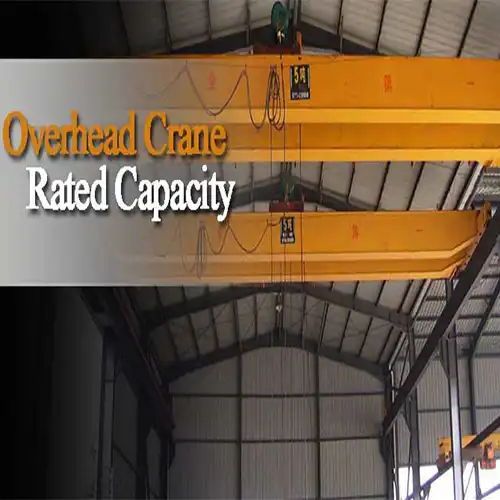
How to Determine the Right Overhead Crane Capacity
Consider load weight, span, lift height, duty cycle, and environment to choose the optimal overhead crane capacity for your needs.
| Crane Type | Overhead Cranes, including Single Girder (1–20 t), Double Girder (20–550 t), Underhung, Top Running, Explosion-Proof, Magnetic and Gantry configurations; Working Duty: ISO A3–A8; Power Supply: 380/400/415 V, 3 Ph, 50 Hz |
| Crane Capacity | 1–550 t, selected according to maximum load, load frequency, below-hook equipment and operating conditions |
| Span Length | 7.5–35 m+, customized according to building width, runway arrangement and load requirements |
| Lifting Height | 6–30 m+, customized according to building height, hook approach and lifting requirements |
| Coverage Area Type | Workshops, factories, warehouses, production lines, maintenance bays, outdoor yards and specialized industrial facilities |
| Application | Material handling, lifting, positioning, assembly, maintenance, loading/unloading, production and industrial manufacturing |
| Certifications | CE / ISO / SGS / Other third-party inspection |
| Customization | 1–20 t Single Girder; 20–550 t Double Girder · ISO A3–A8 · Span: 7.5–35 m+ · Lift: 6–30 m+ · Control: Pendant / Radio Remote / Cabin · General / Outdoor / Hazardous / High-Temperature / Corrosive · Attachments: Hook / Beam / Spreader / C-Hook / Grab / Cla |
Crane Manufacturer: Yuantai Cranes – 30+ Years Professional Crane Manufacturer from China
Category: Featured
Tags:
Your Trusted Overhead Crane Manufacturer & Supplier
How to Determine the Right Overhead Crane Capacity
Key Factors You Must Consider
Consider load weight, frequency, safety margin, and environmental factors when determining the ideal overhead crane capacity for your needs.
When it comes to overhead cranes, choosing the right crane capacity is crucial. If the crane is undersized, it can't handle the loads safely, leading to potential breakdowns or accidents. On the other hand, choosing a crane with too high a capacity may cost you more in the long run without adding any real benefits.
To get it right, you need to consider several key factors. These will help you determine the perfect crane capacity for your needs, ensuring safe operation and long-term efficiency. Here's what you need to keep in mind:
- Load Weight: The average weight of the materials you plan to lift.
- Frequently Handled Load Weight: The weight of the loads you lift the most often.
- Maximum Load Weight: The heaviest load your crane will ever need to lift.
- Safety Margin: A buffer above the maximum load to ensure safety.
- Working Frequency: How often the crane will be in use.
- Below Hook Weight: The weight of the hook and other accessories.
These factors will guide you in choosing a crane that fits your operations perfectly, balancing both safety and cost. Let's dive into each of these factors in detail.
Key Factors to Confirm Your Overhead Crane Capacity
Load Weight
- Understanding the Typical Load Your Crane Will Handle
Before choosing a crane, it's important to know the average weight of the materials or products you will lift. This helps ensure the crane is capable of safely handling these loads. If the load is too heavy for the crane, it can cause strain on the system, leading to damage or accidents. - The Importance of Accurate Load Weight Calculation for Safe Operations
Calculating the load weight precisely is key for safety. Even a small mistake can lead to overloading, which might cause operational issues or safety hazards. Always be sure to know both the average and maximum weight of the loads.
Frequently Handled Load Weight
- Identifying the Average Weight of Loads Frequently Lifted
Many operations lift the same types of loads on a regular basis. By identifying the average weight of these frequently handled loads, you can get a better sense of what crane capacity is needed for day-to-day operations. - Why Knowing the Typical Load Weight Is Crucial for Determining Crane Capacity
Knowing the typical load weight ensures you don't oversize the crane, which can lead to unnecessary costs. It also helps you avoid undersizing, which might risk damaging the crane or compromising safety. By choosing the right crane for the typical load, you ensure both efficiency and safety.
Maximum Load Weight
- Defining the Maximum Weight the Crane Will Ever Need to Lift
It's important to account for the heaviest load your crane might lift, even if it's not a frequent occurrence. This is your crane's "maximum load weight." Understanding this ensures the crane can handle any unexpected situations that require lifting heavy loads. - How the Maximum Load Affects Crane Selection and Safety Margins
Your crane should be selected based on this maximum load. Always add a safety margin to the crane's capacity to avoid stress on the crane's motor, lifting system, and overall structure. A crane that's too small for the maximum load could result in damage and potential safety hazards.
Safety Margin
- The Significance of Having a Safety Margin in Crane Capacity
A safety margin is an extra buffer added to the crane's rated capacity. This ensures the crane can handle unexpected weight fluctuations without exceeding its limits. - Standard Industry Recommendations for Safety Margin
The standard safety margin is usually around 25% more than the maximum load. For example, if the heaviest load your crane will lift is 10 tons, choose a crane with a 12.5-ton capacity to account for unforeseen stresses and keep operations safe.
Working Frequency
- Determining How Often the Crane Will Be Used and the Number of Lifts per Hour/Day
Understanding how often the crane will be used helps determine its durability and the wear it will experience. Cranes used more frequently need to be built to handle higher operational demands. - How Working Frequency Impacts Crane Selection for Durability and Efficiency
If your crane is going to be in constant use, you'll need a crane that can withstand frequent lifting without breaking down. For high-frequency work, consider a crane with extra features for durability, like higher-grade materials and stronger components. This ensures long-term efficiency and fewer maintenance issues.
Below Hook Weight
- Understanding the Weight of the Hook and Its Impact on Crane Capacity
The weight of the hook, sling, and other lifting accessories adds to the total weight being lifted. This weight needs to be included in the crane's capacity calculation. - How the Below-Hook Weight Affects the Lifting Load Calculation
While the load on the hook may be the primary focus, don't forget to include the weight of the hook and any other accessories when calculating the total load weight. If these aren't factored in, you might end up overloading the crane, leading to unsafe conditions. Make sure to add the below-hook weight to the load calculation for a more accurate crane capacity.
By understanding these key factors, you'll be able to determine the correct crane capacity that meets your operational needs while ensuring safety and efficiency. It's all about balance – choosing a crane that's just right for the job without being over or underpowered.
Calculating the Ideal Overhead Crane Capacity
Calculating the right overhead crane capacity is essential for safe and efficient operations. Here's a clear and structured way to help you determine the ideal crane capacity for your needs.
Step 1: Identify the Load Weight
- What to Do: Determine the average weight of the materials or products your crane will regularly handle.
- Why It Matters: Knowing the typical load ensures you don't pick a crane that's too small to handle these materials safely. Accurate load weight helps prevent overloading, which can cause system failure.
Step 2: Calculate Frequently Handled Load Weight
- What to Do: Identify the weight of the loads you lift most often.
- Why It Matters: Knowing this helps in selecting a crane that's efficient for everyday tasks without oversizing. A correctly sized crane reduces unnecessary costs while maintaining safety.
Step 3: Account for Maximum Load Weight
- What to Do: Determine the heaviest load your crane will ever lift, even if it's not frequent.
- Why It Matters: The crane must be able to handle the maximum weight to ensure safe operation during peak load conditions. This figure is critical for crane selection and setting safety parameters.
Step 4: Add a Safety Margin
- What to Do: Add a safety margin (typically 25%) to the maximum load weight.
- Why It Matters: A safety margin accounts for any unexpected load increases and reduces strain on the crane's components. For example, if the maximum load is 10 tons, choose a crane with a capacity of at least 12.5 tons.
Step 5: Consider Working Frequency
- What to Do: Assess how often the crane will be used, including the number of lifts per day or hour.
- Why It Matters: High-frequency lifting requires a crane built for durability. Frequent operations put more wear on the crane, so it should have the capacity to withstand constant use without breaking down.
Step 6: Include Below-Hook Weight
- What to Do: Factor in the weight of the hook, slings, and lifting accessories.
- Why It Matters: The total weight being lifted includes not only the load but also the weight of the lifting accessories. Ignoring this extra weight could lead to overloading the crane. Be sure to include these components in the total capacity calculation.
Step 7: Final Crane Capacity Calculation
How to Calculate:
- Maximum Load Weight: 10 tons
- Safety Margin (25%): 2.5 tons
- Below-Hook Weight: 0.5 tons
- Total Capacity Required = 10 tons + 2.5 tons + 0.5 tons = 13 tons
Adjusting Crane Capacity for Special Conditions
When selecting an overhead crane, special operating conditions and custom lifting needs may require adjustments to the crane's capacity. These adjustments help ensure the crane performs safely and effectively under unique or demanding conditions. Here's a deeper look at how to factor these conditions into your crane capacity calculation:
Environmental Conditions
How Environment Affects Crane Performance
- High Temperatures: Extreme heat can weaken crane materials and reduce their effectiveness. In environments where temperatures exceed normal ranges, components like the crane structure, electrical systems, and lifting mechanisms may face additional stress.
Adjustment: Choose materials that are resistant to heat and consider cranes with higher load capacities to withstand the strain. Also, ensure that lubrication and cooling systems are up to the task.
- Dust or Humidity: Dust and moisture can affect the crane's mechanical parts, leading to faster wear and potential failures. In industries such as mining, construction, or chemical handling, where dust and humidity are common, these factors should be accounted for.
Adjustment: Select a crane that is sealed or equipped with protective covers to prevent dust and moisture from damaging the electrical systems and motors. You may also need to opt for higher-rated cranes with better sealing and weatherproofing.
When operating in harsh environments, it's not just about the load itself, but how the crane components will hold up under specific conditions. A crane designed for a normal environment might struggle with the additional wear from harsh conditions, requiring you to choose a crane with additional capacity to handle the long-term stress.
Dynamic Loads or Lifting at Heights
How Dynamic Loads Affect Crane Capacity
- Lifting at Heights: When a crane lifts loads at higher elevations, there is added complexity due to the increased forces acting on the load and the crane. The higher the load is lifted, the more strain is placed on the crane's lifting components.
Adjustment: Cranes designed to lift loads at heights must have the capacity to manage the increased force. This includes adjusting the lifting mechanisms and ensuring the crane has enough lifting power to handle the dynamic load.
- Dynamic Load Handling: Lifting loads that are unstable, such as swinging or moving objects, creates dynamic forces that can put additional strain on the crane. These forces can affect the stability of the crane and cause accidents if not properly accounted for.
Adjustment: To deal with dynamic loads, you may need to adjust the crane's lifting capacity. This could mean opting for a more robust model designed for heavy, fluctuating loads, with additional safety measures to absorb dynamic forces.
When lifting at heights or handling dynamic loads, the crane should have an increased capacity to accommodate the added forces. Ensure that the crane is equipped with safety features such as load dampening or anti-sway systems.
Custom Lifting Applications
When Custom Accessories Are Needed
- Irregular Loads: Some applications require the lifting of non-standard or irregularly shaped objects, such as large machinery or oversized materials. These types of loads often need special lifting equipment such as spreader beams, slings, or custom hooks.
Adjustment: If your crane is regularly used to handle custom or irregular loads, consider incorporating the weight of these accessories into your crane capacity calculation. Lifting accessories, such as spreader beams or lifting slings, can add significant weight and may need to be factored into the crane's total load capacity.
- Precise Lifting Needs: Certain tasks, like lifting fragile equipment or materials, require more precision and specialized handling. This could involve reducing the crane's capacity slightly to allow for better control and accuracy.
Adjustment: A crane designed for custom lifting needs should have the flexibility to handle different load shapes and sizes while maintaining its load-bearing capacity. Ensure that the lifting equipment you use is capable of supporting the irregular load without overloading the crane.
When using custom lifting equipment, the crane capacity should include the weight of any accessories. Furthermore, you may need to adjust the crane's lifting power to ensure it can handle the increased complexity of these custom tasks.
Multiple Lifting Points
Impact of Multiple Lifting Points on Crane Capacity
- Load Distribution: In some lifting operations, multiple lifting points are required. These are often used to evenly distribute the load across the crane to avoid strain on any one lifting point. For example, when lifting large equipment with multiple hooks or lifting points, the load is spread out, which helps reduce the stress on the crane.
Adjustment: When using multiple lifting points, you'll need to ensure that the crane capacity is sufficient to handle the total distributed load. Each lifting point must be capable of supporting a portion of the load, so it's important to ensure that each point is factored into the capacity calculation.
If the crane is frequently used with multiple lifting points, the load should be distributed accordingly. Ensure that the crane has enough capacity to manage these operations without overloading any single lifting point or risking imbalance.
High Working Frequency
Impact of High Working Frequency on Crane Capacity
- Frequent Use: Cranes used frequently in industrial settings or for continuous operations require more durable components to withstand constant strain. Frequent lifting increases wear on the crane, so it must be designed to handle repeated operations without failure.
Adjustment: When a crane is used frequently, it's important to select a model with a higher capacity and greater durability. A crane with a higher capacity will be able to handle the increased workload, reducing the risk of breakdowns and extending its service life.
- Extended Duty Cycles: Cranes with extended duty cycles (lifting frequently throughout the day) need components that can handle high stress over time. This includes components such as the motor, hoists, and cables.
Adjustment: Consider cranes designed for continuous use, such as those built for high-duty cycles or heavy-duty applications. Ensure the crane can handle continuous lifting without experiencing premature wear or failure.
For high-frequency operations, the crane should be built with enhanced durability and higher load-bearing capacity. It may need to be more powerful than initially planned to ensure long-term reliability and minimize downtime.
By adjusting the crane capacity based on these special conditions, you ensure that the crane can handle the unique demands of your specific operational environment. This approach helps you maintain safety, efficiency, and longevity in your crane's performance.
The Importance of Accurate Crane Capacity Selection
Selecting the right crane capacity is crucial for both safety and efficiency in your operations. A poorly selected crane can lead to safety risks, higher costs, and unnecessary wear and tear on the equipment. Here's why it's important to get it right:
Safety Implications of Choosing the Right Crane Capacity
Safety First
- Overloading Risks: Choosing a crane with insufficient capacity for the load can lead to overloading. This can cause structural failure, accidents, or even crane collapse, posing a significant safety risk to workers and equipment.
Consequence: Overloading can result in catastrophic failures, injury, or fatality. Ensuring that the crane has the correct capacity protects workers and minimizes risks.
- Stability Concerns: Cranes operating at or near their maximum capacity can become unstable, especially when lifting heavy or dynamic loads. This instability can compromise the safety of the lift and the entire operation.
Consequence: If the crane is not stable, there could be unintended swinging or tipping, putting both the crane and surrounding workers in danger.
Key Point: Choosing the right crane capacity ensures that the crane operates within safe limits, reducing the chances of accidents or failures.
Long-Term Cost-Efficiency and Operational Effectiveness
Avoiding Oversizing Costs
- Excessive Capacity: While it's important to have a crane with enough capacity, oversizing a crane can lead to unnecessary upfront costs and higher operational expenses. A larger crane will often have higher energy consumption and maintenance needs.
Consequence: If the crane is too large for your needs, you'll be paying for more capacity than you require, leading to higher initial costs and running costs.
- Operational Inefficiency: Cranes with too much capacity can be slower and less efficient when performing regular, lighter tasks. This can waste time and energy, ultimately increasing operational costs.
Consequence: Using a larger crane than necessary for small loads means that you're not using the equipment to its optimal performance capacity, leading to inefficiency.
Choosing a crane with the correct capacity allows you to maximize operational efficiency. It minimizes energy use, reduces wear, and speeds up the lifting process. It also ensures that you're not wasting time with overpowered equipment on light tasks, which could slow down operations.
Ensuring Optimal Performance and Reducing Wear and Tear
Minimizing Equipment Stress
- Optimal Use of Components: A correctly sized crane ensures that its components, like motors, cables, and hoists, operate within their ideal performance range. This reduces the stress placed on these parts and minimizes wear and tear.
Consequence: Overloading a crane or using it for tasks it wasn't designed for leads to premature wear, which increases the frequency of maintenance and the potential for breakdowns.
Extending Crane Lifespan
- Longer Equipment Life: By choosing the right crane capacity, you ensure that the equipment doesn't operate under excessive stress. This helps maintain the integrity of the crane's structural and mechanical components.
Consequence: A crane that is appropriately sized for its tasks will last longer, reducing the need for costly repairs or replacements.
Key Point: Selecting the right crane capacity allows for optimal use of the equipment, preventing overloading, reducing wear and tear, and extending the crane's lifespan. This ultimately leads to lower maintenance costs and better overall performance.
Accurate crane capacity selection is vital for maintaining a safe, cost-efficient, and operationally effective lifting environment. By avoiding overloading, minimizing unnecessary costs, and reducing equipment wear, you can ensure that your crane operates at its best for years to come.
Overhead Crane Capacity Ranges: Different Types and Their Uses
When selecting an overhead crane, it's crucial to understand the range of capacities available. Each type of crane is designed for specific uses, and its capacity is determined by factors like load requirements, span length, and environmental conditions. Below is a detailed look at the capacity ranges of different types of overhead cranes:
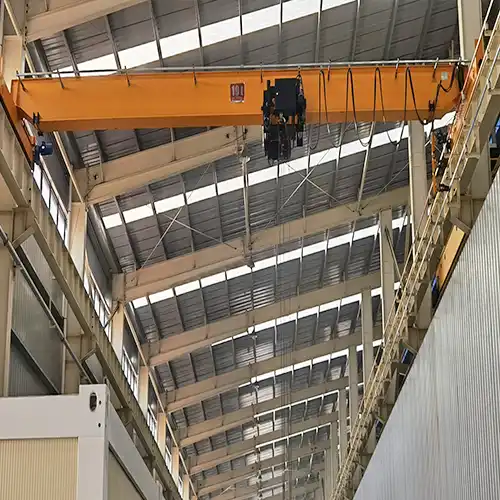
Single Girder Overhead Crane Capacity
Capacity Range:
- Light Duty: 1T – 20T
- Common Use: Smaller workshops, warehouses, and factories handling light to medium loads.
Features:
- Simple, cost-effective design.
- Lower lifting heights and smaller spans.

Double Girder Overhead Crane Capacity
Capacity Range:
- Medium Duty: 5T – 50T
- Heavy Duty: 50T – 100T+
- Common Use: Industrial settings like steel production, manufacturing plants, and heavy machinery handling.
Features:
- More stable, with the capacity to handle heavier loads.
- Suitable for larger spans and higher lifting heights.
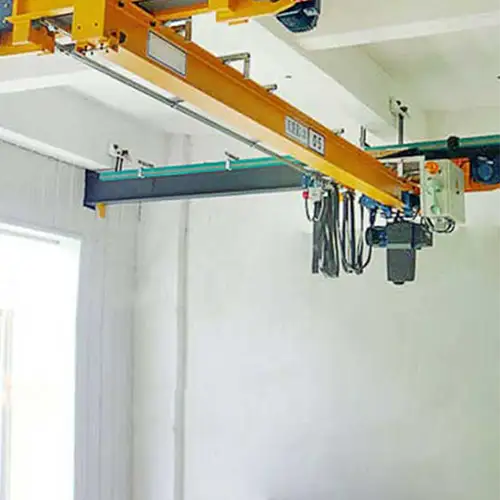
Underhung Overhead Crane Capacity
Capacity Range:
- Light Duty: 1T – 3T
- Medium Duty: 3T – 10T
- Common Use: Small workshops, assembly lines, or areas with limited headroom.
Features:
- Saves floor space by traveling along ceiling beams.
- More affordable and less complex compared to top-running cranes.
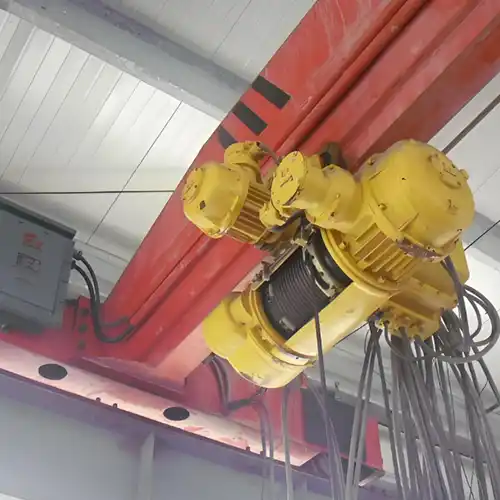
Explosion-Proof Overhead Crane Capacity
Capacity Range:
- Light Duty: 1T – 10T
- Medium Duty: 10T – 32T
- Heavy Duty: 32T – 50T+
- Common Use: Hazardous environments such as chemical plants, oil rigs, or mining operations.
Features:
- Designed to prevent sparks and ensure safety in explosive atmospheres.
- Customizable for different levels of protection.

Capacity Range:
- Light Duty: 5T – 20T
- Heavy Duty: 50T – 200T+
- Common Use: Outdoor environments like ports, shipyards, and construction sites.
Features:
- Moves over a wider area, thanks to its own support legs.
- Perfect for handling large and heavy loads, such as shipping containers and construction components.
Each type of overhead crane is designed with a specific capacity range to meet different lifting needs. The crane capacity you choose should be based on your load requirements, facility space, and the environment in which the crane will operate. Selecting the right crane ensures operational safety, efficiency, and longevity.
Conclusion
Key Points for Confirming Crane Capacity
When selecting the right overhead crane capacity, several key factors must be considered:
- Load Weight: Know the typical weight your crane will handle to determine the right lifting capacity.
- Frequently Handled Load Weight: Identify the average weight of loads lifted frequently to ensure the crane can handle repeated tasks efficiently.
- Maximum Load Weight: Consider the heaviest load the crane will lift in the future, as this defines the crane's maximum capacity.
- Safety Margin: Always include a safety margin (e.g., 25% above maximum load) to account for unexpected weight variations.
- Working Frequency: Understand how often the crane will be used, as higher frequencies may require cranes designed for continuous use.
- Below-Hook Weight: Take into account the weight of any lifting accessories, as these contribute to the overall load the crane must handle.
Adjustments for Special Conditions:
- Consider environmental factors (e.g., high temperatures, humidity) or dynamic loads to ensure the crane can perform optimally.
To ensure proper crane selection, here are some tips:
- Overestimate Load Capacity: It's better to choose a crane with slightly higher capacity than what is needed to provide a safety buffer.
- Frequency of Use: A crane that is used frequently may require more durable components to handle the stress of constant use.
- Consider Special Conditions: If lifting at heights, handling irregular loads, or working in hazardous environments, make necessary adjustments to the crane's capacity.
- Consult with Experts: Seek guidance from professionals or crane suppliers to make sure the crane matches your specific needs.
By following these guidelines, you can avoid overloading, reduce wear and tear, and ensure the crane operates efficiently and safely for years to come. Proper crane selection not only ensures safety but also improves productivity and lowers long-term operational costs.




Yuantai Cranes
Overhead Crane Manufacturer with CE, ISO, SGS, CNEX Certificates.
- Main Specifications - Capacity: 0.5–550 tons | Span: up to 40m | Speed: 0.8–12 m/min | Duty: A3–A7 | Power: 380–690V, 50/60Hz | Control: pendant/remote/cabin
- Full engineering: FEA/PLC/VFD + in-house build + global delivery + on-site support, for workshops, factories, EPC contractors, industrial projects, etc.
- Support: design, manufacturing, testing, service – end-to-end, customized lifting solutions worldwide.
How to Get an Accurate Crane Price for Your Application?
Tips: Copy the spec list, fill in your details, and paste it into the form on the right/ down-below for a quick price.
- Crane type:_____ . (e.g., overhead crane, gantry crane, jib crane)
- Max weight to lift:_____ tons. (e.g., 2t, 5t, 10t, 20t, 50t)
- Lifting height:_____ m. (How high does the hook need to reach?
- Workshop width (span):_____ m . (Distance between the two crane rails)
- Travel distance:_____ m . (How long does the crane need to move along the runway?)
- Control type:_____. (Pendant / remote / cabin Control)
- Power supply:_____. (Local voltage & frequency – e.g., 380V, 50Hz, 3-phase)
- What will it be used for?_____ (e.g., steel fabrication, concrete products, mold handling, general manufacturing, etc.)
- Any special requirements?_____ (e.g., extreme temperature, dusty or explosive environment, special paint color, etc.)
Just leave a message via the contact form and our hoist and crane engineer will contact you with in 24working hours.
Get Your Custom Quote–Quick & Easy
Fill in what you know. Skip what you don't – we'll help.Any question will be reply with 24 working hours